
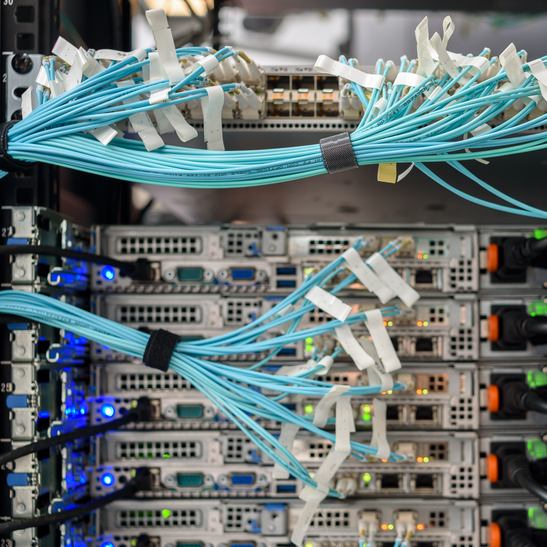
Fibre network installation in WA needs extensive planning because the state’s distances, climate and approval processes make late decisions expensive to fix. A forgotten part or an unchecked conduit can cost a return trip of several hundred kilometres, plus days of lost program.
Fibre network planning is the investigation and design work completed before any cable gets pulled. It settles routes, fibre types, core counts, termination points, approvals and test criteria, so the install crew turns up with the answers in hand.
What Makes WA Different for Fibre Projects
WA is different because it combines huge travel distances, extreme seasonal weather and slow approval pathways in a single state. Each one stretches the gap between a planning mistake and its fix.
On regional jobs, a forgotten part can mean a long drive or a freight wait. The common line in the trade is that WA rewards boring, thorough preparation.
Why Distance Makes Small Mistakes Expensive
Distance makes small mistakes expensive because every return trip to a regional WA site costs serious time and money. Karratha sits more than 1,500 km north of Perth by road, and many sites are hours past the nearest town. For those jobs, planning needs to cover logistics as thoroughly as the cable design:
- Materials lists get checked against the design twice, with extra splice protectors, pigtails and closure kits packed regardless.
- Freight to remote sites can take days longer than metro deliveries, and wet season road closures stretch that further.
- Crews travelling from Perth usually work fixed rotations, so a missed window can push work out by weeks.
- Backup fusion splicers and test gear travel with the crew, since one failed splicer can stall the whole trip.
- Accommodation and site inductions get booked as soon as dates firm up, as both fill fast on busy projects.
A common scenario involves closure kits arriving with the wrong splice trays. The crew can’t finish the joints, heads home at the end of the rotation and the job sits idle until the next trip. Checking closure components against the splice plan before dispatch prevents it.
Site Surveys Need to Capture Everything in One Visit
Regional site surveys need to capture everything in one visit, since every extra trip adds travel cost before any cable goes in. Gaps found later usually become variations. Surveyors on remote jobs typically add WA-specific checks to the standard list:
- Mobile or satellite coverage at the work front, for safety check-ins and remote support during splicing.
- Vehicle access to each pit and riser, including whether tracks stay usable after heavy rain.
- A shaded, dust-controlled spot near each joint location where splicing can be set up.
- Laydown space for cable drums, plus secure storage for gear left overnight.
- Who on site issues permits, isolations and access, and how much notice each one needs.
Survey timing matters as well. A survey done in the dry can miss drainage problems that only show up once the wet season arrives.
A thorough photo record with measurements carries a lot of weight. The design team needs enough detail to finish the drawings without ringing site for answers.
Weather Windows Set the Program
Weather sets the program because northern WA’s cyclone season and Perth’s summer heat both limit when fibre work can happen safely. Cyclone season in the north runs from November to April, and sites can lock down at short notice. Experienced planners build the schedule around these limits from day one:
- Trenching and pit work in northern WA gets booked into the dry season wherever possible.
- Exposed northern runs need UV-stabilised jackets and pits that can handle flooding and debris.
- Perth summer days above 40°C push splicing into shaded or air-conditioned vans and enclosures.
- Hot-weather rosters shift to early starts, which trims productive hours and needs factoring into labour estimates.
Heat causes subtler problems too. Dust and sweat are hard on fibre end faces, and one contaminated connector can blow a link’s loss budget on its own.
Seasoned splicing teams build cleaning and scope inspection into every termination. A dirty connector found after handover means another site visit, and on remote jobs that’s an expensive one.
Ground Conditions Vary More Than Drawings Suggest
Ground conditions shape underground routes because WA soils change sharply over short distances, and drawings rarely capture that. Coastal Perth sand makes trench walls unstable, which affects shoring and trench width. In the north, hard rock can force a switch from open trenching to rock sawing or boring.
The Swan Coastal Plain adds another complication. Limestone often sits beneath the sand in coastal suburbs, and a directional bore planned through sand can stall when it reaches it. A few test holes along the bore path confirm the ground before the rig gets booked.
Before You Dig Australia enquiries are standard, but the plans returned are indicative only. Most operators reckon potholing or non-destructive digging along the route is cheap insurance against hitting an unmarked service.
Rodents can damage unprotected cable in parts of the state. Outdoor and buried runs there often need rodent-resistant cable as well as water-blocked construction.
Frequently Asked Questions
How Early Should a Regional WA Fibre Project Start Planning?
Regional projects generally need planning to start well before the install date, often months ahead on larger jobs. Permits, freight, heritage due diligence and crew travel all carry their own lead times. The longest of these usually sets the earliest realistic start date.
Who Can Legally Install Fibre Cabling in WA?
Customer fibre cabling connected to a telecommunications network must be installed by an ACMA-registered cabler. The cabler also needs an optical fibre endorsement on their registration. These rules are national, so WA follows the same requirements as other states.
What Happens When Fibre Planning Gets Skipped?
Skipped planning usually shows up on pull day as blocked conduits, missing parts or permits that haven’t come through. Each one stands down a crew, and on remote sites that often means a return trip. Undefined test requirements can also force a full retest after handover.
Final Thoughts
WA fibre projects live or die on decisions made before the first drum leaves the depot. Distance, weather, ground conditions and approval timelines all magnify mistakes that’d barely register closer to Perth.
Thorough fibre network planning turns those risks into line items with dates and budgets attached. There’s no point throwing money at a fast install if the crew spends half the trip waiting on a permit or a part.