
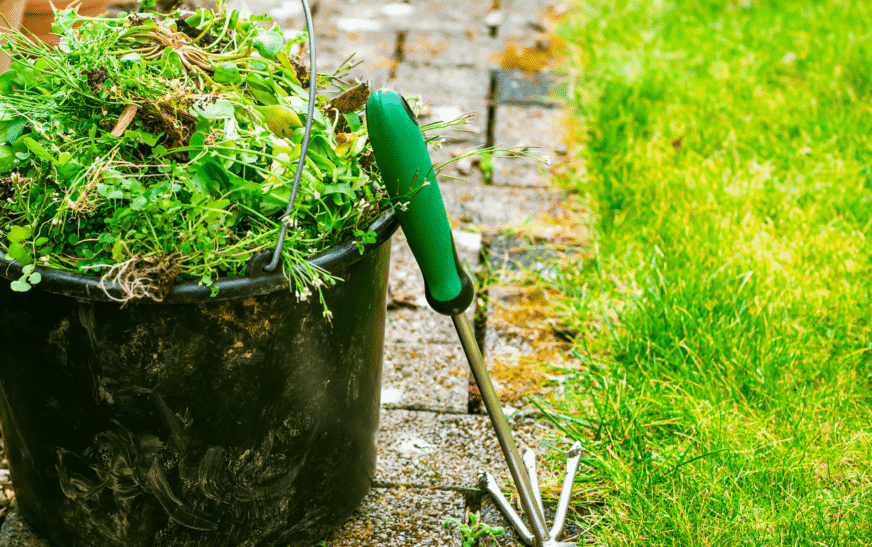
Why Lawns Look Dead When Spring Comes

Lawns often look completely destroyed when September rolls around in Australia. Many property managers start compiling a spring lawn checklist only to find brown patches everywhere across the yard. This happens because warm-season grasses naturally undergo winter dormancy. Winter dormancy is the natural biological state where turfgrass slows its metabolic
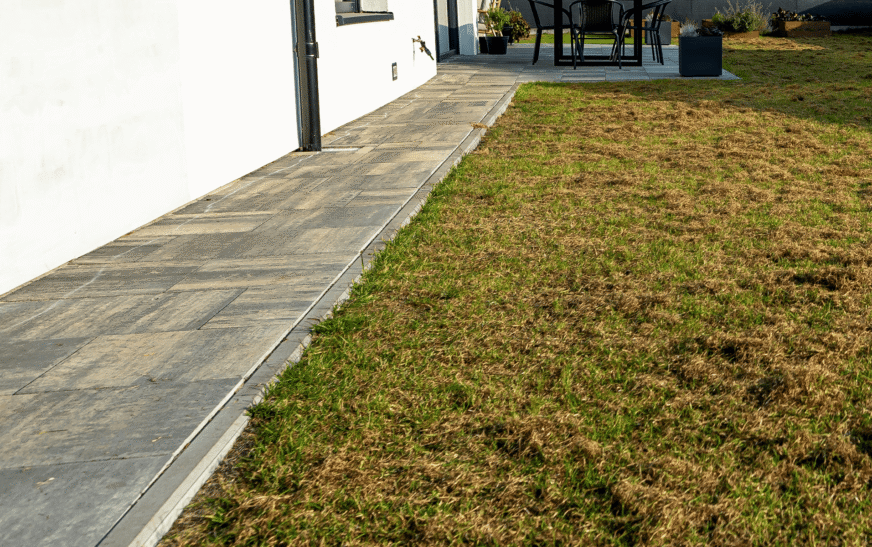
Why Spring Weeds are a Problem for Australian Lawns
Spring presents a massive biological shift in Australian soil. The ground warms up, daylight hours stretch out, and dormant seeds activate. Turf managers know this seasonal transition dictates the health of the turf for the next six months. A lawn that cops a hammering over July will struggle to recover
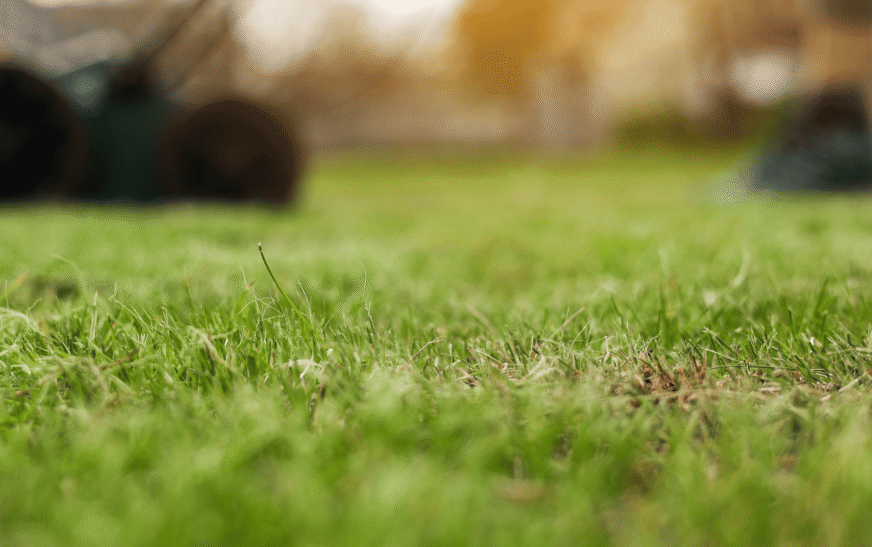
When to Aerate Your Lawn During Winter
Punching holes in completely dormant grass just invites weed seeds and frost damage. But lawn aerating during winter is still viable when soil temperatures remain above twelve degrees Celsius and the turf maintains a minimal growth rate. The practice requires precise timing to avoid tearing up root systems that can't
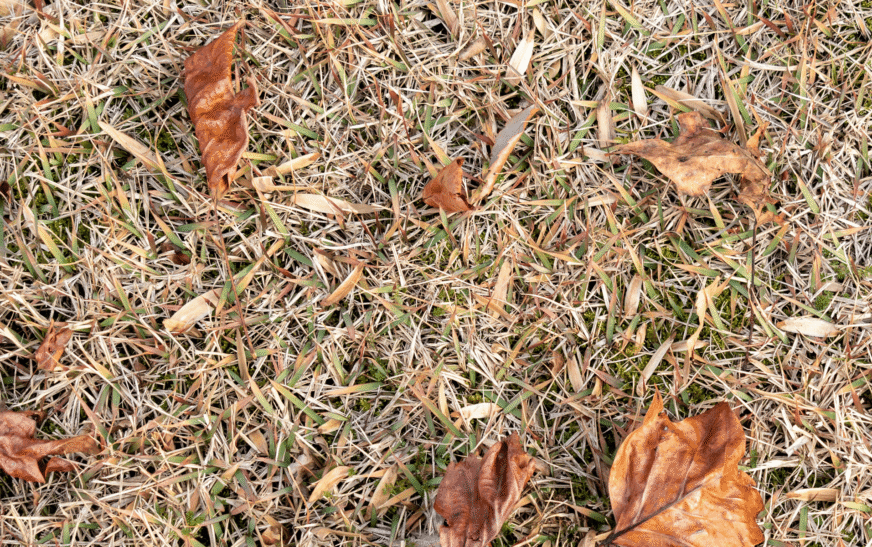
How You Know That Your Lawn is In Trouble
Property owners often misread the signals their turf sends. An off-colour yard doesn't always mean the grass is dying. Turf dormancy is simply a protective metabolic shutdown triggered by cold temperatures or prolonged drought. The grass suspends visible growth temporarily to survive extreme environmental stress.
Why Revive Your Lawn Instead of Replacing It
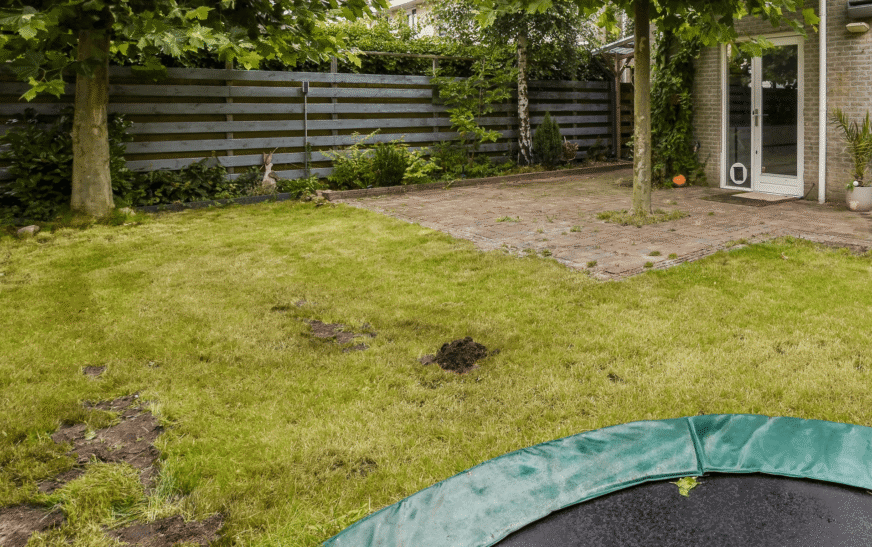
Reviving a degraded lawn saves thousands of dollars while capitalising on an established, drought-resilient root system. Property owners often assume a brown, patchy yard requires a complete tear-out. But tearing up an established yard is usually an expensive mistake. Good lawn care practices can force a heavily damaged patch to
Simplest Ways to Keep Lawns Alive During Winter
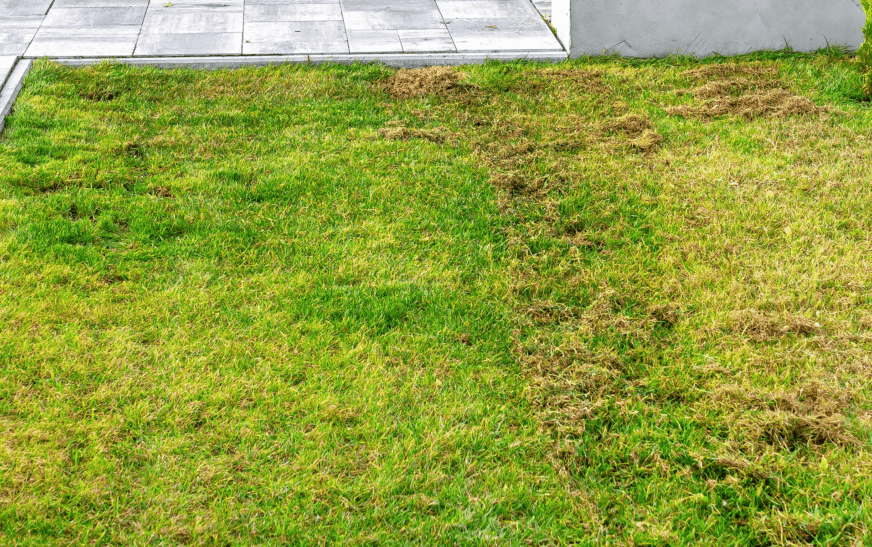
Grass enters a state known as winter dormancy, which is a biological survival mechanism where warm-season grasses shut down metabolic activity when soil temperatures drop below 14 degrees Celsius. The plant naturally loses its deep green colour. Winter lawn care focuses entirely on basic plant preservation rather than aggressive growth management.
How to Properly Conduct a Pre-Winter Lawn Inspection
Most operators reckon proper pre-winter lawn care dictates how a yard performs come spring. The transitional autumn period determines whether turf survives the frost. A common mistake involves treating autumn like a second spring. The physiological requirements of the plant change entirely as days get shorter.
Autumn Lawn Care Best Practices
Effective autumn lawn care shifts the focus from rapid leaf growth to building dense underground root reserves. Most trade professionals reckon the real work happens below the surface before cold weather sets in. Dealing with soil compaction early pays massive dividends down the track. Hard-packed dirt starves root systems of
What Does Low Maintenance Lawn Care Mean for Australians?
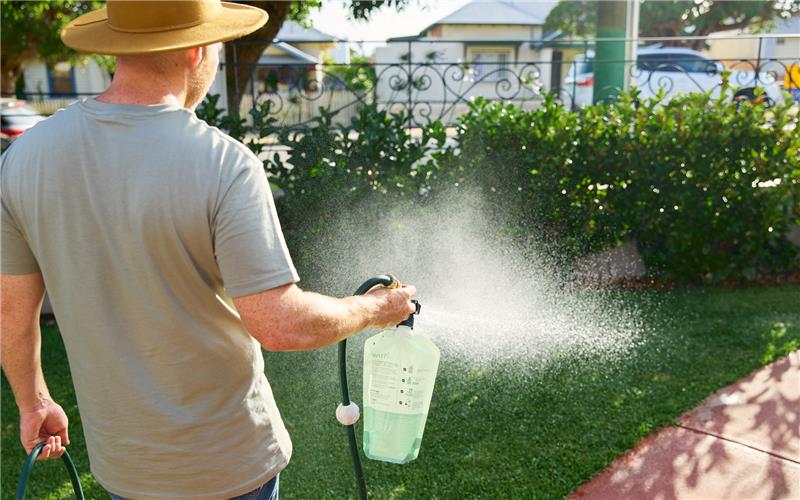
The phrase "low maintenance lawn care" gets thrown around a lot, but it means different things depending on who's saying it. For a homeowner in Oregon or Manchester, it might mean less mowing. In Australia, the reality is shaped by heat, water restrictions, variable soil types, and grass varieties that

What Does Organic Lawn Care Mean for Australian Lawns in Autumn?
Organic lawn care uses carbon-based inputs like humates and natural microbes to feed soil structure. This avoids pushing synthetic nitrogen directly into the grass plant. The transition between harsh Australian summers and cool winter dormancy presents a highly specific physiological window. Warm-season grasses like couch and buffalo begin shifting their