
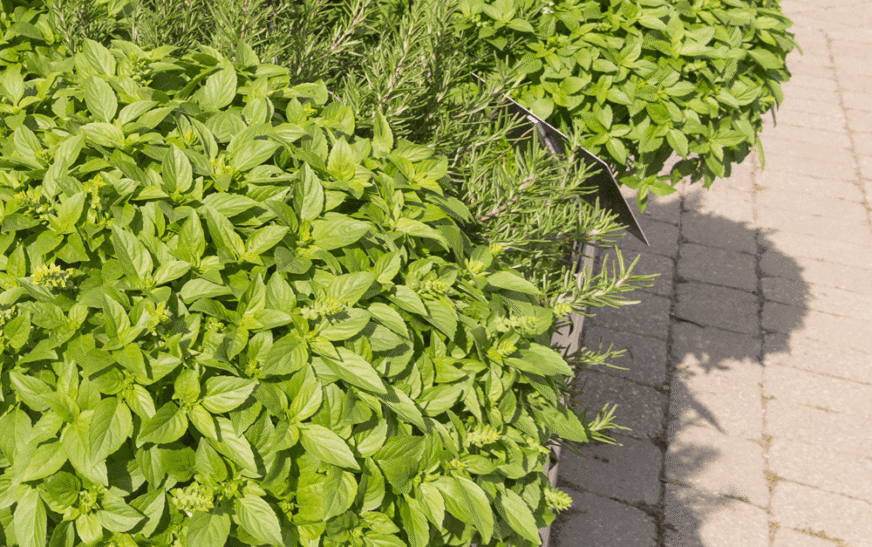
Outdoor planter boxes cop a hammering from the Australian climate all year round. Timber rots, corten steel bleeds rust stains across expensive paving, and concrete needs heavy machinery just to shift it an inch. The trade increasingly leans on custom metalwork to deliver site-specific planting solutions that don’t crack under pressure.
The Core Differences in Material Performance
Aluminium outperforms timber and steel by offering absolute rust resistance and zero susceptibility to fungal decay. Timber simply breaks down when subjected to constant soil moisture and fungal activity. Mild steel might look industrial, but it eventually flakes and loses structural integrity. Here’s what field experience shows regarding material failure rates across standard commercial sites.
- Hardwood timber typically shows signs of structural bowing and fastener fatigue within 36 to 48 months of constant soil exposure.
- Galvanised steel components will eventually succumb to zinc depletion, especially where soil pH levels sit below 6.5 for extended periods.
- Aluminium naturally forms a protective oxide layer that completely seals the metal away from corrosive elements.
There’s no point throwing money at timber boxes that need replacing every four years. Commercial jobs demand materials that outlast the initial warranty period. Many property owners find themselves constantly treating wood with chemical preservatives just to delay the inevitable rot. Water ingress always finds a way into timber joins, expanding and contracting until the fasteners pop out.
Managing Balcony Load Limits in High-Density Builds
Aluminium planter boxes keep overall balcony weight well below the strict dead load limits imposed by Australian building codes. High-density residential balconies usually have a strict live load capacity limit. Concrete planters easily exceed these limits once filled with wet soil and mature root balls. Here’s a comparison of typical weight distributions.
- A standard cubic metre of wet potting mix weighs around 1200 kilograms before factoring in the container weight itself.
- Empty concrete troughs can easily add another 400 kilograms per linear metre to the structural load of a balcony.
- A high-grade marine aluminium equivalent typically weighs less than 40 kilograms per linear metre depending on the sheet thickness.
Heavy installations risk compromising the structural slab over time. Moving concrete items around a penthouse terrace requires a crane, pushing installation costs through the roof. Aluminium offers a vastly lighter footprint for high-rise sites. The common line in the trade maintains that light weight solves half the installation problems before the truck even arrives.
Crane hire alone can obliterate a landscaping budget in a single afternoon. Specifying lighter materials ensures compliance with engineering certificates right from the initial planning stage.
The Advantage of Custom Metalwork in Tight Spaces
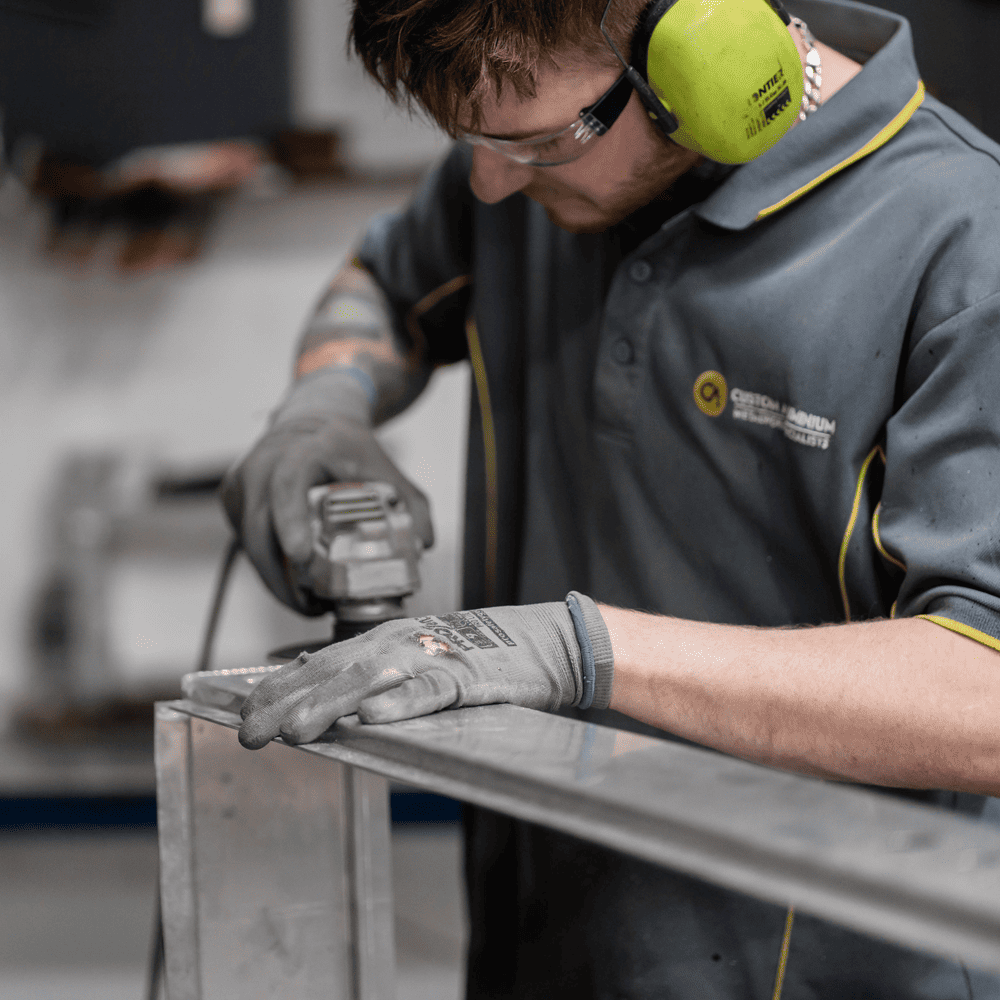
Fabricators use custom metalwork to build planters that perfectly match awkward site dimensions and tricky architectural angles. Off-the-shelf plastic or fibreglass pots rarely sit flush against angled retaining walls. Commercial landscapers rely on local manufacturing to work around existing plumbing, drainage grates, and structural columns. Custom fabrication ensures every millimetre of a tight site actually gets used effectively.
- Bespoke manufacturing allows for built-in drainage channels that direct water away from pedestrian zones and into proper sumps.
- Adjustable feet can be welded directly into the base structure to compensate for uneven paving or sloped concrete slabs.
- Integrated irrigation sleeves hide unsightly poly pipes within the walls of the unit itself to prevent tripping hazards.
A fabricator gets a proper crack at shaping the exact footprint required for odd-shaped courtyards. Tapered designs or curved frontages aren’t a problem with standard sheet folding techniques. Precision welding means the final product fits the site exactly as drawn on the architectural plans. There aren’t any nasty surprises or ugly gaps when the delivery finally arrives on site.
Powder Coating Standards for Coastal Areas
Commercial-grade powder coating bonds to aluminium to create a weather-resistant shell that withstands heavy UV exposure and salt spray. Raw metals degrade quickly when placed within five kilometres of the ocean due to airborne salt. A standard powder coat finish usually sits around 60 to 80 microns thick for general applications. High-end marine environments dictate a two-pack epoxy primer followed by a high-build topcoat.
This specific process prevents the finish from chalking, peeling, or fading under harsh sunlight. Turf professionals note that a properly pre-treated surface stops microscopic corrosion from creeping under the paintwork. Scratches won’t cause the surrounding paint to flake off in large patches. The result stays clean without needing constant repainting or oiling every summer.
A quick pressure wash easily restores the original finish without damaging the underlying metal structure.

Frequently Asked Questions
Do Aluminium Planter Boxes Get Too Hot for Plants?
While the metal surface heats up in direct sun, it cools down extremely fast once shaded. Installing foam insulation panels along the inside walls completely blocks this heat transfer. This simple addition keeps the internal soil temperature stable throughout extreme summer conditions.
How Do Maintenance Crews Clean Powder-Coated Aluminium Planters?
Regular cleaning only requires a quick wash with warm, soapy water and a soft cloth. Abrasive cleaners or harsh industrial solvents will permanently damage the protective powder-coated finish. Most maintenance crews simply wipe them down during regular window or pavement washing schedules.
Can Edible Plants Grow in Aluminium Boxes?
Yes, they provide an incredibly safe environment for growing a wide variety of herbs and deep-rooted vegetables. The metal doesn’t leach harmful chemicals or rust particles into the potting soil over time. Many high-end restaurants use these exact containers for their rooftop chef gardens.
Wrap-Up
The commercial landscaping sector relies heavily on materials that perform consistently under pressure. Aluminium brings a rare mix of extreme durability and total design flexibility without the weight penalty.
It completely bypasses the structural decay and aesthetic degradation associated with traditional planter materials. Specifying the right metal upfront stops endless maintenance cycles from eating into property management budgets down the line.