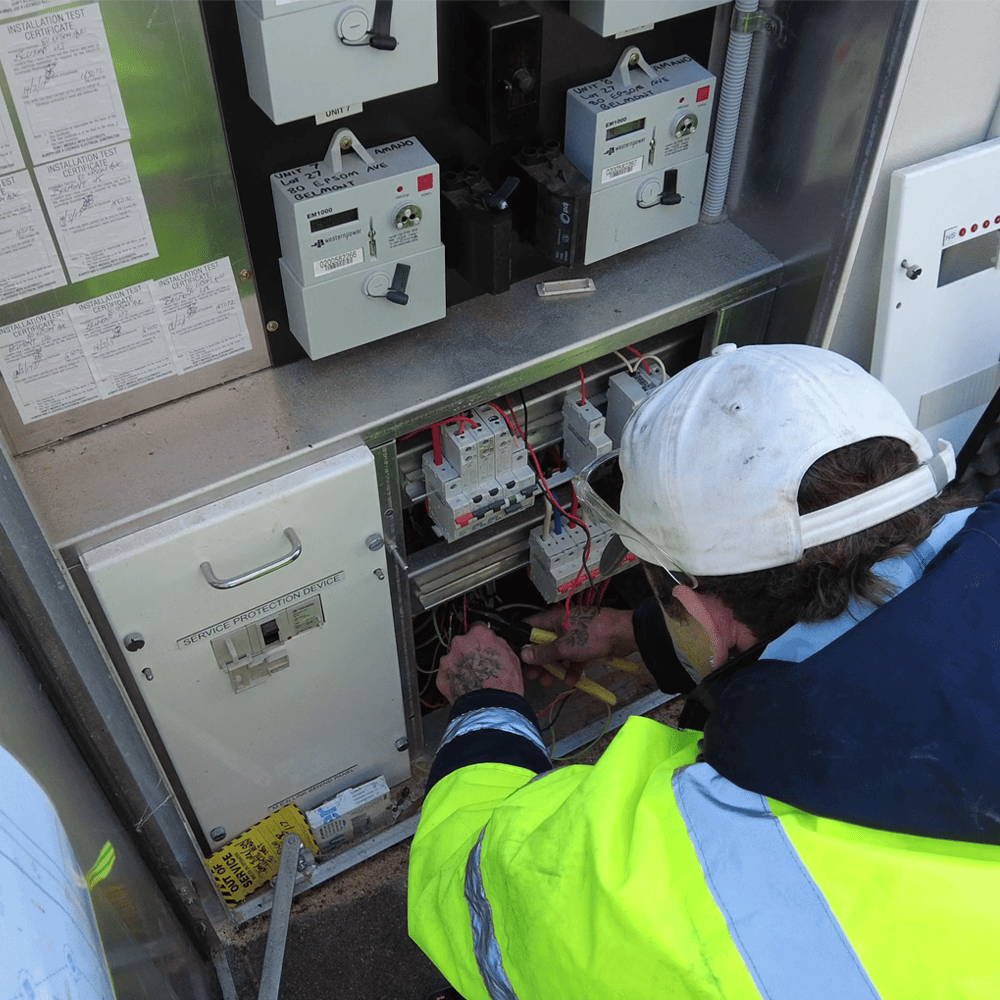

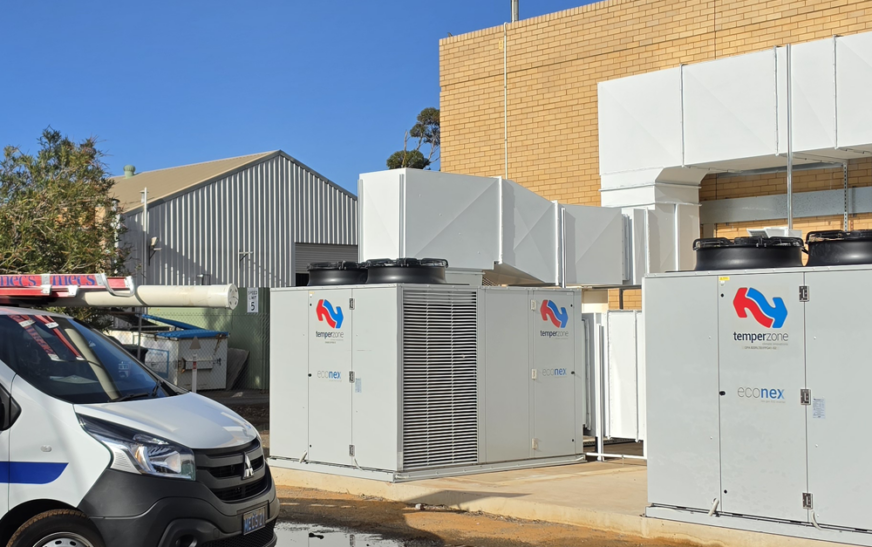
A mechanical switchboard acts as the central electrical brain. It houses the contactors, breakers, and controls that distribute power to heating and cooling plant. Leaving a thirty-year-old board in place creates immediate operational risks during major HVAC upgrades.
The Hidden Danger of Overloading Old Switchgear
Retaining an old switchboard causes electrical failures because legacy panels can’t handle modern drives. The internal components in older boards degrade over decades of continuous heat cycling. New communications infrastructure cooling demands stable power to function correctly. Attaching state-of-the-art chillers to an aging electrical panel guarantees poor performance.
- Modern variable speed drives introduce harmonic distortion into the network, and older breakers can’t filter this dirty power.
- Thermal degradation of old copper busbars creates high-resistance joints, leading to excessive heat buildup.
- Legacy contactors suffer from pitted contacts after years of heavy electrical switching.
- These degraded contacts cause voltage drops and intermittent motor faults across the cooling network.
Executing a Live Exchange in Critical Facilities
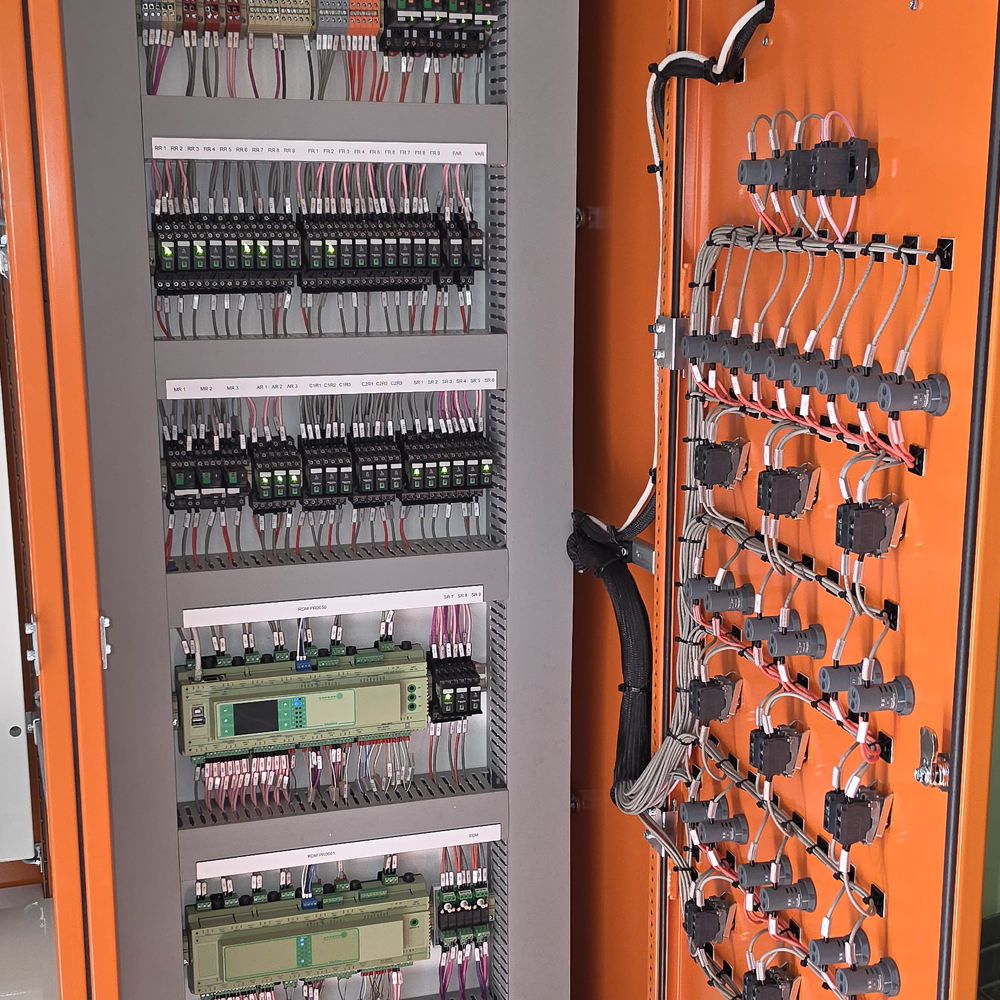
Coordinating a live exchange works by carefully staging the installation to keep existing cooling systems running. Critical telecommunications facilities can’t just shut off the main power or the air conditioning. The network equipment would quickly overheat and fail without constant climate control. Installers bring the new equipment online systematically alongside the old gear.
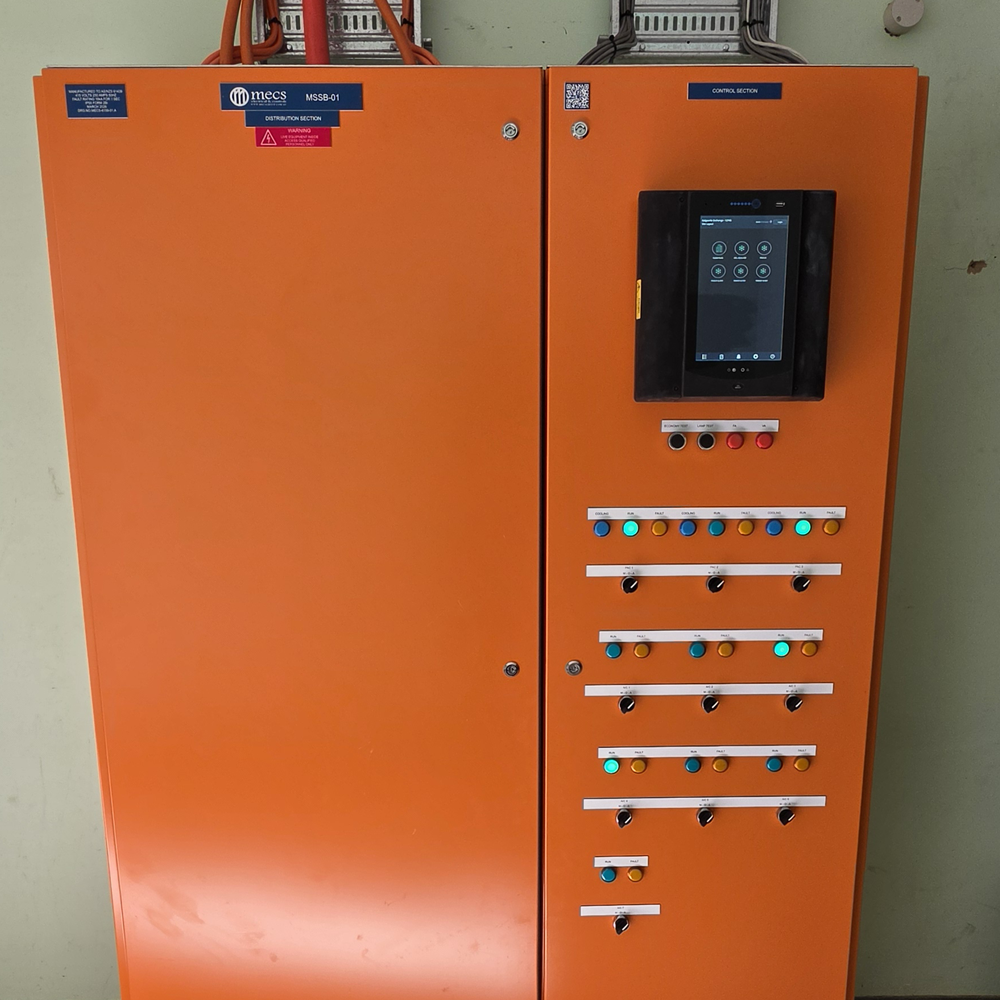
- Technicians install the new mechanical switchboards in a parallel configuration before transferring the electrical load.
- This staged approach ensures the data centre environment remains perfectly stable throughout the cutover.
- The installation team carefully tests each new circuit before retiring the legacy connection entirely.
- Managing the risk during this overlap period requires highly detailed project programming.
Meeting AS/NZS 3000 Wiring Rules for New Equipment
Upgrading mechanical plant triggers new compliance obligations because modifying a circuit forces regulatory updates. Australian electrical regulations evolve constantly to improve workplace safety and fire prevention. A switchboard built in the late nineties won’t meet today’s strict containment rules. Installers can’t legally sign off on a retrofit without addressing these shortfalls.
- Current regulations mandate specific Type A or Type B RCD protection for final sub-circuits.
- Older boards simply lack the physical rail space for these modern safety devices.
- Modern standards enforce strict segregation rules between low-voltage distribution and extra-low-voltage control wiring.
- Arc fault containment guidelines now dictate how switchgear enclosures must be constructed.
Implementing RDM DDC Controls for Precision Cooling
Modern HVAC upgrades require updated panels because advanced RDM DDC controls need specific digital interfaces. Older boards use simple analog relays that only report basic on-or-off states. This limits the command capabilities needed for a sensitive communications exchange. Direct Digital Controls manage the cooling systems with incredible precision.
- The new switchboards house the RDM controllers that monitor exact temperature fluctuations.
- These systems adjust compressor speeds dynamically based on real-time heat loads.
- Technicians can’t integrate these advanced microprocessors into a rusty metal cabinet.
- The updated electrical infrastructure acts as a clean foundation for the automation network.
Protecting Maintenance Crews from Arc Flash Events
Replacing aging panels protects maintenance personnel from severe injuries because modern boards contain specific arc flash shielding. An arc flash releases a massive amount of thermal energy in milliseconds. Old busbar layouts cop a hammering over decades of constant heavy use. Dust ingress and insulation breakdown increase the likelihood of a catastrophic short circuit.
Modern switchboards feature specialised venting and reinforced steel doors. These engineered defences direct the explosive energy upward and away from the operator. Older panels tend to blow the front covers straight off when a major fault occurs. Nobody wants to be nearby when an outdated board decides to spit the dummy.
The True Financial Cost of Partial Upgrades
Leaving a legacy electrical panel in place ruins maintenance budgets because component breakdowns wipe out initial capital savings. Building owners often try to save cash by leaving the old board alone. The reality usually involves expensive emergency callouts at two in the morning. Faulty electrical gear completely negates the efficiency gains of new mechanical plant.
There’s no point funding a highly efficient compressor if a faulty fifty-dollar relay shuts it down. Troubleshooting electrical gremlins in an obsolete panel consumes hours of expensive specialised labour. Technicians spend half their time tracing degraded wires without accurate schematics. This wasted labour adds up quickly across a financial year.
A full replacement guarantees reliable operation for the next twenty years. It provides complete warranty coverage across both the mechanical and electrical systems. Most professionals reckon that doing the job properly the first time costs less overall. Budgeting for the switchboard upfront prevents massive headaches later.
Frequently Asked Questions
How Long Does a Mechanical Switchboard Typically Last?
The industry consensus puts the lifespan of a mechanical switchboard at roughly twenty to twenty-five years. Components degrade rapidly from constant heat cycling and mechanical wear in the plant room. Replacing the board alongside major plant equipment prevents unexpected and expensive electrical failures.
Why Can’t Contractors Just Upgrade the Breakers in the Existing Panel?
Retrofitting modern breakers into an old chassis voids the original type-testing certification. The internal busbar arrangements usually lack the required spacing for modern safety devices. This makes full replacement the safest and most legally compliant option for the facility.
Does Replacing the Board Mean Shutting Down the Site?
A well-planned live exchange keeps the facility running without shutting down the main power. Installers bring the new switchgear online sequentially to maintain constant climate control. This staged approach protects critical network infrastructure from dangerous overheating events.
Key Takeaways
Replacing the heating and cooling plant solves only half the problem in an aging communications facility. The electrical infrastructure carrying the heavy load requires just as much attention during the planning phase. Old panels lack the physical space and digital capabilities required for modern control systems. Facility managers save money and reduce risk by including a new switchboard in every major HVAC upgrade.