
A controls upgrade is one of those projects that sounds straightforward until you try to do it in a building that cannot stop. If the site is a gym, a shopping centre tenancy, a medical clinic, a hotel, or a busy office, the biggest risks are rarely “can the system be replaced”. The real risks are downtime, comfort complaints, access problems, and a messy handover that leaves you dependent on one contractor.
What a Controls Upgrade Actually Means for Your Building
A controls upgrade is not just a box swap. It is a change to how your building plant behaves day to day. That includes how the air conditioning starts and stops, how temperatures are maintained, how faults are flagged, and how your team interacts with the system.
Most occupied-facility upgrades involve a mix of the following:
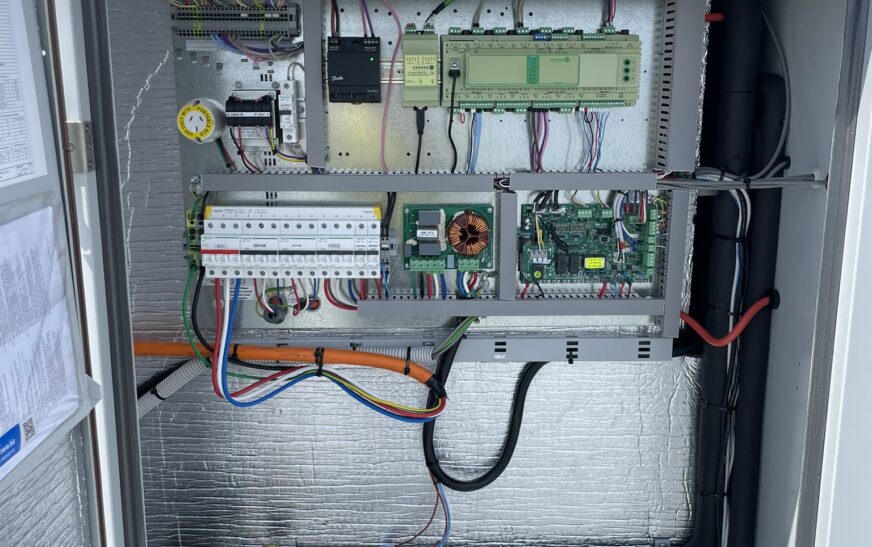
- Replacing older controllers and electrical control hardware
- Updating or migrating the Building Management System (BMS) front end or supervisor
- Improving scheduling, alarms, and visibility (trends, histories, reporting)
- Integrating new equipment (VSDs, new air handlers, split systems, refrigeration interfaces)
- Fixing long-running comfort issues caused by outdated or inconsistent control logic
From your perspective, a good controls upgrade should reduce complaints, improve reliability, and make the site easier to run. If the scope does not clearly connect to those outcomes, it is worth challenging.
What Disruption Looks Like (and How It Should Be Minimised)
Every live upgrade has some disruption. The goal is not “zero impact”, it is “predictable, contained, and approved impact”. You should be told what will happen, when it will happen, and what the fallback plan is if things do not go to plan.
Typical disruptions customers experience include:
- Short shutdown windows for changeovers, often after-hours
- Access requests into plant rooms, comms rooms, ceilings, and risers
- Isolated comfort swings during testing and tuning
- Temporary alarms while systems are being validated
- Brief noise and mess from panel work, drilling, or cable runs
The best projects reduce disruption by doing more preparation before anyone touches your live plant. If a proposal relies heavily on “we’ll work it out onsite”, expect higher risk and more after-hours callouts.
How Staging Keeps an Occupied Site Running
Staging means breaking the upgrade into smaller pieces so the building stays functional while the work progresses. Instead of changing everything in one night, the contractor changes one system or one zone at a time, proves it works, then moves to the next.
A sensible staged approach might look like:
- Upgrade one air handling unit first, then validate comfort and alarms
- Move floor by floor, or tenancy by tenancy, rather than whole-building cutover
- Install new panels or controllers in parallel, then switch control across at a planned time
- Prove key functions with trend data over several days before calling it “done”
This staged approach is what protects you from the nightmare scenario where a single cutover window goes wrong and the whole site suffers.
What a Low-Risk Controls Upgrade Plan Should Include
A customer-friendly plan is not a wall of technical terms. It is a clear description of steps, responsibilities, and protections for your operations. You should be able to see how the contractor will avoid surprises.
At minimum, a low-risk plan should include the following.
Clear Scope and Exclusions
Controls proposals can look similar while covering very different inclusions, so scope clarity is what prevents cost surprises and disputes. You should be able to see exactly what is included, what is excluded, and what assumptions the contractor is making.
- Equipment and systems included (and not included)
- Hours of work and after-hours assumptions
- What happens if existing equipment is faulty or non-compliant
- What is included for graphics, alarms, and trend logs
A Staged Delivery Schedule
A staged schedule shows how the work will affect operations week to week, not just the start date and finish date. It also helps you plan around peak periods, tenant needs, and any blackout windows where shutdowns are not acceptable.
- The order systems will be upgraded
- Access needs by area (plant rooms, ceilings, comms spaces)
- Planned cutover windows and test periods
- Blackout dates where shutdowns are not acceptable
Cutover and Rollback Planning
Cutover is the changeover moment, and rollback is the safety net that keeps a bad night from becoming a bad week. A well-run upgrade should define cutover steps clearly, along with what will trigger rollback and how quickly it can happen.
- What checks happen before cutover
- Who will be onsite during the changeover
- What conditions trigger a rollback
- How quickly control can be restored if needed
Communication and Escalation
Clear communication stops minor issues turning into major complaints, especially during commissioning and tuning. You should know who to contact, what response to expect, and how occupant feedback will be handled while the system is being fine-tuned.
- Who your single point of contact is
- How occupants are notified (if required)
- What happens if a comfort issue occurs during tuning
- How urgent issues are prioritised after-hours

Key Takeaways
Controls upgrades can be delivered smoothly in occupied facilities, but only when the project is staged, the disruption is planned, and the handover is treated as a core deliverable.
When you are comparing proposals, focus on:
- How the contractor will keep your site operating while work happens
- Whether cutover and rollback are clearly defined
- How commissioning and tuning are handled in a live environment
A customer-first controls upgrade is about a predictable process, a stable outcome, and a system your facility can live with long after the project team leaves.