
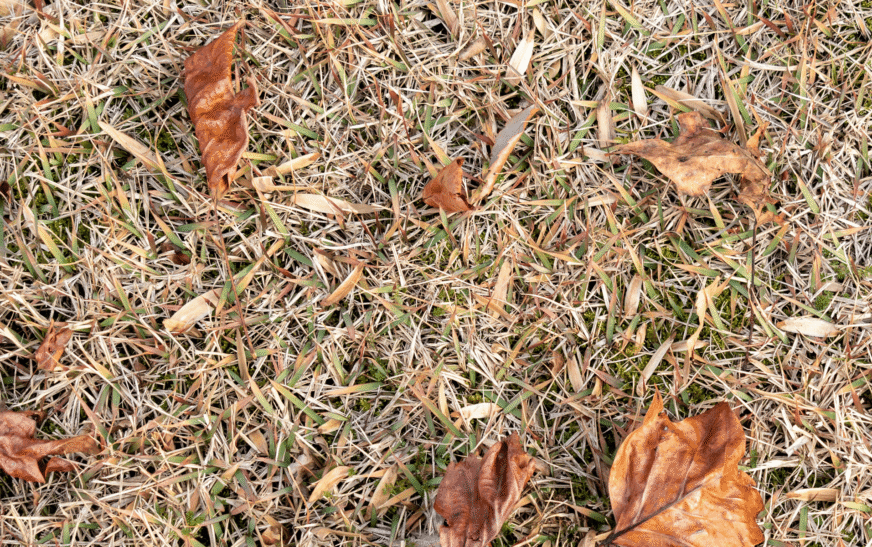
Property owners often misread the signals their turf sends. An off-colour yard doesn’t always mean the grass is dying. Turf dormancy is simply a protective metabolic shutdown triggered by cold temperatures or prolonged drought. The grass suspends visible growth temporarily to survive extreme environmental stress.
Proper winter lawn care demands knowing the difference between sleeping grass and dead grass. Throwing synthetic fertiliser at a dormant lawn is useless. It won’t wake up the turf. Most operators reckon it just wastes money and pollutes local waterways.
Distinguishing Between Dormancy and True Decline
A lawn’s in actual trouble when the grass crowns turn dark brown and the stems snap easily like dry twigs under pressure. Dormant grass retains a whitish-green base near the soil line and remains flexible. Assessing the crown provides the definitive answer on overall turf health.
- The tug test reveals root health. Pulling a handful of grass shows whether the plant holds firm or detaches entirely.
- Stem flexibility indicates life. Live stems bend smoothly without breaking, while dead stems splinter immediately.
- Moisture at the base shows cellular activity. A living crown feels slightly damp compared to a dead crown that feels dusty.
Many property owners panic at the first sign of winter frost. Kikuyu and Couch grasses naturally lose their vibrant colour when soil temperatures drop below fourteen degrees Celsius. There’s no point throwing money at chemical treatments during this phase. The turf just won’t absorb the nutrients.
If the grass fails the tug test, root rot or severe pest damage is highly likely. Complete separation from the topsoil means the root system is completely gone. Recovery requires total ground renovation instead of standard top-dressing.
Diagnosing Hydrophobic Soil Conditions
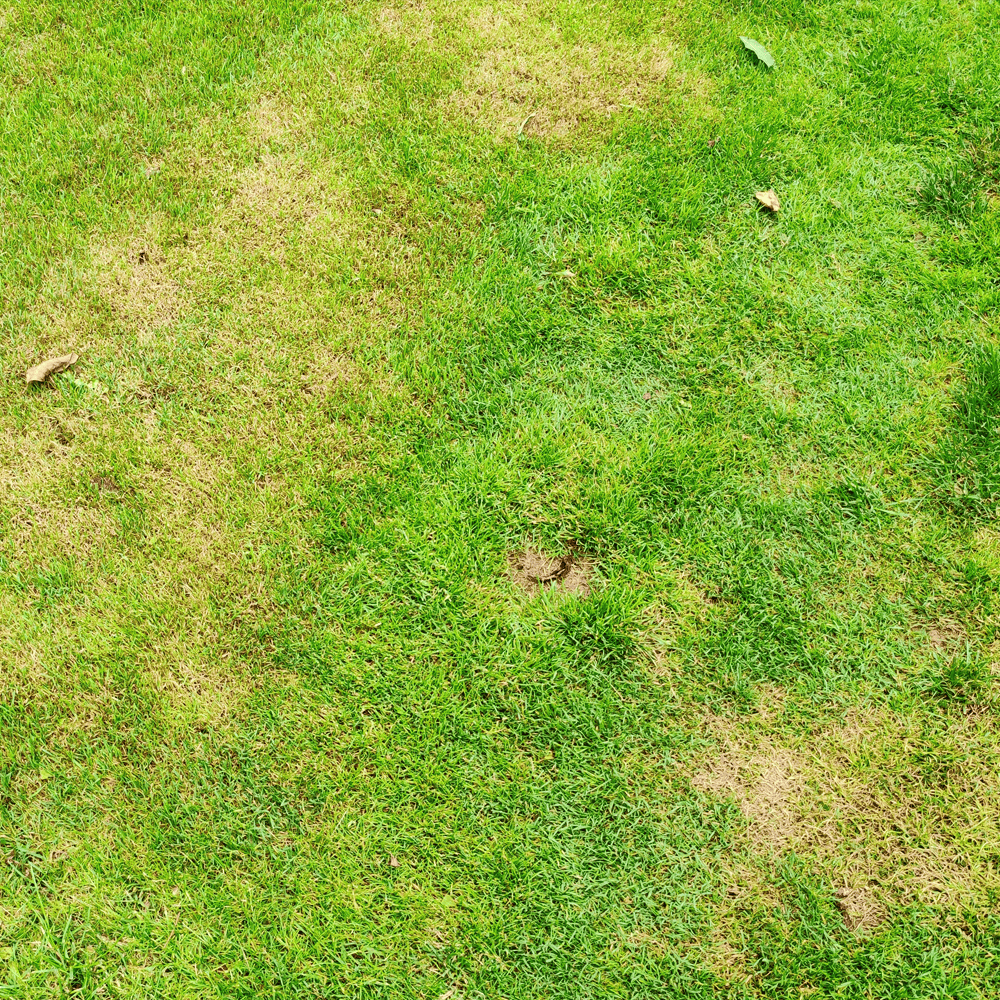
Hydrophobic soil is confirmed when water beads up and sits on the dirt surface instead of penetrating the root zone. This waxy coating on soil particles literally repels moisture away from thirsty grass roots. Turf planted in these conditions will quickly dehydrate and perish.
- Water pools instantly on the surface after irrigation starts.
- The soil remains completely dry just five millimetres below the surface.
- Dry patches appear irregularly across the yard, often starting on high spots or steep slopes.
Australian summers ensure lawns regularly cop a hammering from extreme heat. When organic matter breaks down unevenly under these temperatures, a waxy residue coats the sand grains. Water then runs off into the gutters instead of reaching the grass canopy.
Spotting Subterranean Pest Activity
Subterranean pest activity becomes obvious when large patches of turf detach easily from the ground like a loose rug. Grubs and larvae eat the grass roots just below the soil surface, completely severing the plant’s main food supply. Without intact roots, the grass blades rapidly turn brown and die.
African Black Beetle larvae cause massive destruction across Australian lawns between October and March. These white curl grubs sit just under the thatch layer. They eat constantly as the soil warms up throughout spring.
Recognising Fungal Infections Across the Yard
Fungal infections present as rapidly expanding, circular patches of discoloured grass often displaying a fine, web-like substance early in the morning. Fungal pathogens thrive in damp, poorly ventilated turf canopies and destroy leaf tissue aggressively. Left untreated, these expanding circles merge and wipe out entire lawns.
Overwatering late in the evening encourages rampant fungal growth. Grass leaves stay wet all night, creating an ideal breeding ground for microscopic spores. Watering deeply in the early morning is a much safer practice. The morning sun dries the leaf blades quickly.
Brown Patch and Dollar Spot are common fungal enemies in highly humid regions. Turf professionals note that excessive nitrogen fertiliser actually feeds these specific diseases. High nitrogen produces soft, sappy leaf growth that fungi easily penetrate.
The Impact of Poor Winter Lawn Care
Neglecting basic winter lawn care leaves the turf dangerously thin and unable to outcompete aggressive winter weeds. Without proper seasonal preparation, the grass root system depletes its stored carbohydrates and weakens significantly. This invites permanent mechanical damage before spring even arrives.
Raising the mower height before the first heavy frost preserves vital leaf surface area. More leaf area means the plant absorbs more available sunlight during short winter days. Scalping a lawn in June practically guarantees widespread dieback by August.
Applying a pre-emergent herbicide in late autumn stops winter weeds from ever germinating. Invasive species like Bindii and Winter Grass steal valuable nutrients from the resting turf. Once winter weeds establish themselves, removing them mechanically often damages the fragile dormant grass crowns.
Frequently Asked Questions
Why Is the Grass Turning Yellow in Patches?
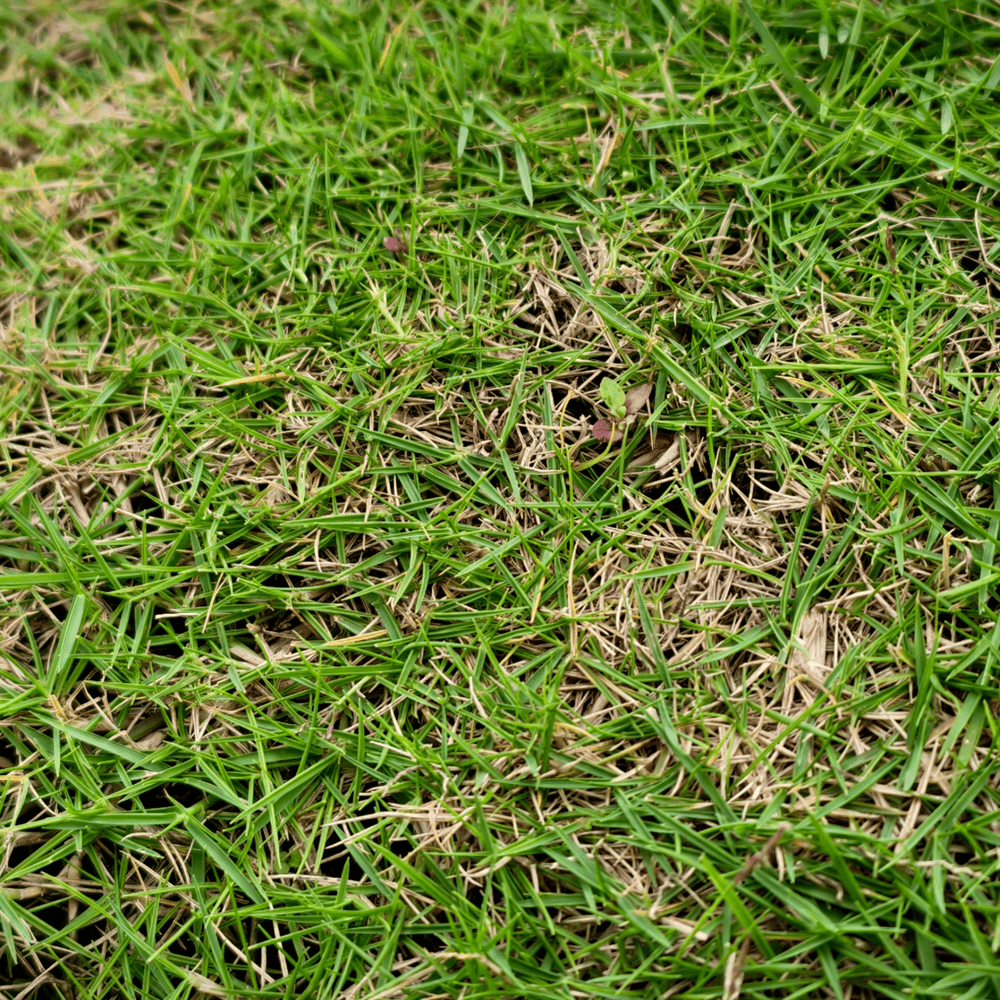
Yellowing patches usually indicate a distinct lack of soil nutrients or an uneven watering schedule. Soil compaction in specific spots also prevents roots from absorbing available iron and nitrogen. A thorough soil test identifies the exact mineral deficiency causing the discolouration. Applying a targeted fertiliser resolves the issue within weeks.
How Long Does Lawn Recovery Take After Chemical Burn?
Recovery time depends entirely on the severity of the initial root damage. Mild fertiliser burns often fade after three to four weeks of consistent, deep watering. Severe chemical spills kill the roots instantly and require complete re-turfing of the affected area. Dead zones won’t recover on their own.
Can Dead Grass Turn Green Again?
Truly dead grass won’t ever regain its green colour or start growing again. If the crown and roots have perished, the plant organic matter simply decomposes into the dirt. Dormant grass, however, naturally greens up once soil temperatures rise and water becomes readily available.
Final Thoughts
Identifying lawn problems accurately requires checking the root zone instead of looking solely at the leaf blades. Turf issues always stem from soil health, moisture levels, or pest activity hidden well below the surface. Addressing the root cause directly ensures long-term recovery instead of temporary cosmetic fixes.