
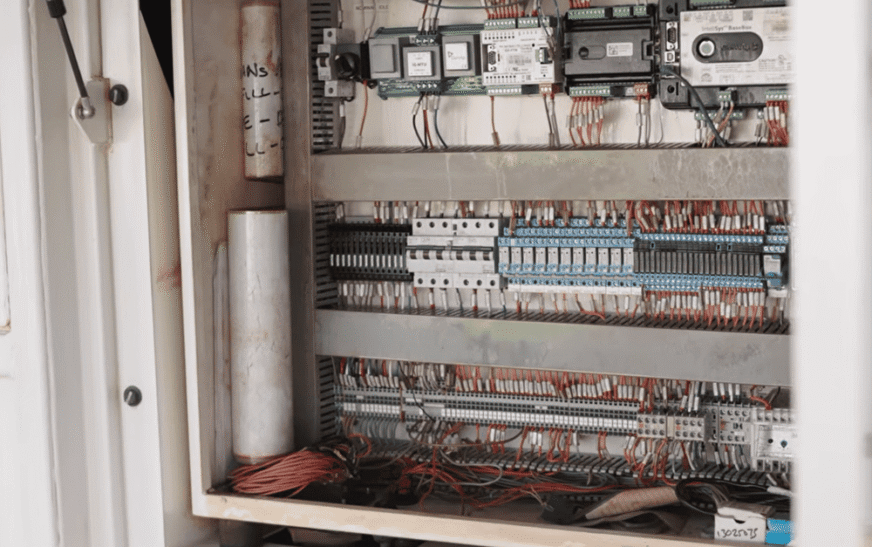
A main switchboard is the central electrical distribution point for a building, routing grid power to individual unit meters and common areas. Most strata committees treat this grey metal box like part of the furniture until the lights go out. That oversight turns basic strata maintenance and repairs into an expensive emergency.
What Happens When Strata Switchboards Get Ignored
Ignoring a strata switchboard leads directly to thermal degradation, unexpected power outages, and significantly increased fire risks due to internal components loosening over time.
Here are the typical failure points in neglected boards:
- Loose connections on the main neutral link that cause widespread voltage fluctuations across units.
- Residual Current Devices (RCDs) that become sticky from lack of testing and fail to trip.
- Corroded busbars in coastal properties where salty air eats away at the conductive copper.
- Overloaded sub-circuits where residents have added heavy appliances without notifying the building manager.
As internal components loosen from constant micro-vibrations, electrical arcing occurs and generates extreme heat. This heat melts insulation and destroys breakers before anyone smells smoke.
The Hidden Dangers of Asbestos and Ceramic Fuses
Older switchboards present severe health and safety risks due to asbestos-backed panels and obsolete ceramic fuses that aren’t compliant with current wiring rules.
These hazardous materials create specific challenges for building managers:
- Ceramic rewireable fuses allow anyone to replace the blown fuse wire with a thicker copper strand, bypassing the safety rating.
- Overloaded circuits handle more current than the cables can safely take, causing wall wiring to get red hot and ignite.
- Asbestos backing panels prevent trades from safely mounting new breakers due to strict bans on drilling friable materials.
Ceramic rewireable fuses are a massive liability for anybody corporate. The trade calls them a disaster waiting to happen. They require specialised handling or immediate removal by qualified trades.
Identifying the Warning Signs of Electrical Failure
Identifying the warning signs of electrical failure requires strata managers to monitor the property for flickering lights, tripped breakers, and scorch marks.
Here are the most common early indicators of an overloaded board:
- Residents complaining about dimming lights when major appliances turn on.
- A persistent fishy or burning plastic smell lingering in the common area hallways.
- Safety switches that trip repeatedly during heavy rain or severe storms.
- Audible buzzing sounds coming directly from the main meter panel.
Those symptoms indicate that the internal wiring is struggling to handle the current load. The system is desperately trying to warn someone before it completely breaks down. Smart committees act on these reports immediately.
How Switchboard Thermal Imaging Prevents Outages
Switchboard thermal imaging prevents outages by using infrared cameras to detect abnormal heat signatures in electrical components long before they physically fail.
A proper thermographic report normally includes a few specific details:
- Infrared photographs alongside standard digital photos to pinpoint the exact location of the hot spot.
- A temperature delta reading comparing the faulty component to a baseline ambient temperature.
- A severity classification rating to help the strata committee prioritise the repair schedule.
- Notes on any physical deterioration like cracked casing or signs of previous vermin activity.
High-resistance joints glow brightly on a thermographic scan. This allows electricians to tighten or replace the specific failing parts during scheduled downtime.
It’s a completely non-destructive testing method. The technician doesn’t even need to turn the power off to do it. The board needs to be under normal load for the camera to see the heat patterns.
The True Cost of Reactive Strata Maintenance and Repairs
Relying on reactive strata maintenance and repairs costs body corporates heavily through emergency call-out fees, temporary generation hire, and expedited parts shipping.
Here are the distinct advantages of a scheduled upgrade instead:
- Committees can source competitive quotes from multiple contractors instead of accepting the first emergency price.
- Residents get a minimum of a week’s notice regarding the planned power outage.
- Contractors can pre-order the exact breakers, RCDs, and busbars needed for the specific board.
- The property’s insurance premiums often remain stable because the building demonstrates active risk management.
When a main switchboard blows up, the entire building loses power. Water pumps stop, and security systems fail. Fixing it requires throwing money at the problem immediately.
Many owners try to save a few dollars by skipping annual inspections. The common line in the trade is that this is a false economy. A catastrophic switchboard failure easily requires a massive special levy to rectify.
Frequently Asked Questions
What Types of Electrical Services Are Standard for Strata?
Strata electrical services generally cover common area lighting maintenance, switchboard compliance checks, and emergency fault finding in shared spaces. Licensed contractors also handle smoke alarm testing in communal areas and structural electrical safety audits. These preventative services keep the building operational and satisfy insurance requirements.
Why Do Old Ceramic Fuses Keep Blowing?
Old ceramic fuses blow frequently because modern appliances draw more current than the vintage wiring was designed to handle. A single kitchen might now run a microwave, kettle, and air fryer simultaneously. The thin fuse wire correctly melts to prevent the wall cables from catching fire under this heavy load.
Can a Strata Manager Perform the Visual Inspection?
A strata manager can open the cabinet to check for obvious physical damage, but they can’t legally perform any electrical testing. Opening the escutcheon panel exposes live copper busbars that carry lethal amounts of current. Only a licensed electrical contractor with proper protective gear should conduct the actual compliance checks.
Final Thoughts
Maintaining a strata switchboard is a strict legal obligation that protects property value and ensures the physical safety of all building occupants. Treating electrical infrastructure as a set-and-forget asset is a guaranteed path to expensive emergency breakdowns and angry residents.