
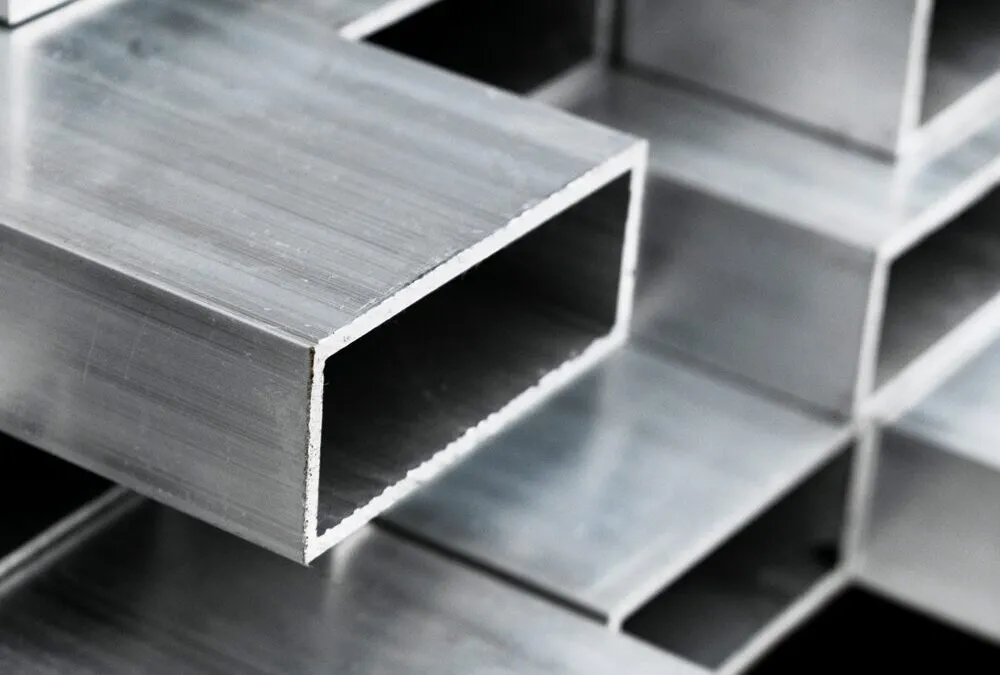
When people compare aluminium products, the discussion often starts with shape, but the bigger difference usually starts with how that shape is made. An aluminium extrusion is not simply an aluminium piece that happens to look a certain way.
It is a profile formed through a specific manufacturing process, and that process influences the geometry, consistency, fit, and the way the final part is used.
What Makes an Extrusion an Extrusion
The key difference is the way the material is formed. In extrusion, aluminium is pushed through a die to create a specific profile. That profile then continues along a length, producing a section with the same cross-sectional form from one end to the other.
This is what gives aluminium extrusion its identity. The shape is not cut out from a flat sheet. It is not poured into a one-off mould shape like a casting. It is not simply turned from a solid block. It is formed as a continuous profile.
That creates a very practical outcome for builders, fabricators, and manufacturers. If a project needs a repeated section, such as a channel, track, frame member, or trim, an aluminium extrusion can provide that exact form in a consistent run length that can then be cut, drilled, joined, or finished.
Why the Cross-Section Matters So Much
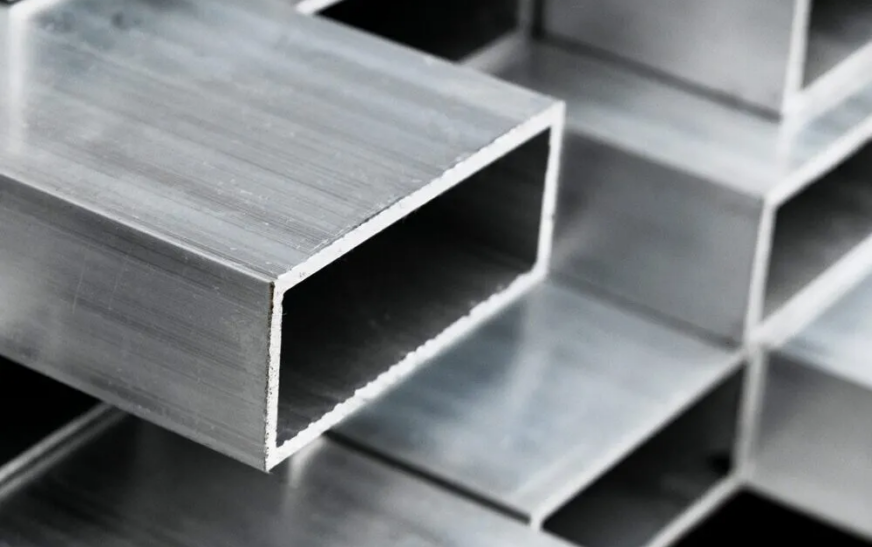
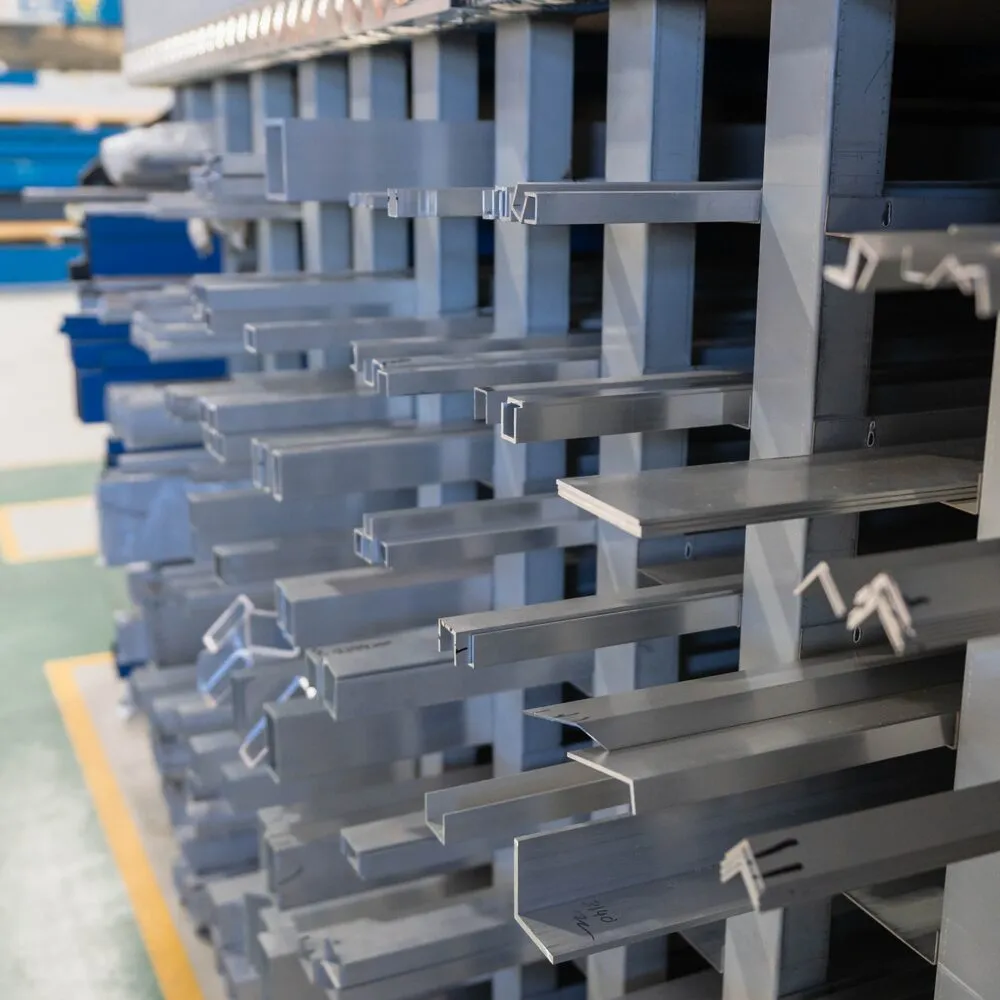
The repeated cross-section is one of the most useful features of aluminium extrusion, and it is the easiest way to explain how it differs from many other aluminium shapes.
If you cut an extruded profile at several points along its length, the section looks the same each time. That consistency is a major advantage in production and assembly because the profile is designed to do a specific job along the whole piece.
This often supports design goals such as:
- Creating a channel to hold another material
- Forming a lip, edge, or trim detail
- Building a frame that joins neatly at corners
- Including internal voids to reduce weight while keeping structure
- Adding grooves, slots, or rails for fasteners or inserts
- Producing a neat finished profile that needs less secondary shaping
This is why aluminium extrusion is often chosen for parts that need both function and form in the same piece.
How Extrusion Differs from Sheet and Plate
Sheet and plate products are flat by nature. They are excellent for panels, covers, folded components, brackets, and fabricated assemblies. They are often cut and bent into final forms.
An aluminium extrusion is different because the shape is built into the profile from the start. Instead of beginning with a flat surface and forming it later, the form is already there as a continuous section.
That difference changes how parts are designed and assembled. For example, if someone needs a panel surround, edge detail, glazing channel, or decorative trim with a repeated geometry, an aluminium extrusion can deliver the profile in one piece. If someone needs a broad flat panel, sheet or plate is the natural choice.
Both are aluminium products, but they solve different geometry problems. Sheet and plate are ideal when the main requirement is a flat surface. Extrusion is ideal when the main requirement is a repeating profile.
How Extrusion Differs from Bar and Standard Solid Sections
Bar stock, whether round, square, or flat, is a very useful starting material for many jobs. It is commonly machined into components, spacers, mounts, pins, and connectors. Standard bar shapes are simple and versatile.
An aluminium extrusion differs because it can carry a more complex profile than a basic solid section. Rather than starting with a simple form and machining away material to create grooves or features, an extruded profile can include those features as part of the section design.
That can support cleaner fabrication workflows in projects that use repeated lengths. A profile can be cut to size and integrated into assemblies with less reshaping of the core geometry.
This difference becomes especially noticeable in applications like:
- Framing systems
- Edge trims
- Sliding tracks
- Signage components
- Display structures
- Enclosures and covers
In these kinds of products, the profile itself is doing much of the design work.
How Extrusion Differs from Tube and Pipe
Tube and pipe are also long products with repeated cross-sections, so this is where comparisons get more interesting. They share one major feature with aluminium extrusion, which is consistency along the length.
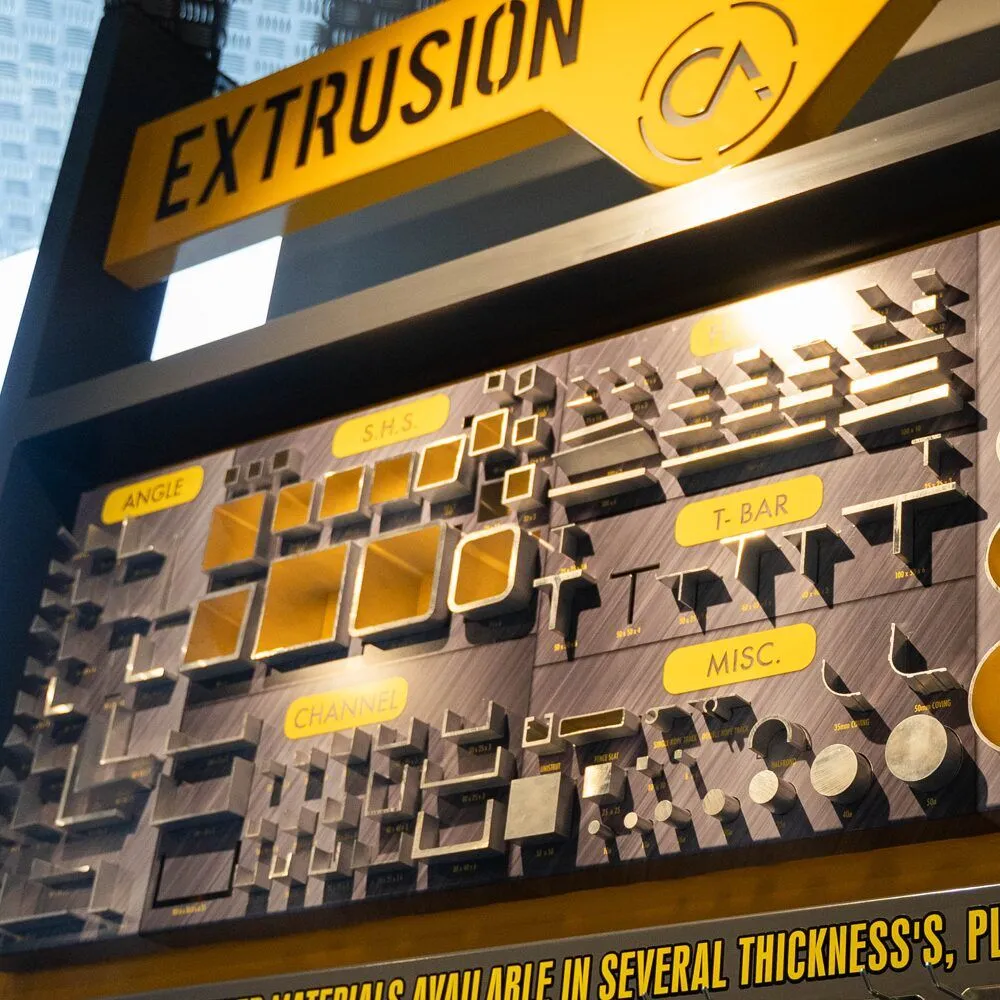
The difference is that pipe is commonly round, while tube sections are often round, square, or rectangular. An aluminium extrusion can also be hollow, but it can take on more specialised profile geometry depending on the die design.
That gives aluminium extrusion more freedom when a project needs a hollow section plus additional design features, such as:
- Multiple internal chambers
- Mounting slots
- External fins or edges
- Clip-in details
- Interlocking shapes
- Profile-specific joining features
So while tube and pipe are excellent for many structural and fabricated uses, extrusion becomes the standout option when the shape needs to do more than provide a hollow section.
How Extrusion Differs from Cast Aluminium Shapes
Cast aluminium parts are formed by pouring metal into a mould. That process is great for creating complex three-dimensional forms, especially when the part shape changes in multiple directions.
An aluminium extrusion differs because it is based on a continuous profile, not a fully three-dimensional moulded shape. The strength of extrusion is profile repetition, while the strength of casting is shape variation within a single part.
Key Takeaways
An aluminium extrusion is different from other aluminium shapes because it is defined by a profile-based manufacturing process, not just by the metal or the finished appearance. The repeated cross-section is the main feature that sets it apart, and it is also the reason aluminium extrusion products are so useful in framing, trims, channels, rails, and custom components.