

The Australian economy is full of signals. Interest rates, inflation data, GDP growth figures, employment numbers — every week brings a fresh round of statistics that shape headlines and stir debate. But here’s the question more and more small business owners are asking: how much of that actually reflects what’s happening on the ground?
There’s a growing disconnect between the macroeconomic indicators we hear about and the day-to-day realities that business owners face. While official data points paint one picture, the experiences of those running cafés, tradie services, retail outlets, and startups across the country often tell a more nuanced story.
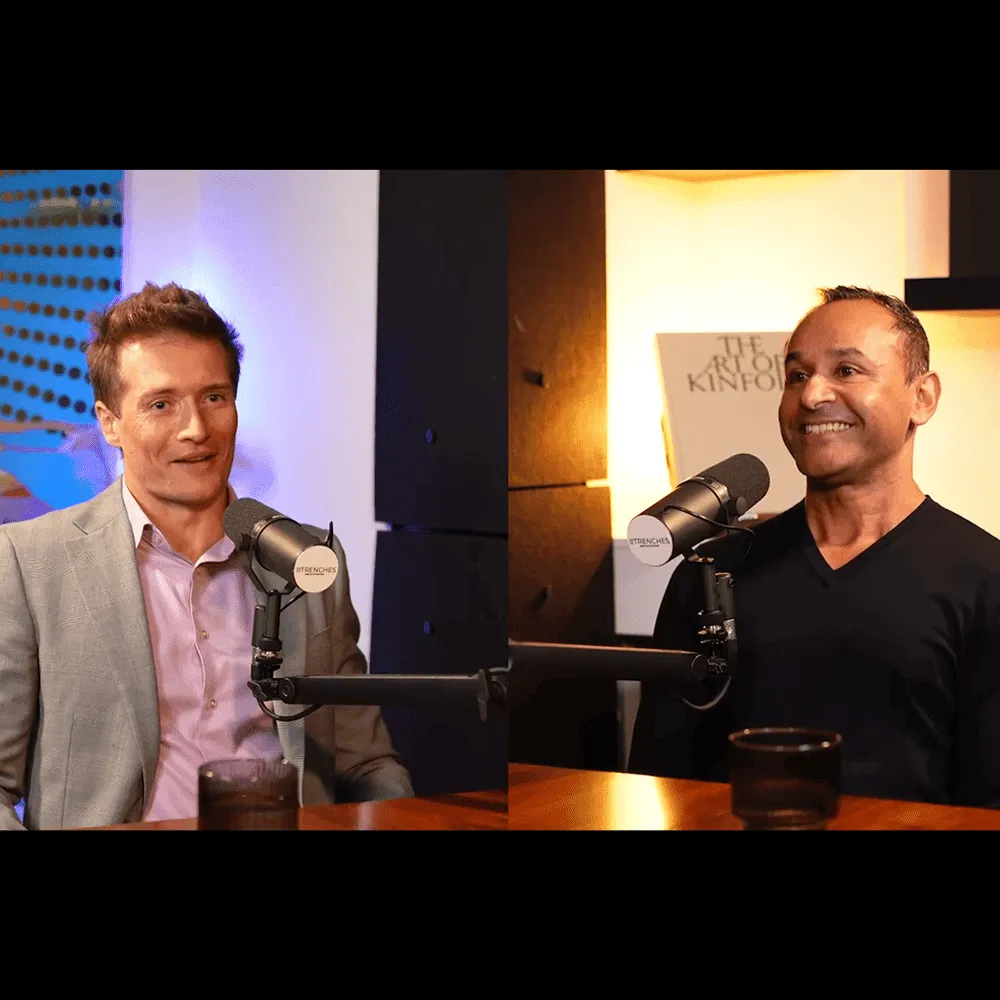
This is where the recent In the Trenches podcast episode featuring Daniel Gradwell (ANZ) hits the mark. By combining economic data with real-life business conversations, it reveals why both lenses — the bird’s-eye view and the boots-on-the-ground perspective — are essential to understanding the economy.
Let’s explore why paying attention to both macroeconomic signals and actual business conditions is not just useful, but critical.
The Limits of Macroeconomic Data

Australia’s key economic indicators are essential. They influence Reserve Bank decisions, government policy, and investment flows. But they’re also lagging indicators, meaning they show what has happened, not what’s happening right now.
Take unemployment figures. A drop in the unemployment rate sounds positive — and often is — but it doesn’t tell you whether underemployment is rising, whether people are working enough hours to make ends meet, or whether full-time roles are being replaced with casual contracts.
Or consider inflation data. We might see CPI (Consumer Price Index) figures trending down, suggesting cost-of-living pressures are easing. But many households and business owners still feel the pinch due to things like rising rents, insurance premiums, and utilities — items that may not be falling in line with the headline number.
This is where macro data starts to lose its sharpness as a decision-making tool. It creates a general narrative but misses important local and sector-specific pressures.
Real-World Conditions: Messier, but More Immediate
Macroeconomic data is useful, but it’s filtered, delayed, and generalised. Meanwhile, real-world conditions — like how many walk-ins a shop gets this week or how long clients are taking to pay invoices — offer immediate, tangible insights.
In a recent In the Trenches podcast episode, Daniel Gradwell (ANZ) shared the following insights:
- Consumer confidence isn’t bouncing back the way some economic commentary suggests.
- Cash flow management is still the top stressor for SMEs, especially with inconsistent payments.
- Hiring remains tricky, not because there aren’t applicants, but because finding the right fit is harder with budget constraints and higher expectations.
These stories, while anecdotal, are valuable. They reflect operational pain points that can’t be captured by a quarterly ABS release.
Why You Need Both Views to Make Better Decisions
If you run or advise a business, relying on just one data source — whether it’s top-level economic trends or on-the-ground feedback — won’t give you the full picture. Each source plays a role.
1. Macroeconomic Data Helps You Understand the Big Picture
If you’re about to make a major investment, expand, or take on new debt, you’ll want to understand broader trends like:
- Where interest rates are heading
- The likely trajectory of consumer demand
- Whether fiscal policy (e.g. tax cuts, grants) could impact your plans
Macroeconomic signals help you plan long-term, spot upcoming risks, and stay in tune with regulatory and policy shifts.
2. Ground-Level Conditions Help You Act Now
If the rent just increased, clients are paying slower, or foot traffic is down despite the ABS saying retail’s recovering — that’s your reality. And that reality should drive:
- Short-term budgeting decisions
- How you staff and roster
- What you prioritise in customer experience or marketing
It’s the difference between strategy and tactics. Macroeconomics helps you steer the ship, but real-time business conditions help you avoid the rocks in the water.
The Emotional Factor: Confidence Matters
One interesting insight from both macro economists and business owners is the importance of confidence.
Consumer confidence. Business confidence. Market confidence.
These are often driven more by perception than reality. For example, a run of negative headlines about interest rates or international markets can lead to reduced spending — even if people still have the same amount of money in their accounts.
Likewise, if business owners feel optimistic — say, because they’ve just had a good quarter or heard encouraging stories from peers — they’re more likely to invest, hire, and grow.
This is where media, community, and leadership all play a role. Sharing stories, listening to what’s really happening, and giving people clarity (even in tough times) can help restore balance and perspective.
Final Thoughts: Data + Lived Experience = Clarity
Australia’s economy isn’t a single story. It’s thousands of stories unfolding in different places, at different speeds. Headlines can’t capture all of that. But nor can a single balance sheet or P&L.
The best insights come when you combine macroeconomic awareness with real-world pragmatism. That’s how you future-proof your business — not just riding out the economy, but actually growing through it.
As Daniel Gradwell (ANZ) reminds people in the Opportunities and threats – A Ground-Level Look at the Aussie Economy podcast episode, what’s happening in the streets, shops, and job sites of Australia deserves just as much attention as what’s being said in Canberra or posted by economists on LinkedIn.
By paying attention to both, you make better decisions — for today, and for the long haul.