
Summer to autumn sounds like a simple seasonal change, but for lawns it is often one of the trickiest periods of the year. A lawn that looked fine in late summer can suddenly lose colour, thin out, feel patchy underfoot, or start showing weeds within a few weeks. That is why strong Australian lawn care is not just about what you do in peak growth months, it is also about how well you manage these transition periods.
Why the Transition Window Feels Unpredictable
The summer to autumn change is difficult because the signals do not line up neatly. Air temperature, soil temperature, daylight hours, and moisture levels all shift at different speeds.
Your lawn responds to all of those factors, not just the weather app. You might get a cooler week and assume the lawn needs much less water, then a hot spell returns and the turf is already stressed. You might see some rain and think irrigation can be cut back, but the soil profile may still be dry underneath.
That mismatch creates a lot of confusion in day-to-day maintenance. The lawn can look like it is slowing down on top while still needing support below the surface, especially in warm regions and sandy soils.
What Changes in the Lawn Before You Can See It

One reason the transition catches people out is that the first changes happen below the visible layer. The lawn often starts adjusting root activity and moisture use before obvious thinning or discolouration appears.
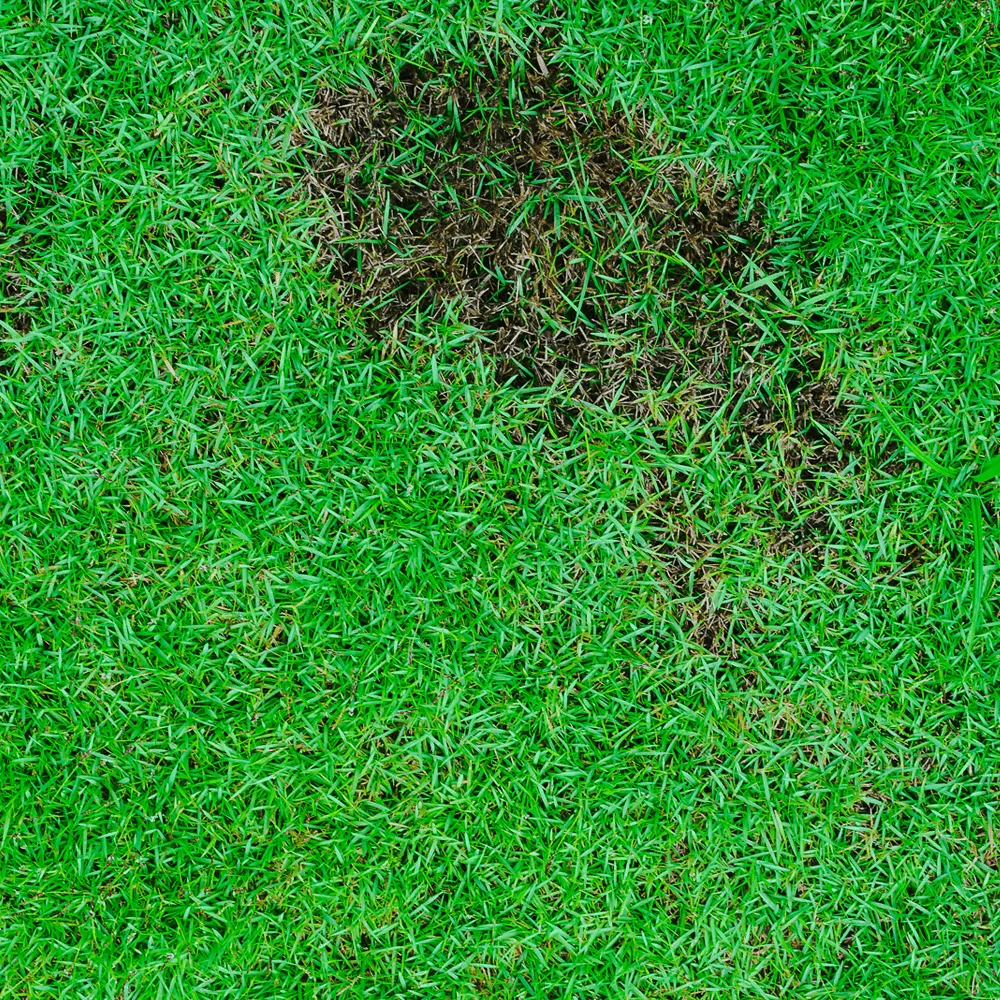
By the time the grass looks tired, the stress may already be building for weeks. Summer heat can leave behind shallow rooting, dry patches, compacted areas, and accumulated thatch. Then autumn conditions expose those weaknesses. The lawn is no longer growing hard enough to hide problems, but it is still active enough to respond badly if pushed too hard.
This is why a lawn can seem to decline “all of a sudden” when, in reality, the conditions were building up quietly.
Why Summer Habits Start Working Against You
A big part of the difficulty is that summer routines often stop being effective in autumn, even if they worked perfectly a month earlier. The same watering frequency, mowing height, and feeding approach can become a poor fit once conditions start shifting.
The most common example is mowing too low. In summer, some lawns can bounce back quickly from a tighter cut if water and warmth are consistent. In autumn, that recovery slows. A low cut can reduce leaf area right when the plant needs energy to rebuild roots and handle changing conditions.
Watering is another trap. People tend to make one of two mistakes, they either keep summer watering schedules for too long, or they cut back too aggressively after the first cooler period. Both can create stress. The goal is usually a gradual adjustment, not a hard switch.
Feeding can also go wrong if the focus is only on fast green growth. A heavy nitrogen push may improve colour briefly, but it can create soft top growth that increases mowing demand and adds more pressure on a lawn that is already trying to stabilise.
Common Transition Mistakes That Cause Bigger Problems Later
The most expensive lawn mistakes in autumn are usually not dramatic, they are small habits repeated for a few weeks. Those habits stack stress onto a lawn that is already trying to recover from summer.
The mistakes below are common because they seem logical at the time:
- Cutting too low to “tidy it up” after summer
- Reducing watering too quickly after the first cool change
- Applying a heavy fertiliser dose for a fast green result
- Ignoring compaction and dry patch issues
- Letting bare spots sit open
- Delaying weed control until weeds are already established
- Doing too many stressful jobs in one weekend (scalp, dethatch, fertilise, and repair all at once)
The last one is especially common. Each individual job may be fine, but combining them can overwhelm the turf. Autumn recovery usually works better when tasks are staged over several weeks.
How to Adjust Your Lawn Routine Without Shocking the Turf
A smoother transition usually comes down to gradual changes. The lawn needs support, but it also needs stability. Sudden shifts in maintenance often create more stress than the season itself.
A practical way to think about it is to adjust in layers. Start with moisture and mowing, then move into soil condition, feeding, and patch repair.
Here is a sensible order to work through:
- Review watering and reduce only as conditions actually cool
- Lift mowing height slightly if the lawn is stressed or thin
- Check for dry patch, compaction, and thatch
- Feed for steady recovery, not a quick colour hit
- Repair bare areas before weeds move in
- Stay on top of weeds while numbers are still low
This sequence helps because it improves the lawn’s ability to use water and nutrients before expecting a big visual recovery.
Final Thoughts
Summer to autumn lawn transitions are challenging because the lawn is dealing with changing weather, leftover summer stress, and new competition from weeds all at the same time. Most problems during this period are not caused by one big mistake, they come from routines that no longer match the conditions.