
Australians love their lawns. Whether you’ve got a compact patch of green out the back or a front yard that could rival a cricket pitch, a well-maintained lawn can lift the whole appearance of your home. But when it comes to keeping it healthy, how often do you actually need to care for it?
Lawn care isn’t just about mowing once in a while. It’s a mix of regular maintenance, seasonal timing, and understanding your local climate.
Why Consistency in Lawn Maintenance Matters
If you’ve ever noticed patches of dead grass or thinning areas, chances are the issue comes down to inconsistent lawn care. Lawns thrive on routine. A set schedule helps your grass develop deeper roots, better resist pests and disease, and remain lush and green through the seasons.
Neglecting your lawn—even for just a few weeks—can undo months of good work. In fact, irregular mowing, fertilising, or watering can cause more harm than skipping altogether, as it often leads to shock or overcompensation in the grass’s growth cycle.
Mowing: More Than Just Keeping Things Tidy
How often should you mow your lawn?
- Summer: Weekly or every 5–7 days
- Autumn & Spring: Every 10–14 days
- Winter (if needed): Every 3–4 weeks
Grass grows faster in the warmer months, so mowing regularly prevents it from becoming overgrown or stressed. If your mower takes off too much at once, it can scalp the lawn and expose it to sunburn and disease. A general rule of thumb? Never cut more than one-third of the grass blade in a single mow.
For most Australian homes, weekly mowing in summer is ideal. For those in cooler or shadier areas, fortnightly may be enough. And during the cooler months, mowing becomes less frequent but should still be done to keep the lawn tidy and prevent weeds.
Tip: Keep mower blades sharp. Blunt blades tear grass instead of slicing it cleanly, which can cause brown tips and leave your lawn vulnerable to pests.

Watering: Timing Is Everything
How often should you water your lawn?
- Summer: 2–3 times a week
- Spring & Autumn: 1–2 times a week
- Winter: Rarely, if at all (unless there’s drought)
Watering deeply and infrequently is the best way to encourage strong root development. A common mistake is watering lightly every day. This leads to shallow root systems that can’t handle heat or dry spells.
The best time to water? Early in the morning. This allows the water to soak in before the sun gets too hot, reducing evaporation. Evening watering is less ideal, as moisture sitting on grass overnight can encourage fungal disease.
Note: Always comply with your local water restrictions and use drought-smart practices where possible.
Fertilising: Feeding Your Lawn at the Right Time
How often should you fertilise?
- At minimum: 3–4 times a year
- Best practice: Light applications every 6–8 weeks during growing seasons
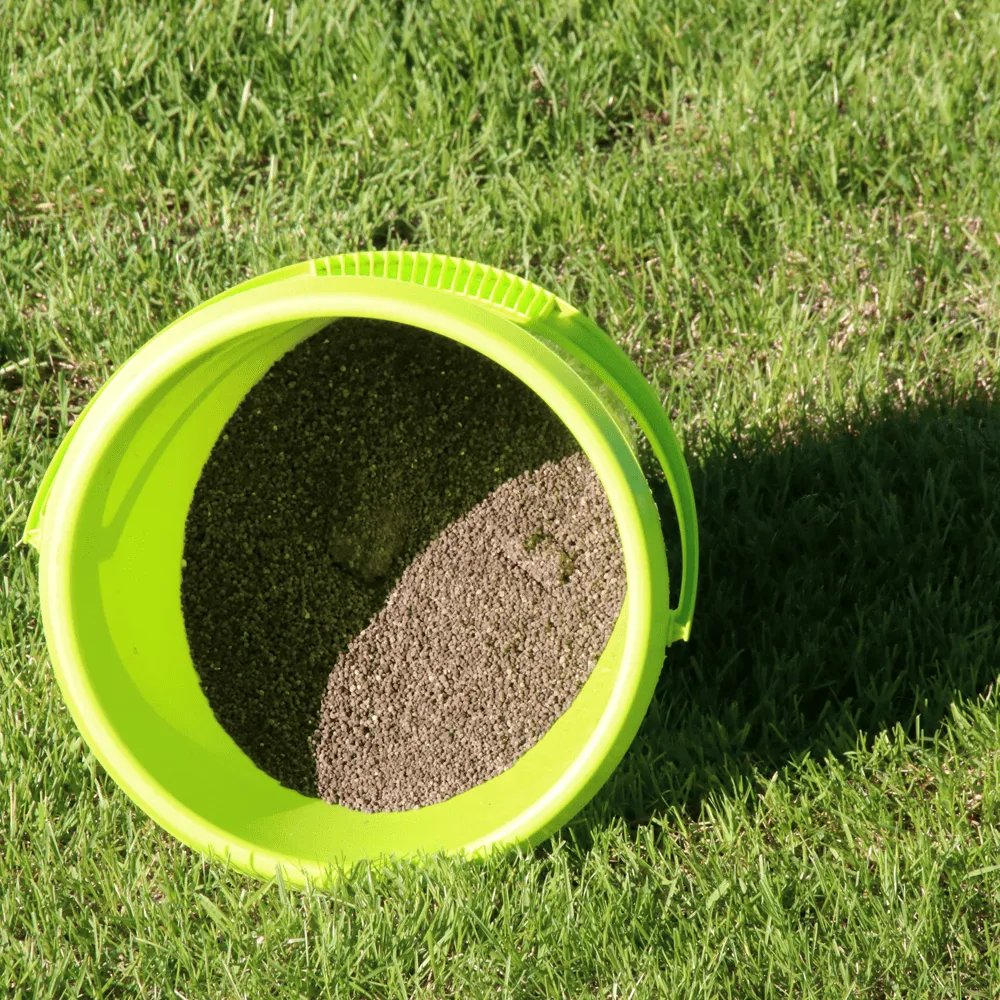
Most lawns benefit from regular feeding. Fertiliser replenishes nutrients that get washed away or absorbed over time. The key is to fertilise during your lawn’s active growing periods—typically spring through autumn.
Using a slow-release fertiliser helps maintain nutrient levels steadily over time, reducing the risk of burning your grass. Alternatively, organic fertilisers can boost long-term soil health and are especially useful for homes with pets or kids.
Fertiliser tip: Water your lawn a day or two before applying fertiliser, and again lightly after, to help nutrients reach the roots.
Aeration: Let Your Lawn Breathe
Aeration is the process of poking holes in your lawn to reduce soil compaction and allow water, air, and nutrients to reach the roots more effectively.
How often should you aerate your lawn?
- Annually: Once a year is often enough for most Aussie lawns
- High-traffic lawns: Twice a year (spring and autumn)
If your lawn feels hard underfoot, or if water pools on the surface after rain, it might be time to aerate. This is especially important for homes with kids, pets, or frequent backyard activities.
You can hire aeration tools or use a garden fork for smaller lawns. Some lawn care providers offer core aeration services as part of seasonal care packages.
Seasonal Lawn Care Breakdown
Here’s a quick overview of what to do each season:
Spring
- Mow more regularly as growth picks up
- Begin fertilising
- Spot-treat weeds before they spread
- Aerate and top-dress if needed
Summer
- Mow weekly or as needed
- Water deeply and early
- Fertilise lightly but more frequently
- Watch for signs of heat stress
Autumn
- Reduce mowing frequency
- Apply autumn fertiliser to prepare for winter
- Aerate to relieve summer compaction
- Overseed any patchy areas
Winter
- Mow sparingly
- Limit watering unless necessary
- Clear away fallen leaves or debris
- Plan for spring lawn improvements
Final Thoughts: Make Lawn Care Routine, Not a Chore
Caring for your lawn doesn’t need to be overwhelming. With the right approach and a consistent schedule, you can enjoy a healthy, green lawn that boosts your home’s appearance and feels great underfoot.
Set reminders if you need to—many Australians find that planning mowing or fertilising days ahead of time helps them stay on track, especially during the growing season.
And remember: your lawn isn’t just a patch of grass. It’s part of your home. With some regular TLC, it can be one of your property’s best features.