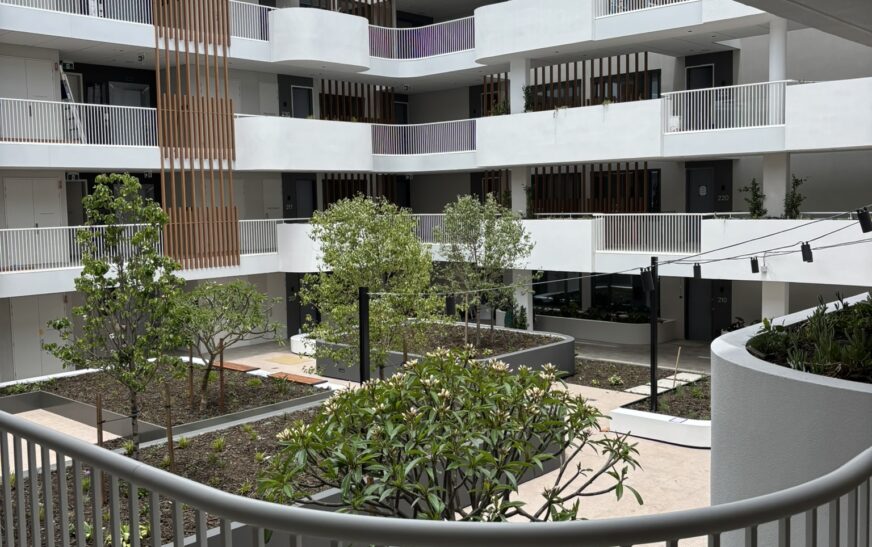

Strata buildings concentrate a lot of electrical risk into shared spaces, shared assets, and shared decision-making. When something goes wrong, it rarely stays “small”. It can affect lifts, basement ventilation, fire systems, common lighting, security access, car parks, and the residents who rely on it all every day.
Strata electrical safety audits are one of the most practical ways to get ahead of faults, reduce surprises, and keep strata electrical safety from becoming a last-minute emergency.
What Counts as an Electrical Safety Audit in Strata
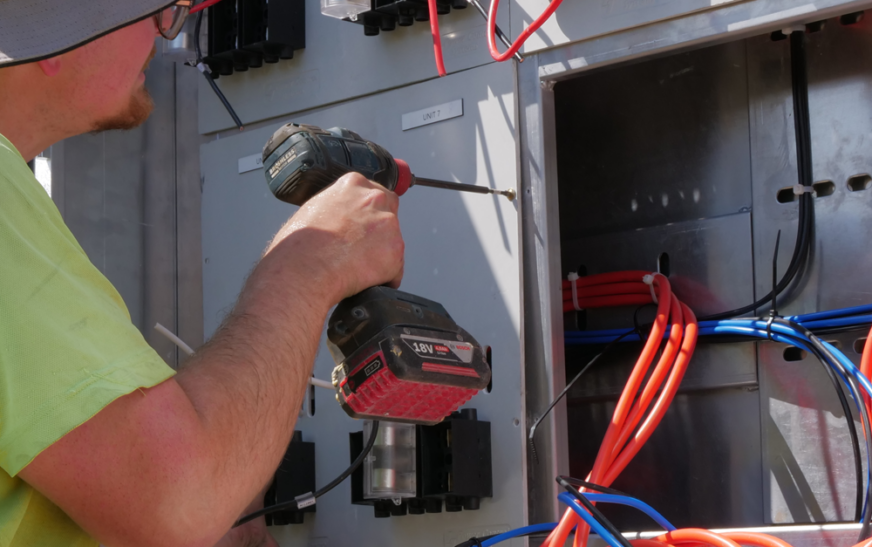
An electrical safety audit is a structured inspection and assessment of electrical assets and risk areas, with findings documented and prioritised. In strata, it usually focuses on common property systems and anything that could affect multiple lots, shared services, or compliance obligations.
Typical audit coverage includes:
- Main switchboards and distribution boards in common areas
- Meter rooms, risers, and shared cabling routes
- Emergency and common area lighting
- Earthing and bonding arrangements
- RCD protection (where applicable and relevant to the asset)
- Plant and equipment connections (pumps, fans, gates, CCTV, access control)
- Condition issues (heat damage, corrosion, water ingress, mechanical wear)
- Labels, circuit schedules, and isolation capability for safe work
An audit is not the same thing as a one-off repair call-out. It is meant to show what is currently safe, what is trending risky, and what needs action, with priorities that suit your building.
Why Strata Electrical Safety Is Different
Strata sites have a few built-in challenges that don’t show up as much in single dwellings. The first is scale. Even a small block can have multiple boards, multiple pathways, and a web of shared services. The second is access. Key assets are often in locked cupboards, ceiling spaces, service risers, basements, or plant rooms that residents rarely see.
The third challenge is accountability. Decisions are shared across committees and owners, and maintenance can be delayed when budgets are tight or when issues are out of sight. That is how minor defects become expensive incidents. A well-scoped audit supports better decisions because it replaces assumptions with evidence, and it helps keep strata electrical safety on the agenda in a calm, planned way.
The Risks That Get Missed Until Something Fails
Electrical issues in strata often develop slowly, then show up suddenly, usually at the worst time. Heat, vibration, moisture, pests, and poor ventilation all add up. A safety audit helps catch these patterns before they cause outages, damage, or hazards.
Common risk drivers include:
- Ageing infrastructure that has outlived its expected service life
- Defect backlogs that compound over years
- Upgrades layered on upgrades (especially security, access, EV charging, solar)
- Unauthorised or poorly documented changes over time
- Water ingress from storms, leaking services, or basement seepage
- Corrosion in coastal environments and humid plant rooms
Even when residents do not notice a problem, heat at terminals, brittle insulation, or compromised enclosures can already be present. That is why audits matter even when everything seems to be working.
Where Audits Find Problems Most Often
Strata buildings tend to have repeat hotspots. This does not mean your building is “bad”, it just reflects how common property electrical systems are used and maintained.
Auditors frequently focus attention on:
- Main switchboards: signs of overheating, outdated protection, poor segregation, or access issues
- Meter rooms: cable crowding, missing labels, damaged covers, and unsafe storage
- Plant rooms: moisture, corrosion, and mechanical damage near pumps and fans
- Car parks: impact damage, exposed conduits, and lighting faults in harsh conditions
- Roof spaces: UV exposure, heat stress, and poorly supported cabling
- Common lighting circuits: overloaded runs, failing fittings, or unsafe temporary fixes
An audit report that ranks these issues by risk and urgency makes budgeting and scheduling far easier than dealing with random failures one at a time.
How Audits Help You Spend Smarter, Not Just Spend More
Committees and strata managers are often balancing competing priorities, and electrical work can feel like a bottomless pit if it is handled reactively. Audits change that by giving you a plan you can defend, stage, and fund sensibly.
A good audit output should help you:
- Separate immediate safety risks from maintenance improvements
- Bundle related fixes into a single scope (less site time, fewer call-outs)
- Identify quick wins that reduce risk without major works
- Forecast medium-term upgrades so levies and sinking funds are not blindsided
- Decide what can be repaired versus what must be replaced
- Align electrical works with other projects (painting, waterproofing, fire services access)
This is where strata electrical safety becomes a financial strategy as well as a safety obligation. Planned work usually costs less than emergency work, and it is easier to coordinate around residents.
Compliance, Liability, and Insurance Factors
Strata committees are not expected to be electricians, but they are expected to take reasonable steps to manage known hazards on common property. An audit helps demonstrate that you are identifying risks and acting on them in an organised way.
Practical benefits for governance and risk management include:
- A documented record of inspection and recommendations
- Clear prioritisation to justify staged expenditure
- Evidence of action taken on high-risk defects
- Improved contractor briefings, reducing the chance of incomplete work
- Fewer avoidable outages or incidents that lead to disputes
Insurance outcomes depend on the policy and the incident, but good maintenance records and clear evidence of follow-up work can help show what was known, what was done, and when. That can reduce confusion and friction if an incident triggers a claim or investigation.
Key Takeaways
Electrical safety audits are one of the most practical tools a strata community has to reduce risk, control costs, and avoid disruptive failures. They work best when the scope fits the building, the report ranks actions sensibly, and the committee follows through with staged remediation.