
Swapping out old plant and adding “smarter” controls sounds straightforward until it is happening in a live building, with real occupants, real schedules, and a long list of systems that all have to play nicely together. HVAC and BMS work is less like buying a new appliance and more like rewiring a building’s nervous system.
When it is done well, the site runs smoother and complaints drop. When it is done poorly, you get ongoing faults, endless call-backs, and a building team stuck in manual overrides.
Professional Upgrades Are About Risk Control, Not Just New Equipment
A professional approach is not simply “more careful” installation. It is structured risk control across design, safety, programming, commissioning, and handover. The main payoff is avoiding operational pain that can drag on for months after practical completion.
Common risks a professional team actively manages include:
- Unplanned downtime (especially during changeovers and cutovers)
- Safety and compliance issues (electrical isolation, access, working at heights, live plant rooms)
- Warranty problems caused by incorrect installation or undocumented modifications
- Comfort failures (hot and cold spots, poor ventilation, unstable temperatures)
- Hidden integration issues between mechanical, electrical, and controls systems
HVAC and BMS Are One System in Practice
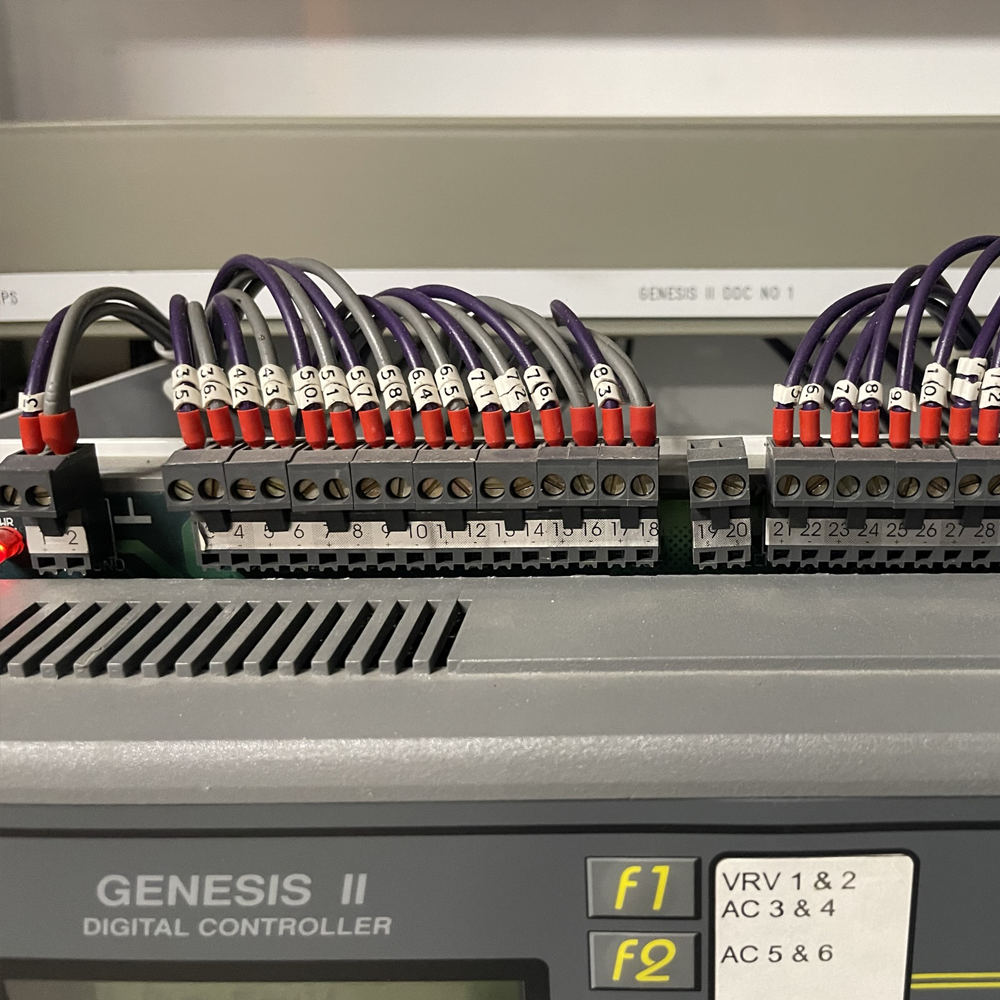
People often talk about HVAC and BMS as separate line items, but on a working site they are tightly linked. HVAC hardware delivers heating, cooling, and ventilation. The BMS decides when, how hard, and in what sequence that hardware runs. If either side is treated as an afterthought, performance suffers.
A professional team plans the whole control chain, including:
- Sensors and their placement (temperature, CO₂, humidity, pressure)
- Actuators and control devices (valves, dampers, VSDs)
- Control sequences (start/stop, staging, lockouts, resets)
- Alarms and trend logs (what matters, what is noise)
- Graphics and operator workflows (so the site team can actually run it)
This is why “quick system upgrades” can turn into drawn-out headaches when the scope focuses on swapping hardware but ignores how the building will operate day to day.
What Goes Wrong When Upgrades Are Done Cheap or In-House
It is tempting to think the existing team can “handle the upgrade” or that any contractor can install gear and walk away. The trouble is that HVAC and BMS issues are often delayed-action problems. They do not always show up on day one, they show up when seasons change, occupancy ramps up, or a site team tries to operate the system under pressure.
Typical failure patterns include:
- Equipment runs, but the control logic is wrong (short cycling, hunting, unstable zones)
- Setpoints and schedules are copied from old systems without matching new capacity or layouts
- Critical interlocks are missed (pumps, chillers, safeties, fire mode interfaces)
- Sensors are installed in poor locations, leading to bad decisions by the controls
- Trend logs are not set up, so faults become guesswork
- Alarms are too noisy, so operators ignore them, including the important ones
- Graphics look fine, but points are mislabelled or mapped incorrectly
- BMS integration is partial, leaving operators to bounce between platforms
The end result is often more maintenance time, more reactive call-outs, and frustration from occupants who just want stable comfort.
Live Sites Need Staging, Shutdown Planning, and a Clear Changeover Plan
Doing upgrades in a live building is not the same as working on an empty construction site. Schools, campuses, retail, healthcare, and multi-tenant buildings have tight constraints, and HVAC downtime is felt immediately.
A professional delivery method usually includes:
- Detailed shutdown windows agreed in advance
- Staged cutovers to keep critical areas operational
- Temporary services where needed (spot cooling, staged plant changeover)
- Clear isolation procedures and permit coordination
- Noise, dust, and access planning so daily operations can continue
On a live school site, for example, you cannot just “turn it off and see what happens”. Professional planning is what keeps disruption low while still delivering a proper outcome.
Electrical and Controls Interfaces Are Where Risk Hides
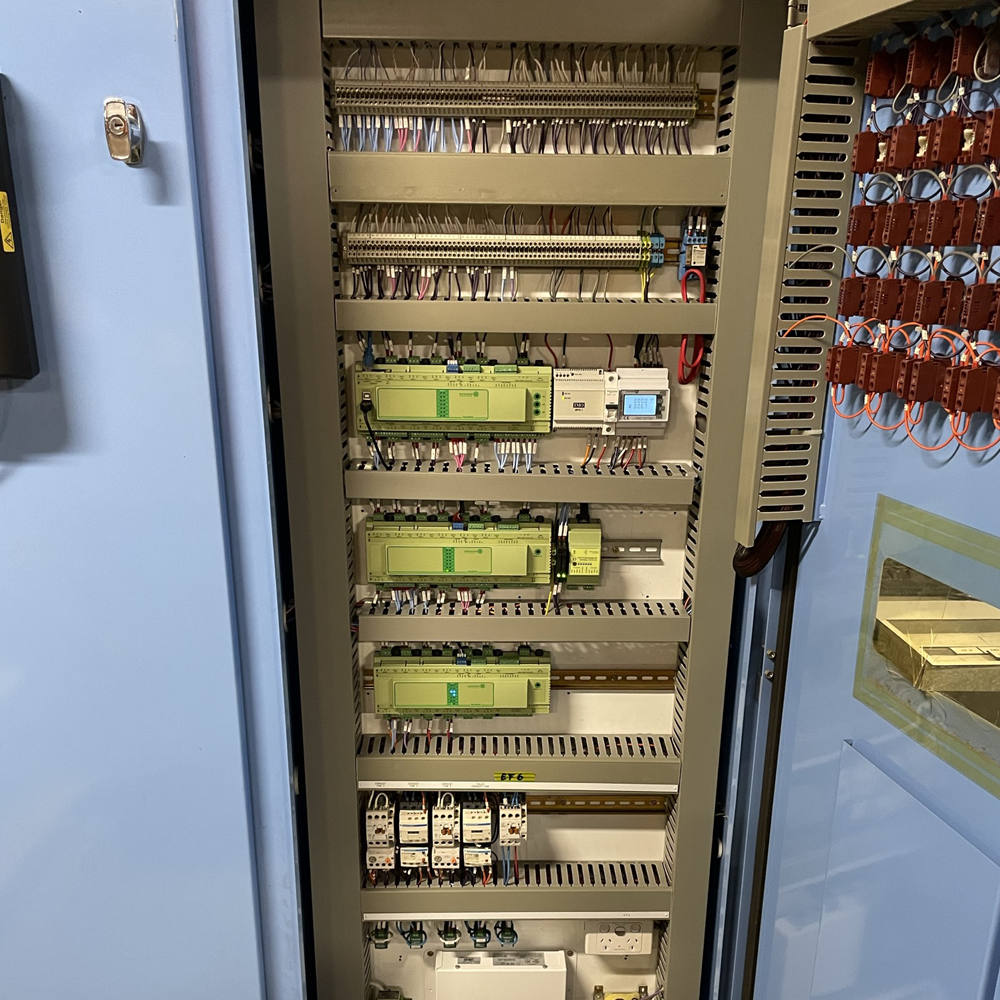
HVAC upgrades are full of electrical and controls interfaces that can bite later if they are rushed. New plant often needs new power arrangements, upgraded protections, correct earthing, and verified interlocks. Controls upgrades also introduce network and communications dependencies that need structured design, not guesswork.
Professional teams typically pay extra attention to:
- Switchboards and protections (capacity, discrimination, correct labelling)
- VSD installation and programming (including minimum speeds and safeties)
- Interlocks between plant items (proof-of-flow, run status, fault feedback)
- Interfaces with fire systems or smoke control requirements where applicable
- Cable management, segregation, and proper commissioning tests
These details matter because they are hard to diagnose after the fact, and failures can be intermittent and expensive.
Final Thoughts
Professional delivery is not about making an upgrade feel “premium”. It is about ensuring the building runs reliably, the site team can operate it without constant intervention, and the investment does not turn into ongoing rework. HVAC and BMS are operational systems, not set-and-forget purchases, so the method of delivery matters as much as the equipment selection.