
Warm weather is when lawns can look their best, and also when problems can hit hardest. Pests are more active, grass is growing (and being mown) more often, and watering keeps the turf softer and easier to feed on. The result is a tricky mix: some pest activity is basically cosmetic, while other infestations quietly wreck roots or strip leaf blades so fast the lawn seems to collapse overnight.
So, if you are aiming for doing Australian lawn care the right way, here’s a few things you should know.
Why Warm Weather Brings Pest Pressure
Warm conditions speed up insect activity, and irrigated lawns can stay inviting even through hot spells. When nights stay mild, many pests feed longer, reproduce faster, and spread across the yard with fewer natural slowdowns.
A few practical factors tend to stack the deck in summer:
- Regular watering that keeps turf lush and palatable
- Thicker growth and thatch that gives insects cover
- Heat stress that reduces the lawn’s ability to recover
- Increased mowing, which can scalp or thin areas if timing is off
This is where good Australian lawn care habits pay off, because they reduce both pest pressure and the lawn stress that makes damage look worse than it needs to.
What “Harmful” Actually Means in Turf Terms
“Harmful” is not just brown patches. The real harm is when pests change the lawn’s structure or recovery speed. A lawn can tolerate some chewing or sap-sucking if roots are strong and growth is steady. It struggles when pests target the parts that keep the plant alive through heat.
The most important turf impacts are:
- Root loss, which reduces water uptake and heat tolerance
- Crown damage (the growth point), which slows regrowth after mowing
- Thinning, which invites weeds and dries the soil faster
- Patchy dieback, which often needs repair rather than simple recovery
Cosmetic damage is annoying, but usually reversible. Structural damage can mean weeks of recovery, or new turf in the worst cases.
The Three Damage Styles That Decide How Serious It Is
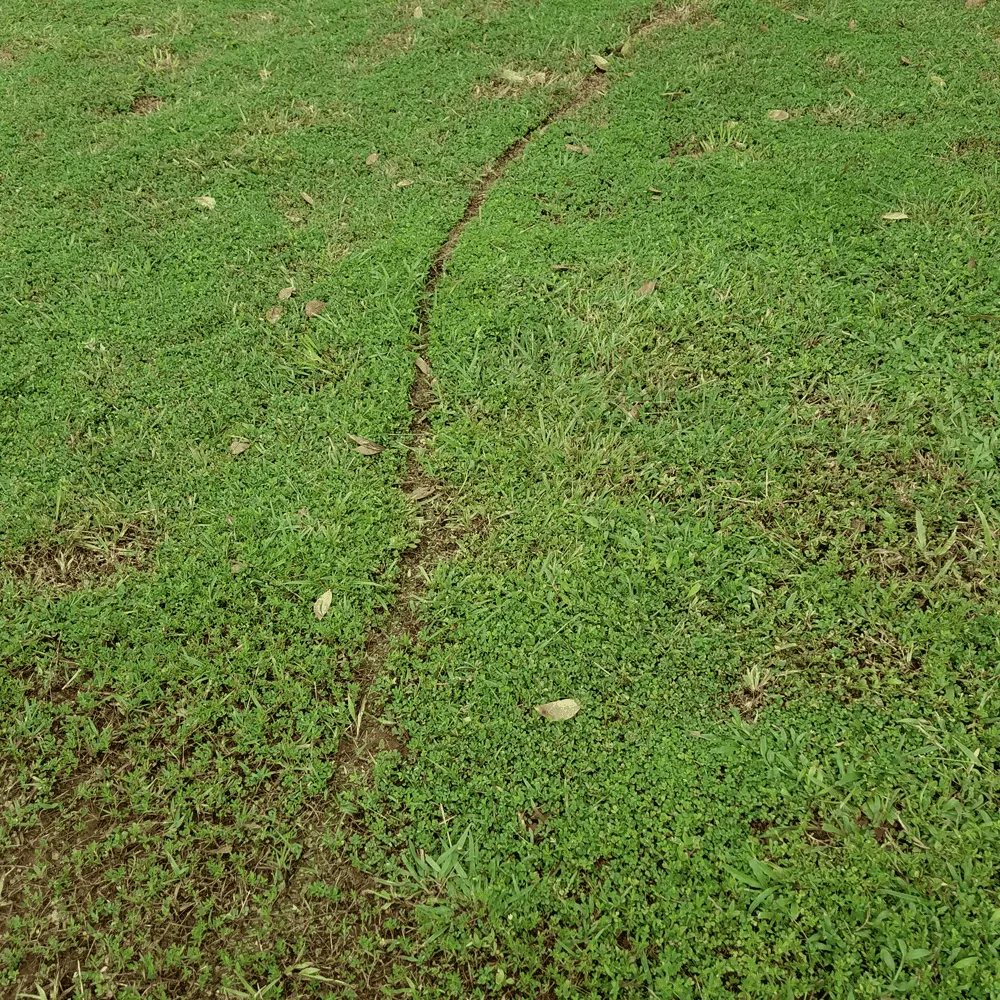
Warm-weather lawn pests generally fall into three “damage styles”. Knowing which one you are dealing with helps you judge risk quickly.
Leaf Chewers: Fast, Visible, and Sometimes Brutal
Chewers remove leaf tissue. That sounds superficial, but it can be severe because the lawn loses its ability to photosynthesise and cool itself.
Common signs include:
- Ragged or notched leaf blades
- Pale scraped areas that look like the mower went too low
- Droppings (frass) sitting on the surface
- Birds hunting along the damaged edges
Chewers can be extremely harmful if numbers are high because damage spreads quickly, especially in well-watered lawns.
Root Feeders: Quiet Damage with Big Consequences
Root feeders are often the most harmful long-term because they attack the lawn’s support system. The top growth may look only “a bit off” right until a hot day finishes it.
Common signs include:
- Spongy turf underfoot
- Yellowing that becomes brown even with watering
- Turf that lifts easily, with short or missing roots
- Birds digging and tearing patches while hunting larvae
Root loss is a high-risk situation in summer, because the lawn cannot keep up with heat and mowing.
Sap Suckers and Tiny Feeders: Patchy, Confusing, and Stress-Related
Some pests are small enough that you rarely see them, but their feeding changes how grass grows. This can look like tufts, bunching, or distorted tips, especially on certain turf types.
Common signs include:
- No obvious chewing, but uneven or bumpy growth
- Localised patches that do not “march” across the lawn quickly
- Symptoms worse after hot winds or missed watering
- Turf stays anchored (it does not lift like grub damage)
These can be harmful, but they are also easy to confuse with mowing, compaction, or watering issues, so diagnosis matters.
How Fast Can Warm-Weather Pests Ruin a Lawn?

Speed is one of the best ways to judge danger. Some infestations are slow burns, others are rapid.
As a rule of thumb:
- Leaf chewers can cause noticeable decline in days if numbers are high. Overnight feeding adds up fast, and the lawn can look scalped without a mower ever touching it.
- Root feeders can take longer to show, but once the root system is compromised, a single hot stretch can trigger sudden browning and dieback.
- Sap suckers often sit in the middle, slower spread, but stubborn symptoms if stress factors are not fixed.
If you are seeing daily change, treat it as urgent. If the lawn looks similar across a week, you have more time to confirm the cause and respond calmly.
Key Takeaways
Warm-weather lawn pests range from mild annoyance to serious turf killers, and the difference is usually the damage style and speed. Leaf chewers can strip lawns quickly, root feeders can undermine the turf until heat finishes it off, and tiny sap-feeders often overlap with stress and mowing issues. The most useful question is “What is the lawn losing?”, leaf tissue, roots, or healthy growth patterns.