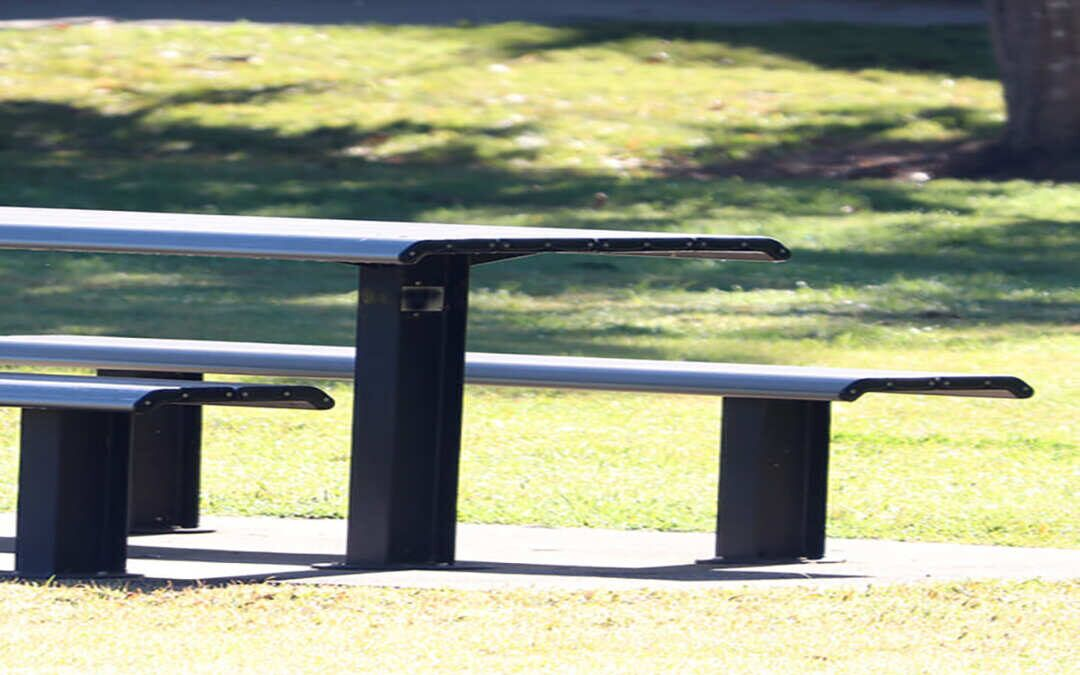

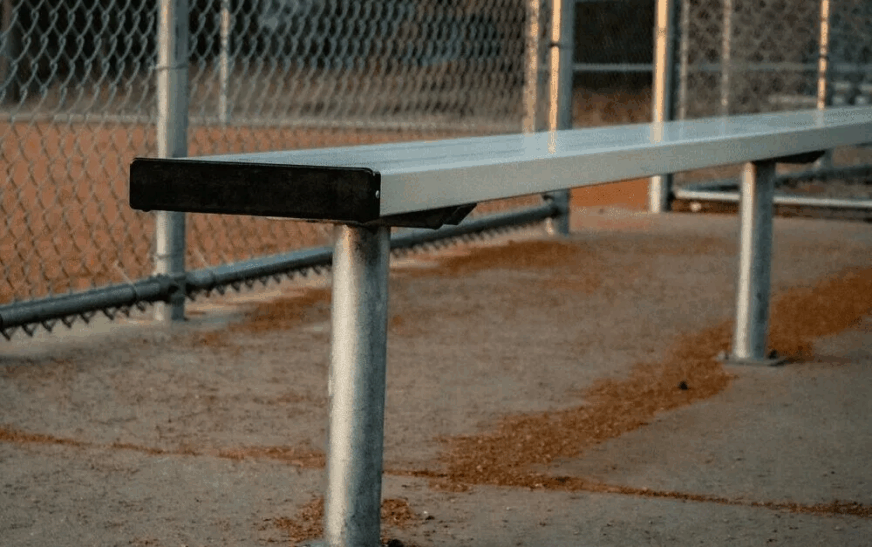
Outdoor seating has a tough job in Australia. It needs to handle heat, UV, rain, salt air, and regular use without turning shabby or unsafe. This guide weighs up whether aluminium benches are the best pick for parks, schools, sports clubs, councils, hospitality, and commercial sites. You will get a plain-English look at performance, maintenance, cost of ownership, sustainability, and design flexibility so you can decide with confidence.
The Short Answer
If you want a strong mix of durability, low maintenance, weather resistance, and modern styling, aluminium benches are very hard to beat. They hold up across Australian climates, do not rot or rust in normal use, clean easily, and can be made in many sizes and finishes. They are not the cheapest upfront in every case, and they are not as heavy as concrete or steel, but for most everyday outdoor seating needs, aluminium benches deliver the best overall value.
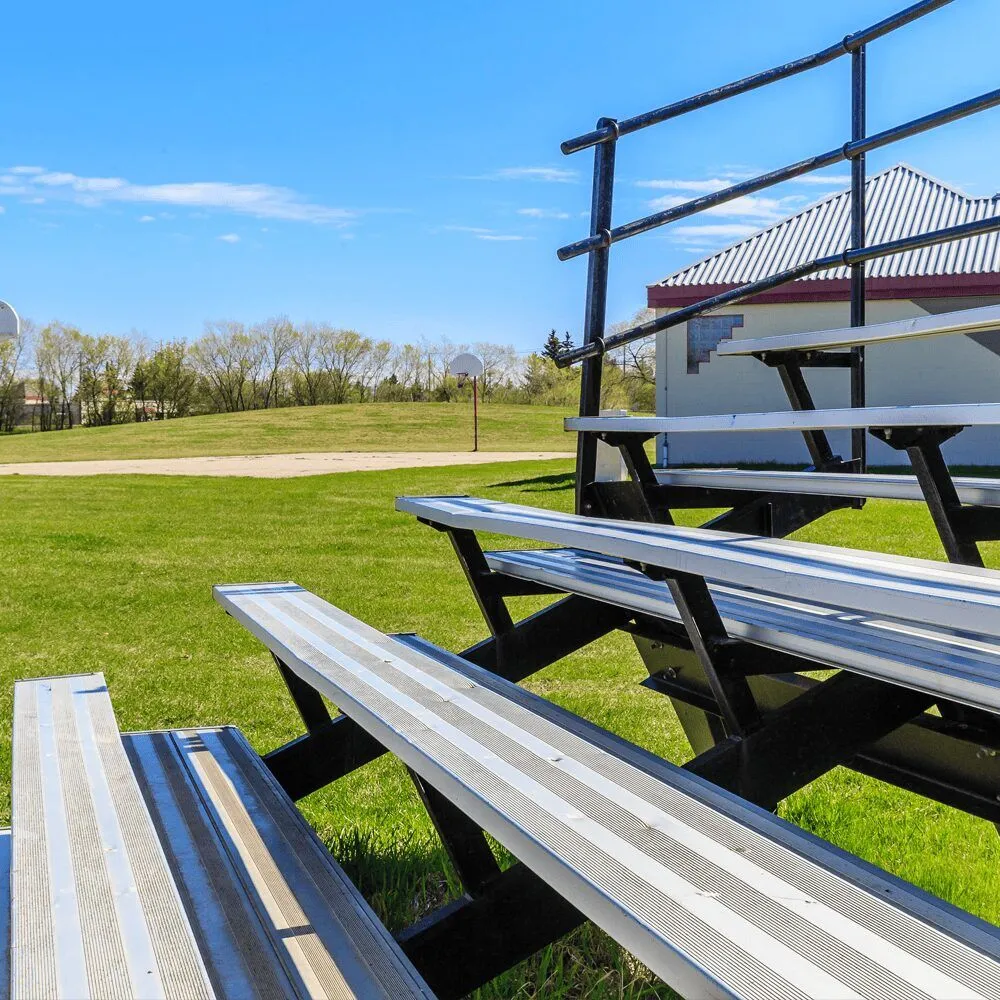
What Matters Most for Outdoor Seating
Before comparing materials, it helps to clarify the decision criteria. These are the factors that most buyers care about when choosing outdoor seating for public or commercial spaces.
- Weather and corrosion resistance across hot summers, wet winters, and coastal air
- Strength and structural stability for daily use and occasional rough treatment
- Safety, with smooth edges, sturdy fixings, and anti-tip design
- Maintenance effort, including cleaning, repainting, and repairs
- Whole-of-life cost, not just the first invoice
- Aesthetic flexibility to suit different sites and branding
- Sustainability and recyclability at end of life
- Lead times, local support, and spare parts availability
How Aluminium Benches Perform Against Those Criteria
Aluminium benches do well in Australian conditions because aluminium forms a thin oxide layer that helps resist corrosion. With quality powder coating or anodising, that protection improves further. The metal is light compared to steel or concrete, which makes transport and installation simpler, yet well-designed frames are still rigid and safe when fixed correctly. Day-to-day care is minimal. A simple wash with mild detergent usually brings the surface back to near new, even after sunscreen, food spills, or bird droppings.
Aluminium vs Other Common Materials
Every material has trade-offs. Here is what typically happens in real settings.
- Aluminium vs Timber – Timber looks warm and familiar, but it needs regular sanding, sealing, and repairs. In full sun and rain, boards can split or warp. Termites and rot are risks in some regions. Aluminium benches avoid those issues and keep a cleaner line over time.
- Aluminium vs Steel – Steel is strong and heavy, which helps with vandal resistance. The drawback is rust if coatings are damaged or edges are left unsealed, especially near the coast. Aluminium benches resist corrosion better and are easier to handle on site. With proper anchoring, they are secure enough for most public spaces.
- Aluminium vs Concrete – Concrete benches are extremely robust and hard to steal. They are also heavy, cold to the touch in winter, and hot in summer. Repairs and relocation are awkward. Aluminium benches strike a more comfortable balance of temperature, comfort, and install flexibility.
- Aluminium vs Recycled Plastic – Recycled plastic is low maintenance and environmentally positive. It can, however, feel soft, bow under load if spans are long, and heat up in direct sun. Aluminium benches give a crisper profile, better structural performance for long spans, and wider finish options.
Design Flexibility and Aesthetics
Outdoor areas vary from heritage town centres to contemporary foreshore precincts. Aluminium benches are easy to tailor to both. You can specify lengths, backrests or backless forms, armrests for accessibility, slatted or solid seats, and powder coat colours that match local palettes or school colours. Profiles can be rounded for comfort and safety, with anti-pinch gaps between slats. Because the frames are accurate and stable, alignment across a long run looks neat, which matters in public spaces where first impressions count.
Comfort And User Experience
People sit longer when seating feels comfortable and safe. Aluminium benches handle comfort in three ways. First, slat spacing allows airflow and quick drying after rain. Second, edge profiles can be rounded to avoid pressure points behind the knees. Third, backrests and armrests can be placed at practical heights to support people standing up or sitting down. In hot regions, lighter powder coat colours reduce heat absorption, which helps comfort on peak summer days.
Safety, Anchoring, and Vandal Resistance
Public seating must stay put and stand up to rough treatment. Aluminium benches can be surface mounted or in-ground mounted using galvanised or stainless fixings. Anti-tamper hardware and concealed fasteners reduce interference. End caps and closed sections remove sharp edges and catch points. When a bench is designed with a low, wide base and correct anchoring, tip risk is low. For high vandalism sites, you can specify thicker sections and extra bracing without adding much maintenance burden.
Cleaning and Maintenance
Maintenance is where aluminium benches shine. A quick hose and a mild detergent remove most grime. Powder coat finishes resist peeling and do not require regular painting if cared for properly. For gum or stickers, a gentle solvent recommended by the finisher usually does the trick. No oiling, sealing, or stain matching is required. Over five to ten years, that saves labour and reduces downtime compared to timber programs.
Cost of Ownership
Upfront price is only part of the story. Consider installation, maintenance hours, coatings, and replacement cycles. Aluminium is light, so you may save on delivery and lifting gear. It also needs fewer maintenance visits, which matters for councils and schools with tight budgets. Whole-of-life costs tend to favour aluminium benches because they keep their appearance longer and avoid intensive refinishing.
Performance In Harsh Australian Environments
Australia’s climate is varied, and seating sees everything from red dust to salt spray. Aluminium benches are well suited to:
- Coastal areas where salt can trigger rust on steel and swell timber finishes
- Regional towns with high UV that fades paint and dries timber boards
- Tropical zones with humidity and frequent storms
- Arid regions where dust and temperature swings challenge coatings
Select quality powder coating with UV-stable pigments, specify marine-grade fasteners for coastal sites, and choose designs that shed water. With those basics in place, aluminium benches remain steady performers.
Sustainability and End-Of-Life
Aluminium is highly recyclable, which supports circular design. Powder coating is durable, so you are not stripping and reapplying coatings every year. Lighter weight reduces transport emissions per unit. When you factor in longer service life and simpler upkeep, aluminium benches contribute to a lower environmental footprint over time.
When Aluminium May Not Be the Best Choice
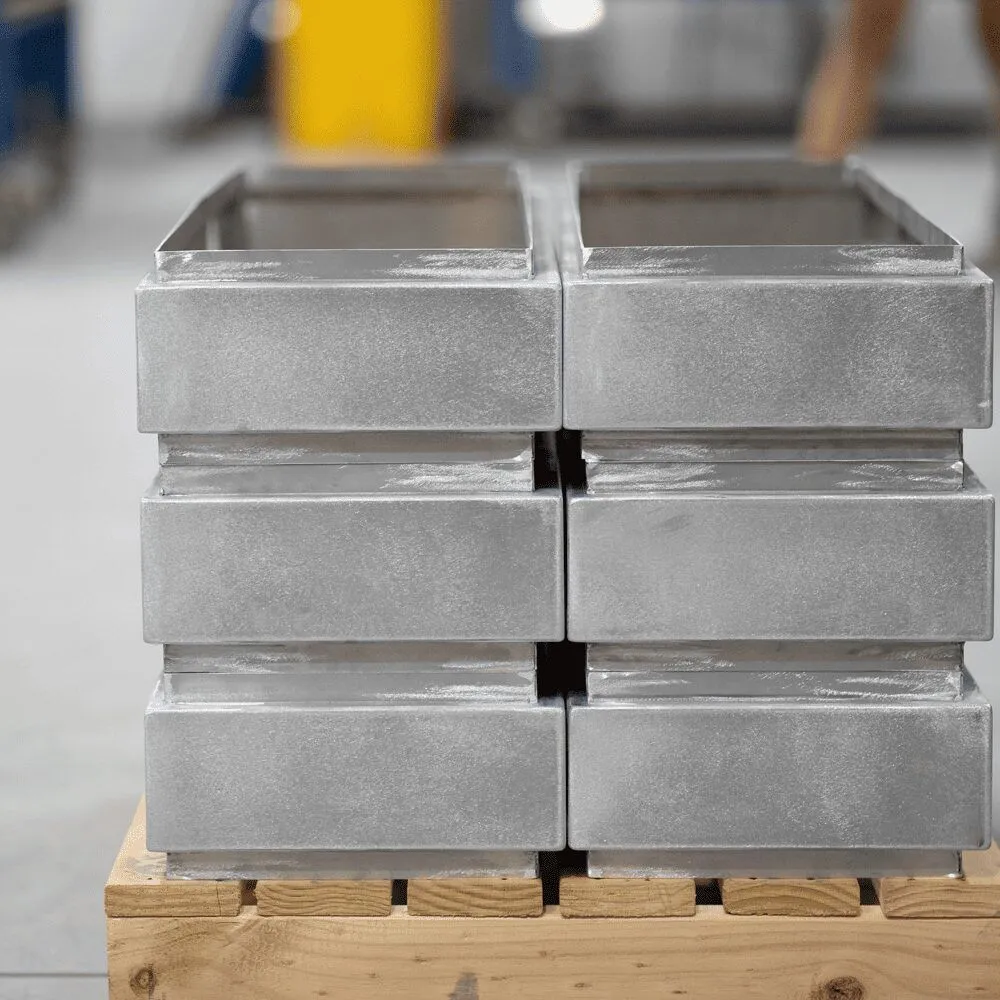
For some sites, other materials are still better. If you need extreme mass to deter theft without anchoring, concrete may be safer. If you must match heritage timber exactly in a conservation area, real hardwood might be required by guidelines. If you need ultra-heavy anti-ram street furniture, steel or concrete is typical. These are specific cases. For general community seating, aluminium benches remain the most versatile starting point.
Final Pointers for a Smooth Install
To wrap up, here are simple steps that make the difference between a good result and a great one.
- Ask for technical drawings with dimensions and baseplate details
- Confirm slab thickness and reinforcement at each mounting point
- Lay out benches on site before drilling to check sightlines and spacing
- Use the fasteners specified by the manufacturer, not whatever is on hand
- Record colours, batch numbers, and supplier contacts for future orders
- Schedule a quick annual clean and inspection to protect your warranty
Aluminium benches have become the default choice in many Australian outdoor projects because they do the basics well and keep doing them for years. If you want seating that looks sharp, handles the weather, and stays low-maintenance, aluminium benches are a safe and sensible decision.