
A cut stem starts losing condition the moment it’s harvested. The cool room is what slows that down, and plenty of Australian growers still rely on ageing HFC plant to do the job.
An updated CO2 refrigeration system gives flower, foliage and potted plant businesses tighter temperature control and a refrigerant that isn’t being phased out. Stock that leaves the cool room in good condition holds its value through freight and onto the market floor.
Why Old HFC Plant Is Becoming a Liability for Growers
Old HFC plant is becoming a liability because refrigerant supply is shrinking on a fixed schedule, so leak repairs and top-ups keep getting dearer. Australia’s HFC phase-down started in 2018 and cuts permitted imports to 15 per cent of baseline by 2036.
- Refrigerant prices rise as import quotas tighten, and a major leak in peak season gets expensive quickly.
- Anyone handling the gas needs a refrigerant handling licence issued by the Australian Refrigeration Council.
- Older plant without leak detection can lose charge gradually, with the first sign often a warm room.
- Parts for discontinued compressors and controllers get harder to source, which stretches repair times.
A failed compressor in the week before Mother’s Day shows how fast these costs stack up. The gas bill tends to arrive alongside a cool room full of lost stock.
Growers running older plant also carry a planning problem. Every year of delay pushes replacement closer to the tail end of the phase-down, when gas is at its scarcest.
How Temperature Precision Affects Vase Life and Export Quality
Temperature precision protects vase life because most temperate cut flowers deteriorate quickly once they’re held above 1 to 2°C. Older systems with wide swings let stock cycle through damaging conditions without anyone noticing.
- Separate evaporator circuits can hold different setpoints, all served by one compressor rack.
- The controls keep each part of the plant running in the right order and at the right temperature.
- Continuous temperature logging gives exporters a record to share with freight agents and importers.
- Fast pull-down supports forced-air pre-cooling, so field heat comes out soon after harvest.
Roses and carnations generally store at 0 to 2°C with 90 to 95 per cent humidity. Anthuriums and many tropical foliage lines suffer chilling injury below about 13°C. A single packhouse often holds both, which is where separate circuits earn their keep.
Display readings can also mislead. A room showing 2°C can still run warmer near the door, where forklift traffic lets heat in. Properly placed probes and variable-speed evaporator fans narrow that gap.
What Happens to a CO2 System When the Power Goes Out
During an outage, the CO2 inside the plant warms and its pressure climbs, so the system needs standby cooling to hold its charge. It’s an easy detail to miss when comparing quotes.
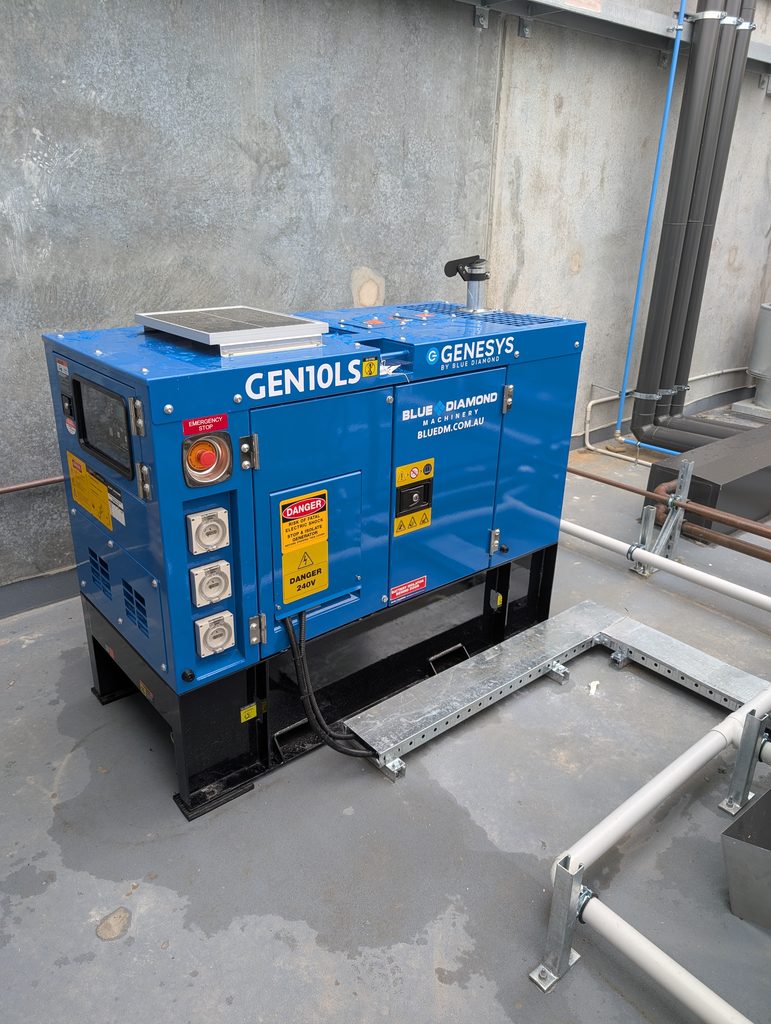
- The design should include a standby condensing unit with a reliable power source.
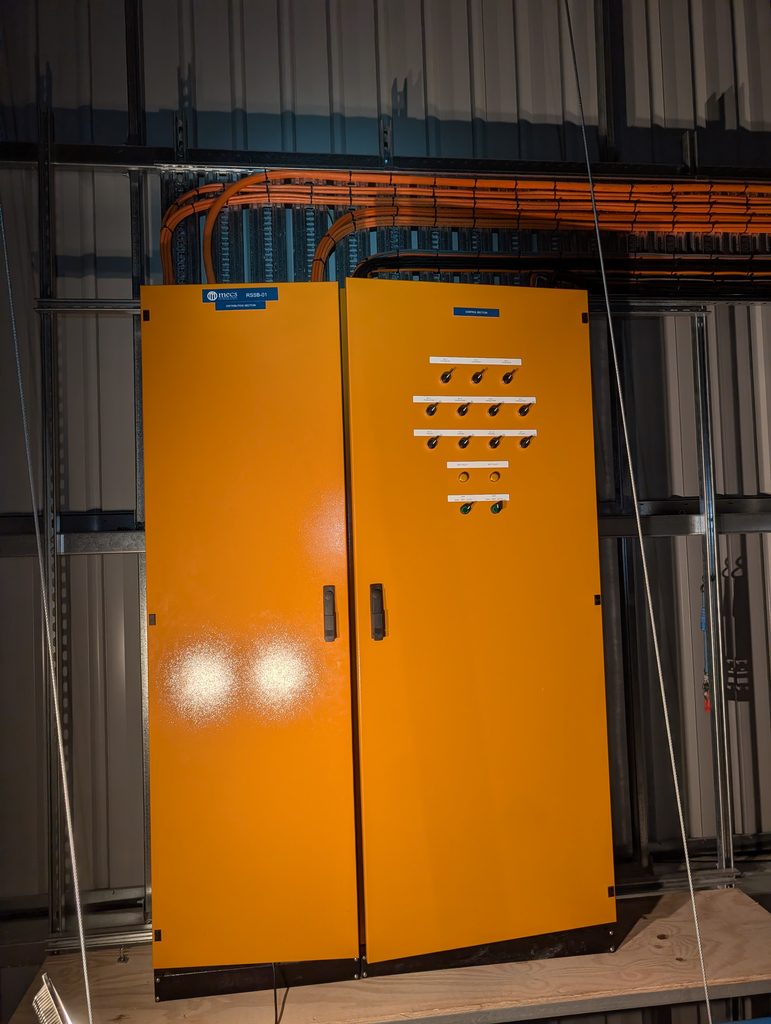
- The switchboard needs generator changeover capacity for essential loads.
- The controls should bring the plant back online in the right order once power returns.
At 30°C ambient, CO2 sits at around 72 bar at standstill. Low-side components usually aren’t rated for that, so relief valves open and release the charge. The plant then stays down until it’s recharged, often during a summer storm when stock’s most exposed.
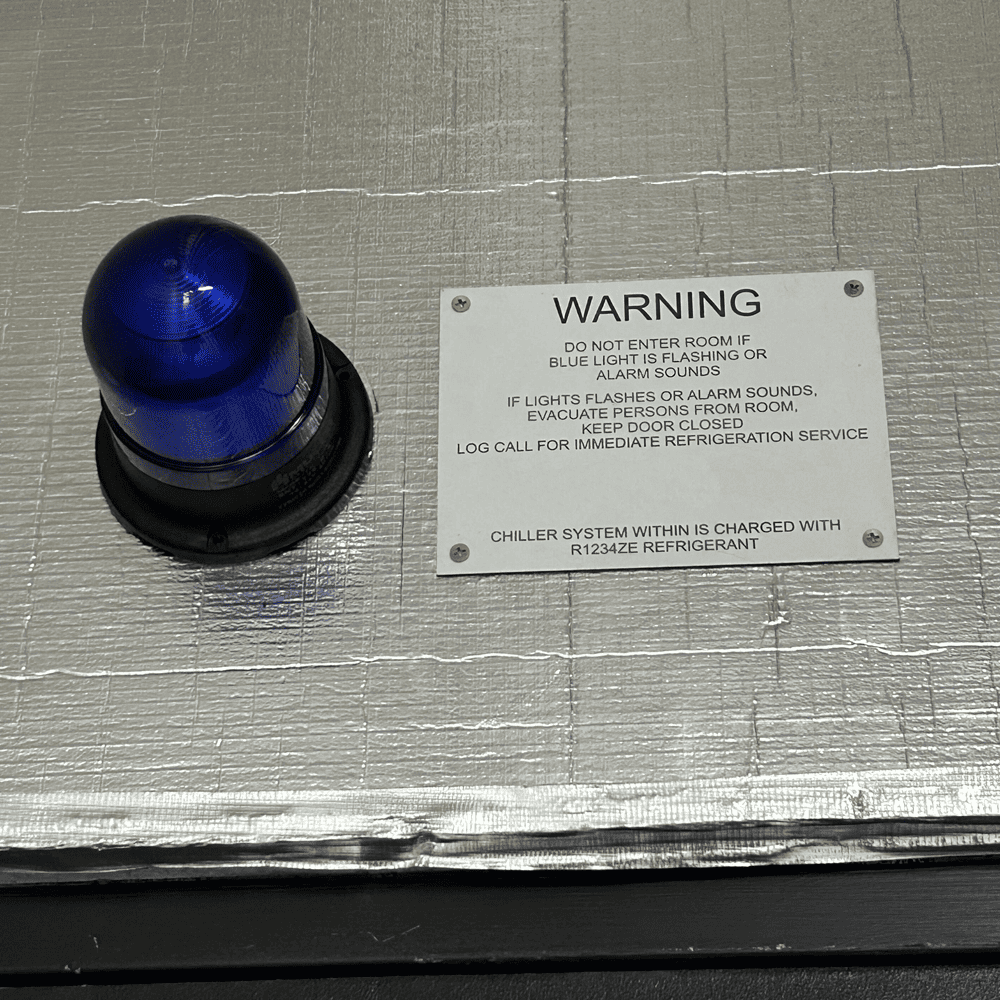
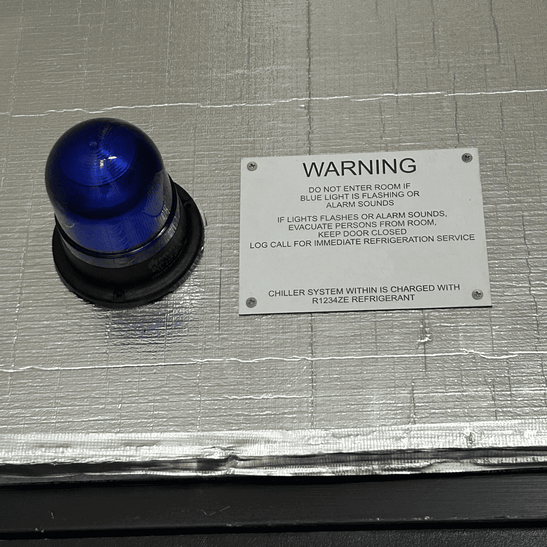
Released CO2 also needs a safe discharge path outdoors. Any release inside an enclosed cool room creates the same hazard that gas detection is designed to catch.
Regional sites on rural feeders tend to see more outages. Standby cooling carries more weight there.
Can a CO2 System Cope with Australian Summers?
Modern transcritical CO2 plant handles Australian heat, though efficiency drops on very hot days unless the design includes warm-climate features. Early installations struggled in warm regions, and the industry has since engineered around most of those limits.
- Parallel compression handles flash gas more efficiently.
- Ejectors recover energy that’s normally lost during expansion.
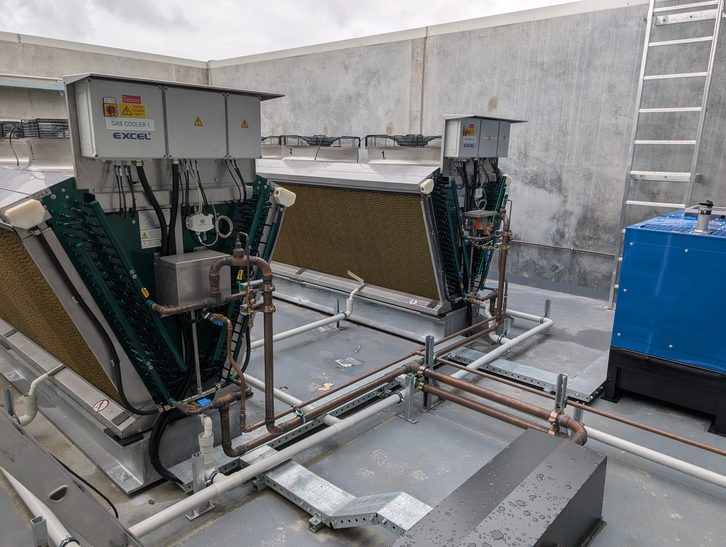
- Adiabatic gas coolers pre-cool incoming air with water on hot afternoons.
A large WA grower and exporter of cut flowers, foliage and pot plants commissioned a transcritical CO2 system at its site in 2026. The job included switchboards, power supplies, controls and CO2 detection alongside the refrigeration plant. It’s a major exporter backing the technology in a state known for hot summers.
Gas cooler sizing largely decides running costs in hot regions. Undersizing it to save on capital tends to show up in every January power bill.
Frequently Asked Questions
Is CO2 Refrigeration More Expensive to Run Than HFC Systems?
Not necessarily, and in cooler climates CO2 plant can run more efficiently than HFC systems. It spends more of the year running subcritically, which is where it performs best. In hot climates, running costs depend heavily on gas cooler sizing and warm-climate features.
Can an Existing Cool Room Be Converted to CO2?
Partly, because the room structure and insulated panels can usually stay. The compressor rack, pipework and evaporators generally need replacing, since CO2 runs at much higher pressures than HFC plant. It’s rarely a drop-in swap.
How Long Does a Transcritical CO2 System Last?
There’s no fixed figure, as service life depends mainly on maintenance and operating conditions. Gas detectors need periodic calibration, and pressure relief valves need scheduled inspection and replacement. The refrigerant itself faces no phase-down, so gas supply won’t limit the plant’s life.
Final Thoughts
Updated CO2 refrigeration protects stock value for flower, foliage and potted plant businesses and removes exposure to the HFC phase-down. Ageing HFC plant faces rising gas costs and growing parts shortages.
A well-specified CO2 refrigeration system brings tighter temperature control and a refrigerant with no phase-down date. Growers who get the most from it tend to sweat the details others skip, particularly standby cooling and gas detection.