
Effective autumn lawn care shifts the focus from rapid leaf growth to building dense underground root reserves. Most trade professionals reckon the real work happens below the surface before cold weather sets in. Dealing with soil compaction early pays massive dividends down the track. Hard-packed dirt starves root systems of essential oxygen.
Many domestic yards cop a hammering from heavy foot traffic and heat stress over summer. Autumn represents the primary recovery window for these spaces. It’s the period for repairing structural soil damage before ground temperatures drop below 14 degrees Celsius. When temperatures fall further, warm-season varieties like Couch and Kikuyu simply stop taking up nutrients.
Assessing Turf Health Before Winter
Checking turf vitality in April dictates the required nutrient load before cold weather halts all biological activity. A proper visual inspection reveals exactly what the grass needs to survive the dormant phase. Blanket feeding without assessing current health wastes expensive product. Ground staff look for specific indicators of stress.
These visual signs tell the real story of summer damage. Experienced operators don’t just guess what the lawn requires. They pull a soil core instead. A standard 150mm soil probe extracts enough material to check root depth and moisture penetration.
If roots sit entirely in the top 20mm, the lawn has a serious structural problem. Shallow roots mean the grass struggles heavily during winter dormancy. Professional maintenance teams assess these core samples to build a targeted recovery program. They map out the weak areas for immediate remediation.
Fixing Soil Compaction and Drainage Issues
Relieving hardened ground ensures root systems can absorb moisture and nutrients over the colder months. Heavy soil compaction directly causes weak winter growth. Core aeration physically removes plugs of dirt to open up the soil profile.
- A quick fix for surface tension involves using solid-tine aerators that punch straight holes without removing any material.
- Pulling actual dirt plugs with a hollow-tine aerator creates permanent new space for extensive root expansion.
- Applying liquid aeration products delivers concentrated wetting agents to break surface crusts when mechanical punching isn’t practical.
This mechanical process fixes severe soil compaction caused by relentless summer foot traffic. Turf professionals understand that air needs a clear pathway to the root zone. Without oxygen, biological activity in the soil profile shuts down entirely. A lawn that gets a proper crack at breathing handles frost much better.
Many domestic yards sit on heavy clay subsoils that turn into concrete by late March. Throwing water at a hard-baked surface just creates runoff and wastes resources. The trade consensus dictates that aeration happens while the grass actively grows. The turf needs enough energy to heal the mechanical damage caused by the aerator.
Leaving this job until late May means the holes stay open all winter. Open holes fill with weed seeds and invite cold air straight into the root system.
Executing the Right Nutrition Plan
Feeding grass with high-potassium blends strengthens cell walls against frost damage and winter disease. Applying a dedicated winteriser fertiliser shifts plant energy from pushing green leaves to storing carbohydrates. Potassium acts as an internal antifreeze for warm-season turf varieties.
- Applying granular slow-release products provides a steady drip of nutrition over an eight-week period.
- Spraying liquid foliar fertilisers delivers immediate nutrient uptake directly through the active leaf blades.
- Adding organic soil conditioners containing kelp extract stimulates microbial activity as overnight temperatures drop.
Nitrogen-heavy products applied too late force soft growth that easily burns under frost. Turf managers switch their fertiliser blends by mid-April. They know potassium drives winter hardiness. A common mistake involves throwing cheap nitrogen on a lawn just to keep it green.
The results might look good for a fortnight. Soon after, the soft growth collapses when the first serious cold snap hits. It’s far better to accept a slight loss of colour and build a stronger plant. Soil tests often show that Australian coastal soils lack sufficient natural potassium.
Rectifying this deficit requires targeted applications well before dormancy. Professional operators calibrate their spreaders to ensure perfectly even coverage across the whole block. Uneven application leaves weak patches that inevitably succumb to winter weeds.
Frequently Asked Questions
When Should Aeration Happen?
Core aeration should happen while the grass still exhibits active upward growth. Completing this task in early autumn ensures the turf easily repairs the mechanical damage. Late aeration leaves holes open to winter weed seeds and cold air.
Can Thatch Be Removed in May?
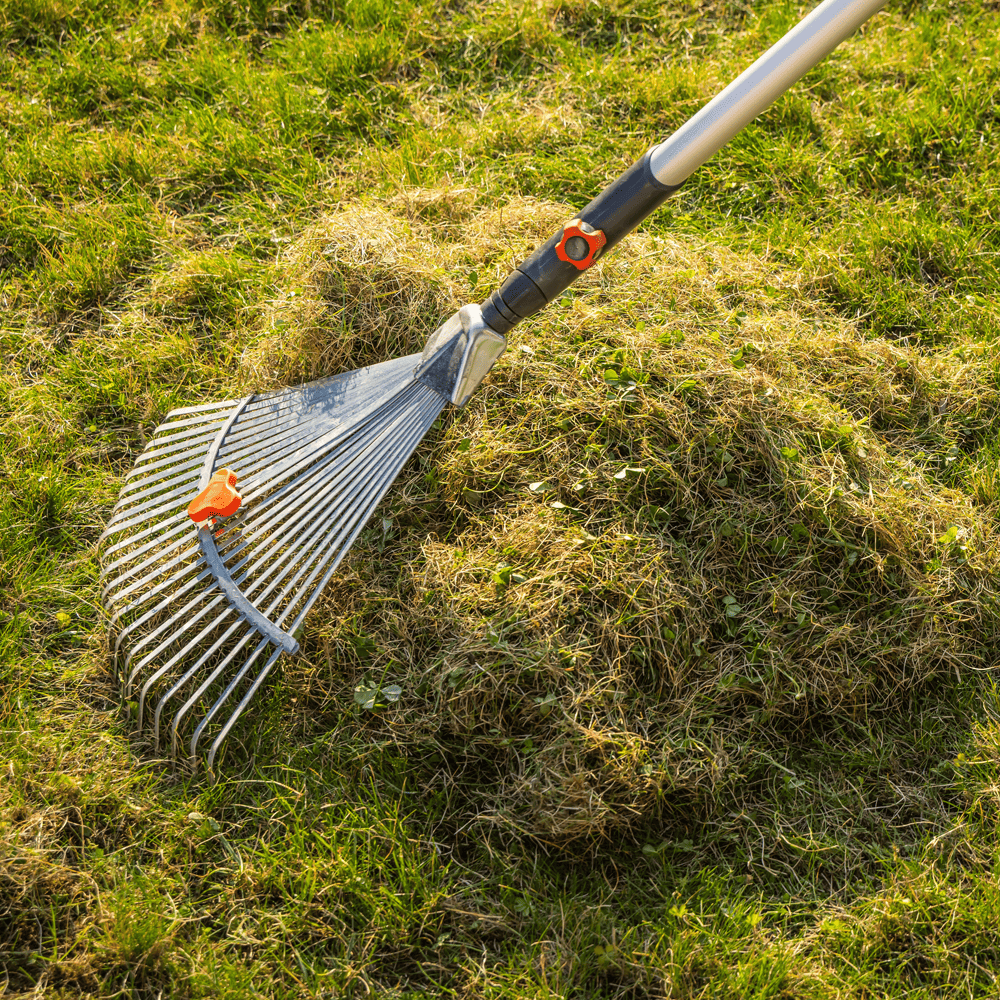
Removing heavy thatch in late May isn’t recommended for warm-season grasses. The plant lacks the necessary growing days to heal the canopy before winter dormancy. Early April provides a much safer window for aggressive mechanical maintenance.
Does Frost Kill Couch Grass?
Frost doesn’t typically kill established Couch grass. The cold temperatures freeze the moisture inside the leaf blades, causing the visible tissue to turn brown and die. The underground runners and root system survive the winter and push new growth in spring.
Key Takeaways
Effective autumn lawn care sets the foundation for the entire year. Preparing the ground and the plant tissue before dormancy prevents costly repairs in spring. A disciplined approach to nutrition, mechanical aeration, and water management yields consistent results.