
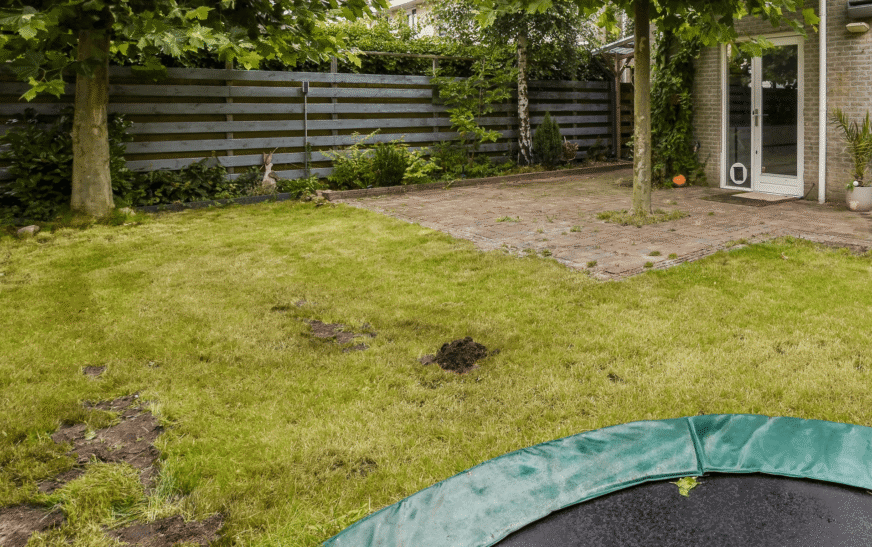
Reviving a degraded lawn saves thousands of dollars while capitalising on an established, drought-resilient root system. Property owners often assume a brown, patchy yard requires a complete tear-out. But tearing up an established yard is usually an expensive mistake. Good lawn care practices can force a heavily damaged patch to bounce back fast.
The Biological Advantage of Established Roots
Reviving an older lawn capitalises on the deep, drought-resilient root system already anchoring the soil profile. Grass roots that have survived several Australian summers are highly adapted to local conditions. New turf rolls only come with a few millimetres of shallow roots attached to the soil base. An established yard already possesses several biological advantages:
- Mycorrhizal fungi networks remain intact to help roots absorb phosphorus.
- Earthworm channels provide natural drainage paths through the heavy subsoil.
- Deep rhizomes store energy reserves to help the grass recover from stress.
- The existing soil profile holds moisture better than disturbed dirt.
Those deep roots give the grass a proper crack at surviving the next heatwave. A young lawn simply doesn’t have the underground infrastructure to cope with sudden temperature spikes. Preserving that old root system saves massive amounts of irrigation water. Good lawn care works with nature rather than against it.
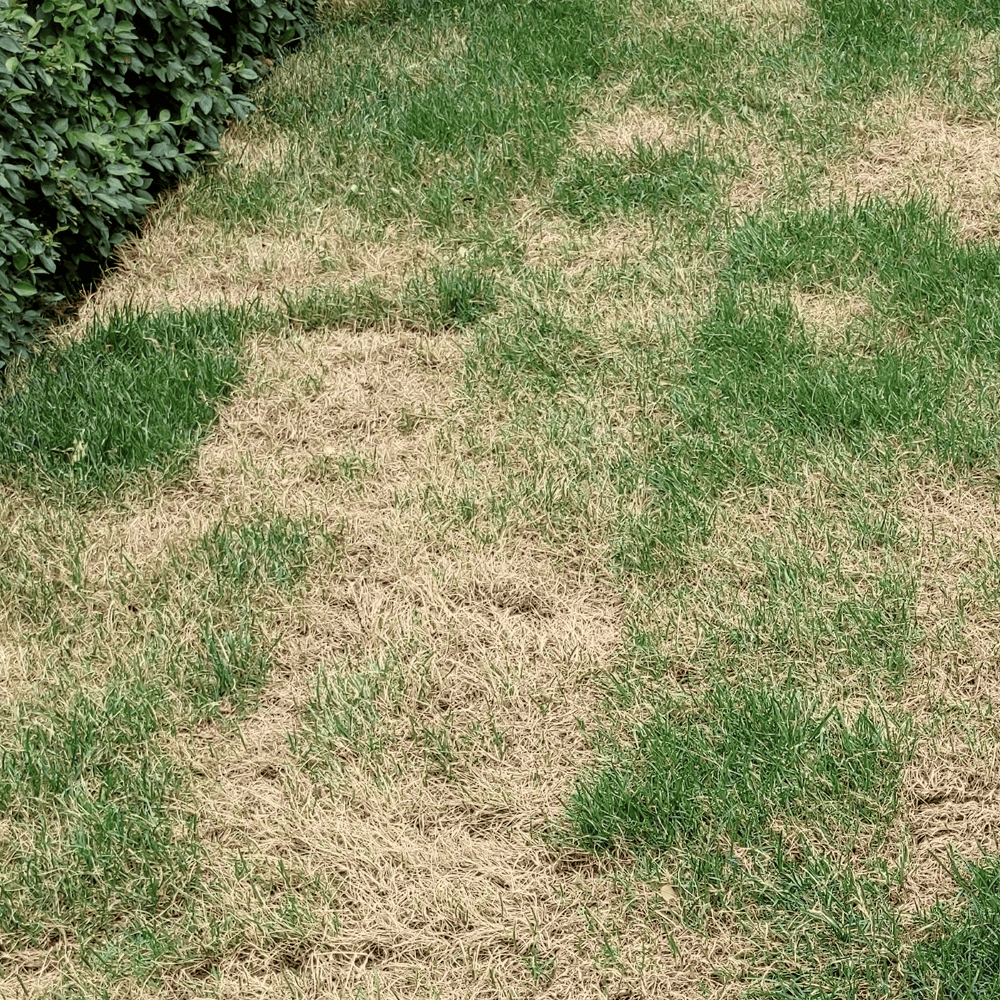
Typical Recovery Timeframes for Damaged Turf
A heavily degraded lawn typically takes four to eight weeks of intensive management to show a full, green canopy again. The exact timeframe depends on soil temperatures and the specific grass variety involved. Warm-season grasses like couch or kikuyu spread rapidly via underground runners when fed correctly. The standard recovery timeline follows distinct phases:
- Week one involves heavy scalping, core aeration, and applying wetting agents.
- Week two usually shows the first signs of green shoots pushing from the crowns.
- Week four brings noticeable lateral growth as the runners spread across bare patches.
- Week eight generally results in a dense canopy requiring regular mowing again.
Property owners often lack patience during the first fortnight. The yard looks like it took a hammering right after a heavy scarifying session. It’s a rough visual phase. The surge of growth that follows always justifies the initial mess.
Water Restrictions and Local Compliance
New turf installations demand strict, daily watering schedules that often conflict with local water authority restrictions. Councils across Australia enforce specific watering windows during summer months.
Getting an exemption to water new turf during the day involves annoying paperwork. If the exemption gets knocked back, the new lawn might bake and die on the first forty-degree afternoon.
Reviving an old yard doesn’t require the same excessive water inputs. Deep, infrequent watering encourages the existing roots to dive further into the soil profile. This practice aligns perfectly with standard municipal water restrictions. It keeps the property owner off the local water authority’s radar.
Identifying Viable Rootstock in a Brown Yard
Checking the physical condition of the grass runners is the only reliable way to determine if a brown lawn can recover. Trade workers look for green or white tissue hidden inside the dry, brown stems. Snapping a runner in half reveals the health of the vascular tissue inside. When the inside feels sappy and pale, the plant is simply dormant or stressed.
If the runner snaps like a dry twig and crumbles, that specific section is dead. Even if fifty percent of the yard is completely dead, creeping varieties can still fill in the gaps. Kikuyu and couch grasses are notoriously aggressive spreaders. Given the right blend of nitrogen and potassium, they will reclaim bare soil rapidly.
It’s common for a yard to look entirely dead on the surface while remaining biologically active underground. Breaking the hydrophobic crust with a solid-tine aerator allows water to reach surviving roots.

Frequently Asked Questions
How Long Does Turf Recovery Take?
A severely degraded yard usually requires four to eight weeks to show a full recovery. Warm-season grasses respond rapidly to core aeration and professional fertilisers during the warmer months. Consistent soil temperatures above twenty degrees accelerate the natural repair process significantly.
Can Completely Brown Grass Be Brought Back to Life?
Brown grass is often just dormant or suffering from severe heat stress rather than being entirely dead. Checking the underground runners for pale, sappy tissue confirms if the root system is still viable. If the crown remains firm and intact, professional techniques will easily force new green growth.
Is Top-Dressing Necessary for a Lawn Renovation?
Applying a sandy loam mix is highly recommended for levelling out uneven ground after core aeration. Sweeping coarse sand into the aeration holes permanently improves drainage in heavy clay profiles. It gives the recovering roots a loose, oxygen-rich environment to expand into.
Final Thoughts
Walking away from an established root system is rarely the smartest financial move. Paying high tipping fees and material costs for a completely new yard is usually unnecessary. Modern turf renovation methods rely on basic soil science to wake up dormant grass.
Fixing the underlying compaction and hydrophobic soil issues guarantees a permanent result. Most properties just need mechanical aeration and a solid fertiliser program. Giving the old grass a chance to recover is always the logical first step.