
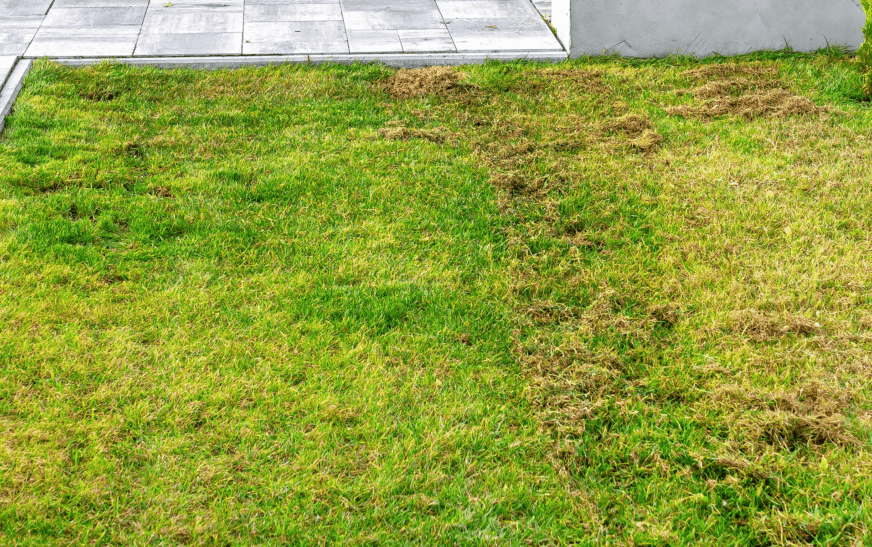
Grass enters a state known as winter dormancy, which is a biological survival mechanism where warm-season grasses shut down metabolic activity when soil temperatures drop below 14 degrees Celsius. The plant naturally loses its deep green colour. Winter lawn care focuses entirely on basic plant preservation rather than aggressive growth management.
Adjusting Mower Heights for Colder Months
Raising the mower deck by at least two notches leaves enough leaf tissue to maximise photosynthesis during shorter winter days. Grass blades function exactly like biological solar panels. Taller grass catches significantly more of the limited available sunlight.
- Leaving extra length directly insulates the plant crown against severe cold snaps.
- Rotary mowers process wet winter grass far more efficiently than standard cylinder mowers.
- Cutting frequencies should stretch out to a single mow every three or four weeks.
- Mower blades must be kept razor sharp to avoid tearing the brittle winter foliage.
- Catching grass clippings is strictly required to stop organic matter rotting on the surface.
Scalping the lawn exposes the vulnerable soil surface to freezing overnight air. Most operators reckon a cutting height of 40 to 50 millimetres is ideal for warm-season varieties.
Maintaining this height protects the underlying soil from rapid temperature drops. It keeps the plant crown completely insulated against frost damage.
Mowing simply becomes a minor tidying exercise when growth grinds to a halt. A hands-off approach gives the best results for yards that cop a hammering from frost.
Avoiding the mower entirely for weeks prevents unnecessary mechanical damage. The grass simply can’t repair itself quickly during July. Running a heavy machine over sleeping turf often does more harm than good.
Modifying Watering Schedules as Temperatures Drop
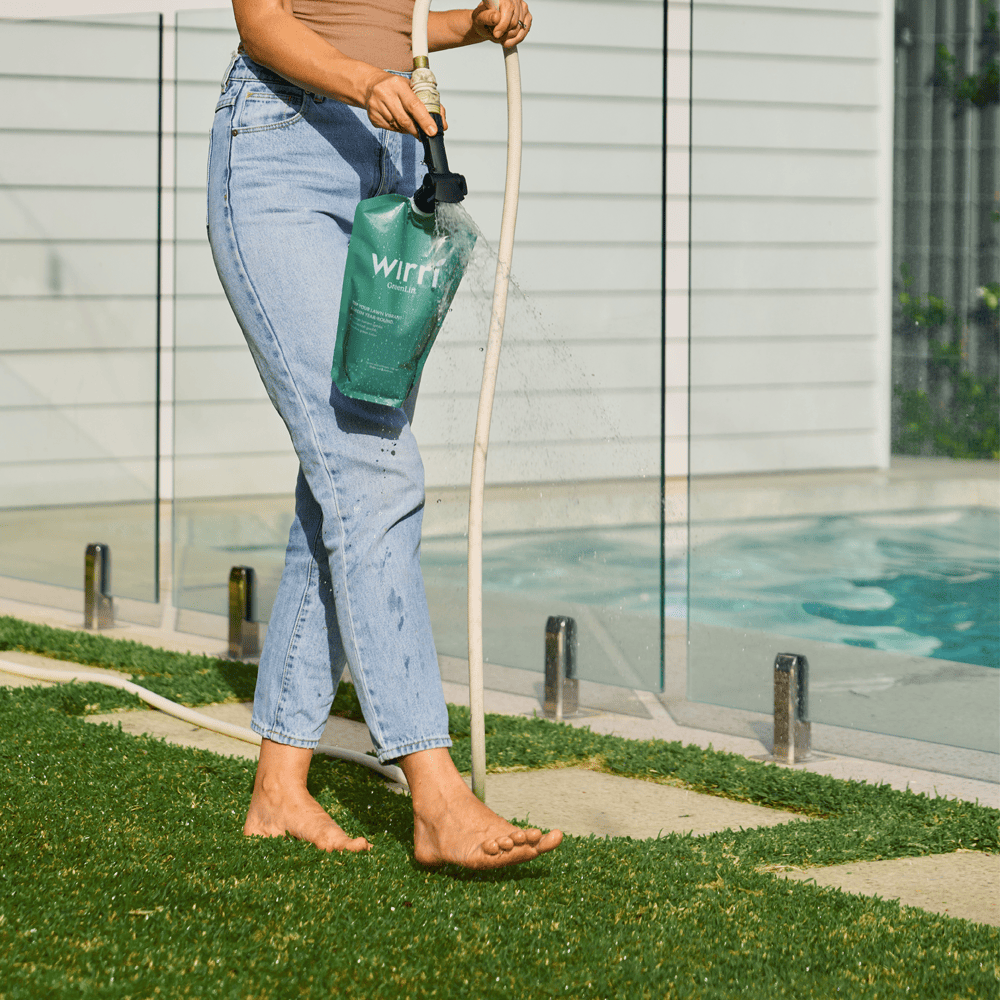
Turf requires drastically less water during the cooler months, meaning irrigation should drop to one deep soak every fortnight. Shorter days cause natural evaporation rates to plummet completely. Applying excess water quickly creates a soggy, anaerobic soil profile.
- Irrigation controllers must be switched to manual mode to prevent accidental overwatering.
- Watering early in the morning lets the winter sun dry the leaf surface completely.
- Applying water at night guarantees extended leaf moisture, which triggers aggressive fungal outbreaks.
- Checking the dirt with a basic soil probe eliminates the guesswork of watering.
- Visual cues like slightly folded leaves confirm the plant actually needs a drink.
Waterlogged dirt instantly suffocates shallow root systems. Cold, wet ground breeds highly destructive fungal diseases overnight.
The dirt holds onto freezing temperatures much longer when it’s completely saturated. This constant chill prevents the resting roots from maintaining their stored energy.
Coastal properties often survive perfectly on natural rainfall alone throughout July. Turf managers generally keep the taps off until the top 50 millimetres of dirt feels completely dry.
Supplying too much moisture drops the ground temperature even further. Heavy clay soils require even less frequent watering than sandy profiles. It’s always safer to slightly underwater dormant turf.
Warming the Plant with Turf Pigments
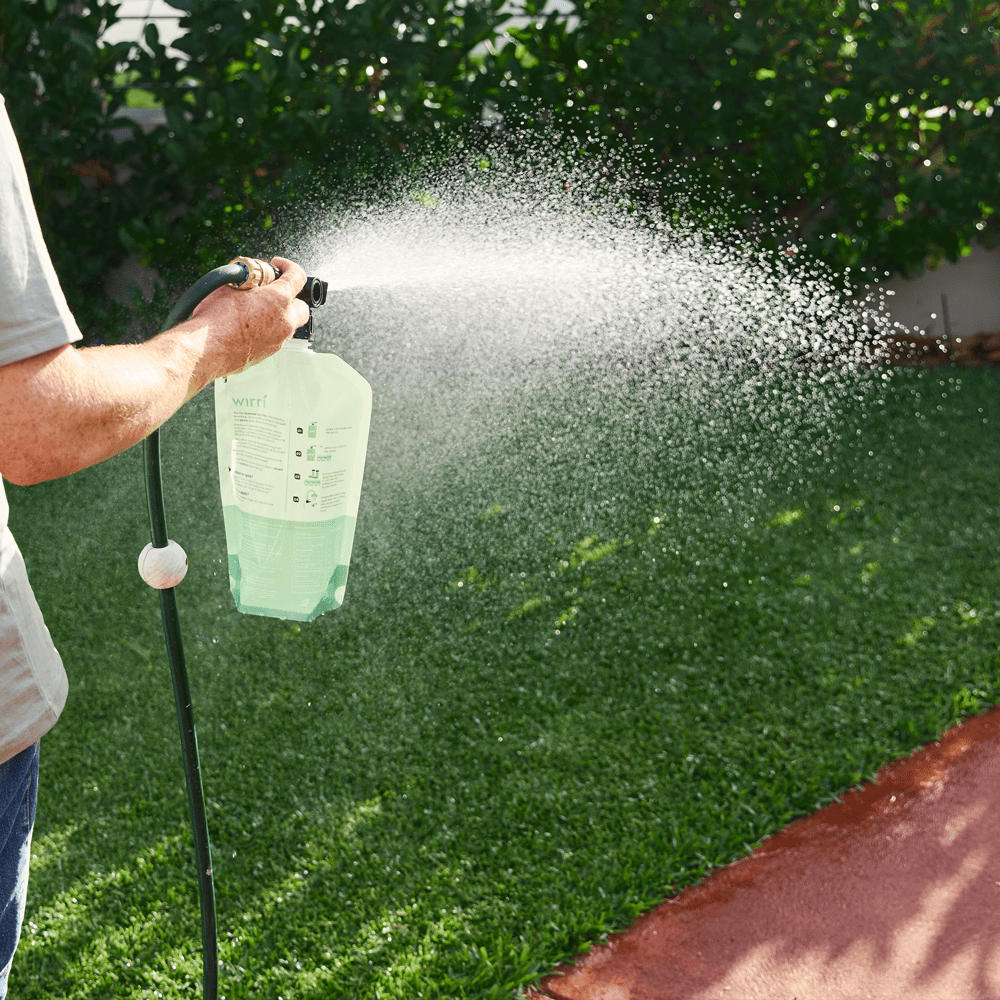
Applying a professional turf pigment physically warms the leaf blade by absorbing solar radiation and trapping near-infrared light. This trapped thermal energy keeps cellular functions ticking over during freezing weather.
Pigments offer a massive physiological advantage for dormant turf management. This isn’t just about making the yard look pretty.
Standard iron applications only darken the leaf without providing the same thermal benefits. Synthetic pigments actively protect the internal plant structures from freezing solid.
When the morning frost hits, a treated leaf handles the temperature drop far better. It stops ice crystals from violently rupturing the delicate plant cells.
Managing Soil Aeration and Winter Mixes
Mechanical core aeration followed by an application of specialised winter soil mix relieves compaction while actively supporting the dormant root zone. Heavy foot traffic on wet winter ground crushes the soil profile together. This physical compression drives out the oxygen that roots need to survive.
- Hollow tining immediately reduces surface tension and improves water penetration.
- Spreading a targeted winter soil mix fills the holes and boosts moisture retention.
- Specialised mixes perform much better than standard washed river sand during the colder months.
- Solid tining offers a quick fix, but coring delivers superior long-term results.
Aeration physically pulls small plugs of dirt out of the lawn to open it up. These extraction holes immediately relieve the built-up surface tension.
It gives the compacted dirt room to expand and breathe again. Coring should only happen when the dirt isn’t frozen solid.
Frequently Asked Questions
Why Does Warm-Season Grass Turn Brown in July?
Warm-season grasses enter a protective state called dormancy when soil temperatures drop below 14 degrees Celsius. The plant naturally withdraws energy from the leaves down into the roots. This temporary discoloration is a simple survival mechanism, not a sign of permanent turf death.
Should Granular Fertiliser Be Used on Dormant Lawns?
Granular soil fertilisers are highly ineffective during winter because the cold roots can’t absorb the nutrients. Applying them often leads to severe chemical leaching into local waterways. Liquid foliar feeds offer a far superior method by absorbing directly through the leaf tissue.
Does Watering at Night Increase Frost Damage?
Irrigating late in the day leaves moisture sitting on the leaf blades all night long. This surface water freezes quickly when the air temperature plummets. Watering should only happen in the early morning to let the sun dry the grass completely.
Key Takeaways
Keeping a lawn healthy through the cold months requires specific adjustments to standard maintenance practices. Relying on advanced methods like turf pigments and liquid foliar feeds provides a massive advantage over outdated granular treatments.