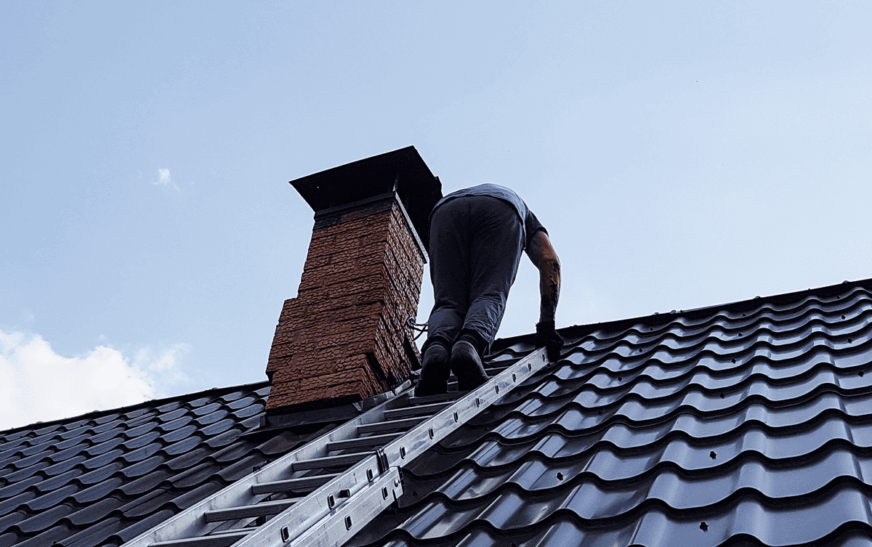
Keeping a fireplace running safely is not just about what happens in the middle of winter. Once the cooler months wrap up, it is worth taking a step back and looking at how your heater actually performed. Small issues often show up as subtle warning signs at the end of the season, and ignoring them can turn into expensive or urgent fireplace repairs when the next cold snap hits.
Smoke, Odour, And Staining Inside the Home
Any time smoke or odour behaves differently to normal, your fireplace is trying to tell you something. Post season is the moment to review what you saw and smelled over winter.
Watch out for:
- Smoke backing into the room instead of drawing cleanly up the chimney
- Persistent smoky odours that linger even after the fire is out
- Yellow or brown stains on walls or ceilings near the fireplace
- Dark soot marks around the fireplace opening or air vents
Visible Cracks, Gaps, and Loose Components
A quick visual check around the fireplace and chimney can reveal a lot. Heat cycles expand and contract masonry, metal, and sealants, which can create gaps that were not there before.
Take a close look for:
- Cracks in bricks, tiles, or masonry around the fireplace
- Gaps opening up between the firebox and the surrounding wall
- Loose or crumbling mortar joints
- Warped, bent, or misaligned metal components
Strange Noises, Draughts, and Animal Activity
Fireplaces and chimneys are very attractive to birds and small animals, especially once you stop using them regularly. Noise and strange airflow patterns are often your first clues that something is wrong.
Think back over the last part of the season and note if you experienced:
- Scratching, flapping, or chirping noises from inside the chimney
- Sudden changes in draught, with the fireplace feeling gusty or whistling
- Debris such as nesting material, twigs, or feathers in the firebox
- A strong, unusual odour when the fire is not running
Poor Performance from Your Fireplace
Even if everything looks fine, performance can tell a different story. If your heater simply did not seem to do its job as well this winter, that is a key sign that something has changed.
Performance issues might include:
- Difficulty getting the fire to start or stay lit
- Needing much more wood than usual to get the same level of warmth
- Uneven heat, with some areas of the room cold and others hot
- A weak flame that never seems to burn cleanly or brightly
Soot, Creosote, and Debris Build Up
Soot and creosote build up is one of the most common reasons to arrange post season servicing. A small amount is normal, but heavy build up is both a fire hazard and a sign that the fireplace is not burning efficiently.
During your inspection, look for:
- Thick, flaky, or shiny black deposits on the firebox walls or flue
- Soot falling into the fireplace when you open the damper
- A strong tar-like smell near the fireplace opening
- Debris and ash building up faster than usual between cleans
Water, Rust, and Moisture Damage
Water and fireplaces do not mix well. Even small amounts of moisture can cause corrosion, damage internal components, and weaken masonry over time. After heavy rain or storms, it is worth keeping an eye on the fireplace area.
Check for signs such as:
- Rust on metal parts, flue liners, or firebox components
- Damp patches around the chimney breast or ceiling
- Efflorescence, which shows up as white, powdery deposits on bricks
- Warped or swollen timber trims near the fireplace
Glass, Doors, and Seals Not Working Properly
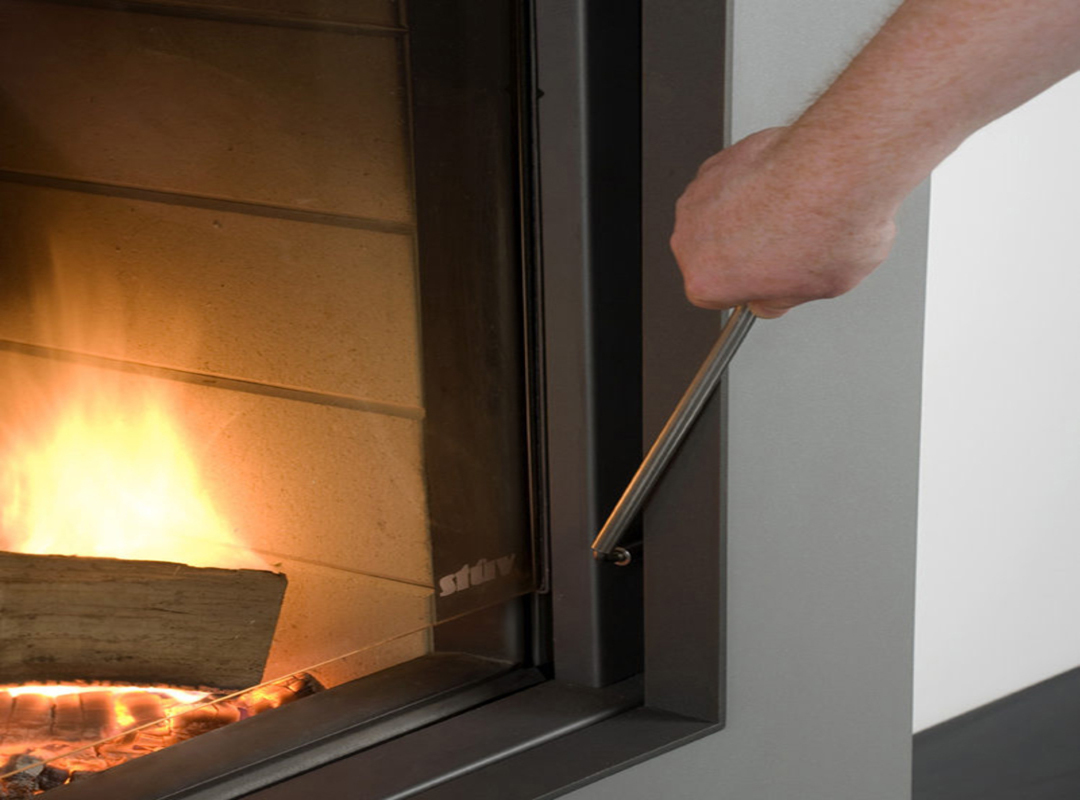
Glass doors, hinges, and seals play a big role in safety and efficiency. When they do not close properly, heat and fumes can escape into the room, and your fire will often burn poorly.
During your post season check, pay attention to:
- Doors that no longer close tight or sit square in the frame
- Cracked, fogged, or permanently stained glass panels
- Worn or missing rope seals around doors and access panels
- Handles, latches, or hinges that feel loose, stiff, or wobbly
Health Symptoms and Safety Concerns
Your body can also give you clues that something is not right. If you or your family felt unwell around the times the heater was running, it is essential to pay attention.
Think about whether anyone experienced:
- Headaches, dizziness, or nausea that seemed to worsen when the fire was on
- Red or irritated eyes and scratchy throats
- Persistent coughing or breathing discomfort in the living area
- Smoke alarms or carbon monoxide alarms going off without a clear cause
When To Call in Professional Fireplace Repairs
Some minor cleaning tasks can be handled by homeowners, but plenty of issues are best left to experienced technicians. If you are unsure what you are looking at, or if multiple warning signs have appeared at once, it is safer and often cheaper in the long run to get expert help.
Good reasons to book in professional support include:
- You have noticed several of the signs listed in this guide
- There is visible damage, movement, or cracking around the fireplace
- Smoke behaviour has changed, or alarms have triggered while in use
- You suspect animals, nesting, or major blockages inside the flue
- You want a full safety check and report before next winter
Planning Your Next Season Now
A little attention now will save a lot of stress when the temperature drops again. Walk through your fireplace and chimney with fresh eyes, tick off the signs in this list, and make a note of anything that looks, sounds, or smells different to previous years.