
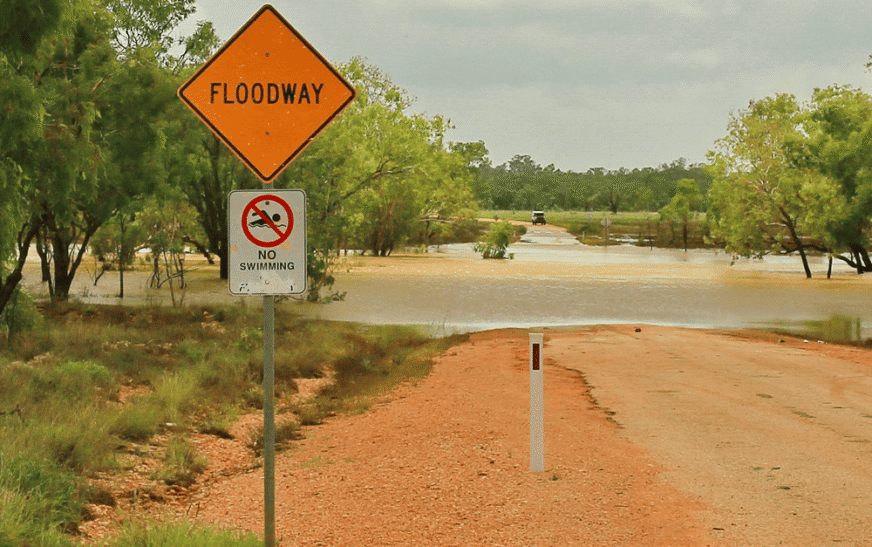
The Australian climate gives outdoor displays a proper hammering. Summer bakes everything in sight. Winter brings driving rain and freezing cold snaps. Nobody wants a brand looking like a peeling sunburn. So, selecting quality signage materials prevents this rapid visual deterioration entirely.
The Threat of Solar Degradation
Ultraviolet radiation destroys the chemical bonds in standard printing inks and plastics, causing severe colour fading and material breakdown. Most unlaminated prints can’t handle a standard Australian summer. The intense UV index acts like a slow-motion sandblaster on unprotected pigments. Red and yellow inks fade the fastest under direct sunlight.
- Polycarbonate panels require specific factory-applied UV coatings to stop them turning cloudy and brittle.
- Acrylic faces turn yellow under intense sunlight if the manufacturer skips adding UV inhibitors.
- Applying polymeric overlaminates adds a thick physical barrier directly over printed graphics.
- Standard inks break down rapidly without a physical shield blocking the radiation.
Using the right barrier remains totally non-negotiable for longevity. Suppliers know that skipping a UV laminate on a north-facing fascia guarantees early failure. The sun always wins if the substrate isn’t properly shielded. That thin protective layer does all the heavy lifting against relentless solar damage.
Mandates for Traffic and Regulatory Markers
Road authorities demand solid aluminium for official street signs because the material won’t rust or delaminate under harsh roadside conditions. Councils refuse to accept composite panels for critical regulatory markers.
Solid metal sheets offer unmatched durability for assets requiring decades of zero-maintenance lifespan. Heavy-duty plates withstand constant vibrations from passing highway traffic.
- Traffic signs demand highly rigid three-millimetre solid aluminium sheets for maximum longevity.
- Standard composite panels fail local council inspections for official road safety markers.
- Solid metal sheets easily survive minor impacts from flying roadside debris.
- Heavy-duty aluminium doesn’t rust even when the painted face gets scratched deep.
Local governments maintain incredibly strict standards for anything installed near traffic. A compromised give-way sign presents a massive public liability risk. Installers working on civil projects don’t mess around with unapproved substrates. Doing so guarantees the inspector knocks back the entire installation.
Reflective Sheeting for Night Visibility
Applying micro-prismatic reflective sheeting ensures nighttime visibility by bouncing headlight beams directly back to the approaching driver. Standard printed vinyl turns completely invisible on unlit country roads.
Safety regulations dictate specific grades of reflectiveness depending on the speed limit and location. Using the wrong grade creates a dangerous roadside hazard.
- Class 1 reflective films utilise tiny micro-prisms to achieve extreme visibility for highway road signs.
- Engineer-grade reflective vinyl uses embedded glass beads for standard suburban parking notices.
- Fluorescent yellow-green reflective films specifically highlight pedestrian crossings and school zones.
- High-intensity prismatic films handle heavy industrial applications like mining site safety boards.
Matching the correct reflective film to the environment prevents serious accidents. Highway markers need to catch high-beam lights from hundreds of metres away. Slower suburban streets only require standard glass-bead reflectivity. Professional fabricators check the local compliance codes before cutting expensive vinyl.
Managing Thermal Expansion and Contraction
Installers counter thermal movement by drilling oversized clearance holes for mounting screws, allowing the panel to slide without cracking. Severe temperature swings force solid materials to expand and contract dramatically.
An aluminium composite panel sitting in the January sun easily reaches high temperatures. Heat causes the metal molecules to physically spread apart.
At night, that same panel shrinks back down significantly. This massive thermal shift causes the metal to physically grow and shrink every single day. If a panel gets screwed tight to a rigid frame with no wiggle room, the expansion forces it to bow. The physical pressure has to escape somewhere.
Handling High Moisture Environments
PVC foam board serves as the perfect substrate for indoor humid areas because it absorbs zero moisture and won’t warp. Commercial kitchens and public aquatic centres destroy standard timber-based boards in weeks. Constant airborne moisture acts like a slow rot on unsuitable backing frames. Plastic substrates ignore this dampness entirely.
- PVC foam board easily handles daily washdowns in strict food preparation areas.
- Swimming pool enclosures require fully waterproof substrates to survive the dense chlorinated humidity.
- Industrial cool rooms generate heavy condensation that ruins standard composite panels.
- Showers and change rooms need completely non-porous signage to prevent mould growth.
Health inspectors look closely at wall fixtures inside commercial kitchens. Any material that absorbs water quickly becomes a breeding ground for bacteria. PVC board stays rigid and hygienic despite getting hosed down every single night. The smooth surface wipes clean with basic commercial sanitisers.
Frequently Asked Questions
What Substrate Works Best for Shop Fronts?
Aluminium composite panel remains the industry standard for external shop front fascias due to its low weight and high rigidity. It provides an exceptionally smooth surface for applying printed vinyl graphics. It also handles thermal expansion far better than solid plastic sheets. It won’t shatter if hit by flying debris.
Why Do Some Plastic Faces Turn Yellow?
Yellowing happens when cheap polycarbonate or acrylic lacks factory-applied UV inhibitors during the manufacturing process. The sun’s radiation degrades the polymer chains within the raw plastic structure. Replacing the affected panel is the only way to restore proper light transmission. Cleaning chemicals can’t reverse heavy plastic yellowing.
Can UV-Damaged Printed Graphics Be Fixed?
Once ultraviolet light breaks down the ink pigments, the extreme colour loss is totally permanent. The old graphic must be completely stripped off using heat guns and chemical adhesive removers. Installers then apply a brand new printed decal directly over the cleaned substrate. Crews can’t simply paint over failed vinyl film.
Key Takeaways
Surviving the harsh Australian environment requires a deliberate combination of UV-resistant films, heavy-duty substrates, and smart thermal design. Weather forces constantly test the limits of external fabrications. Operators who understand these environmental pressures make smarter long-term purchasing decisions. Investing in proven outdoor displays keeps brands looking sharp year after year.