
Maintaining a lush, green lawn isn’t just about pulling out the mower once a fortnight. Australian lawns, with their unique climate and diverse grass types, require consistent care tailored to the seasons. A year-round approach ensures your grass remains vibrant and resilient no matter what Mother Nature throws at it. Let’s explore the essentials of seasonal lawn care for Australian homes.
Summer (December – February): Thriving Through the Heat
Summer’s scorching temperatures and dry conditions can test even the hardiest of lawns. Warm-season grasses like Buffalo, Kikuyu, and Couch are at their peak but still need proper care to withstand the harsh Australian sun.
Key Tips for Summer Lawn Care
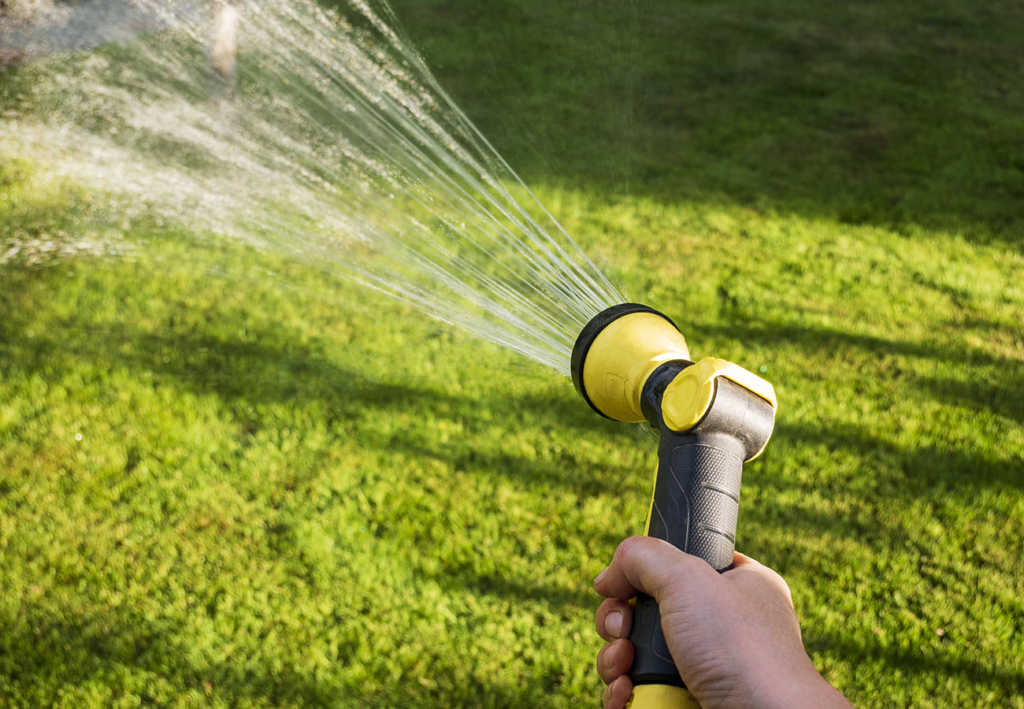
- Deep Watering: Hydrate early in the morning, ensuring water penetrates deeply. This encourages robust root growth. Aim for 2–3 cm of water weekly, adjusted for rainfall.
- Mowing Strategy: Keep grass longer (5–7 cm) to shade the soil, reducing water loss and protecting roots from heat stress.
- Light Fertilisation: Use slow-release fertilisers rich in potassium to boost heat resistance. Avoid over-fertilising, which can increase water demands.
- Weed and Pest Vigilance: Summer is prime time for lawn pests and weeds. Spot-treat weeds early and use organic pest controls as needed.
- Reduce Traffic: Limit foot traffic during peak heat to prevent stress and damage.
Pro Tip
Mulching lawn edges retains moisture and keeps soil cooler during extreme heat.
Autumn (March – May): Recovery and Renewal
As the intensity of summer fades, autumn becomes a critical period for recovery. With milder temperatures and increased rainfall, your lawn is primed for repair and strengthening before winter.
Key Tips for Autumn Lawn Care
- Fertilise Smartly: Apply balanced, slow-release fertilisers with nitrogen and potassium to rejuvenate grass and encourage strong root development.
- Aerate the Soil: Compacted soil inhibits root growth. Aerate in autumn to improve water and nutrient absorption.
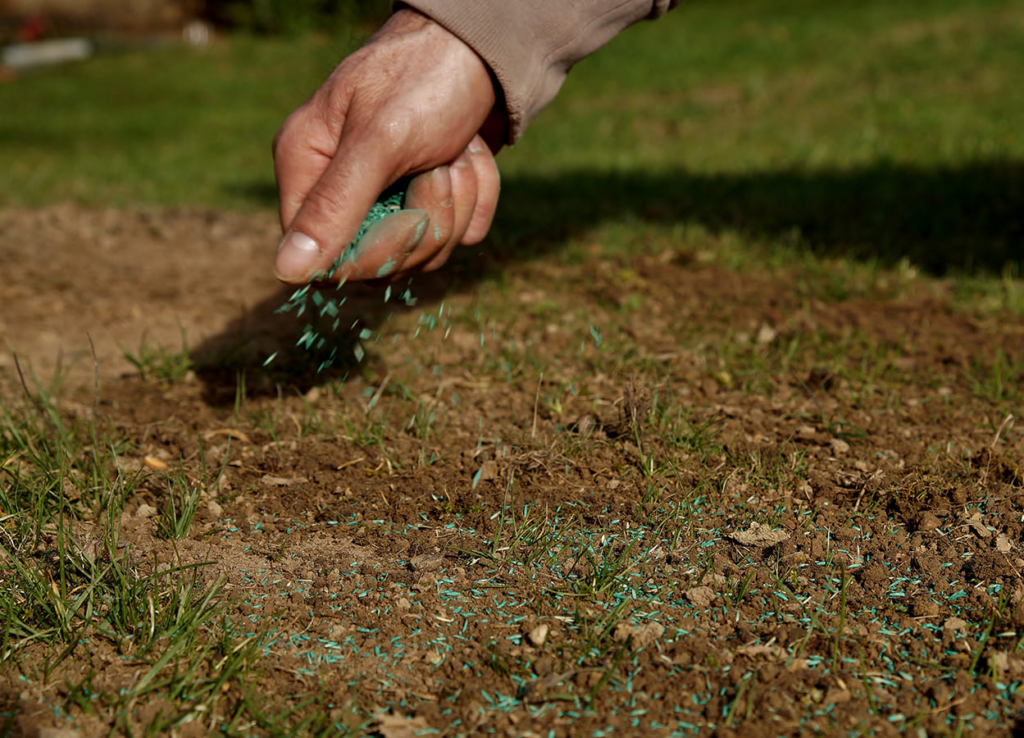
- Patch Repairs: Overseed bare or thinning patches with grass suited to your region for a fuller lawn.
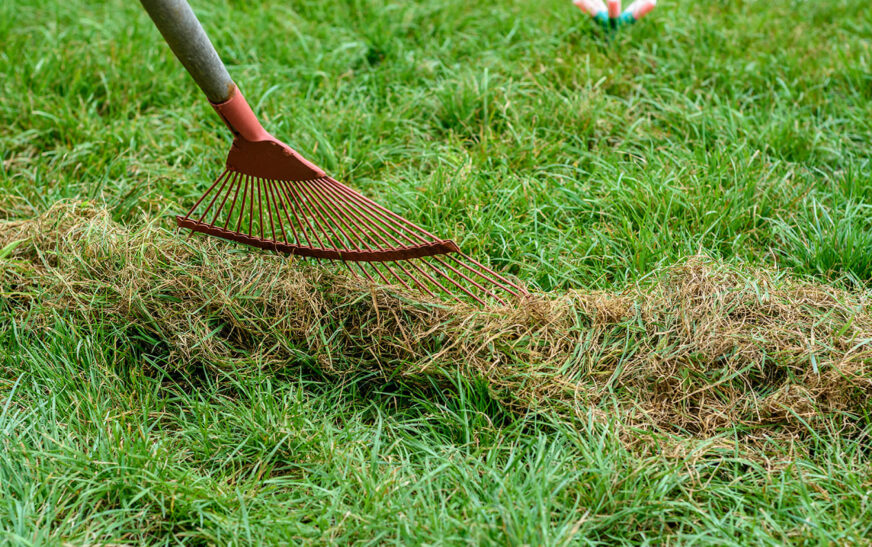
- Dethatch If Necessary: Thatch buildup exceeding 1 cm should be addressed with a dethatcher to prevent water and nutrient blockages.
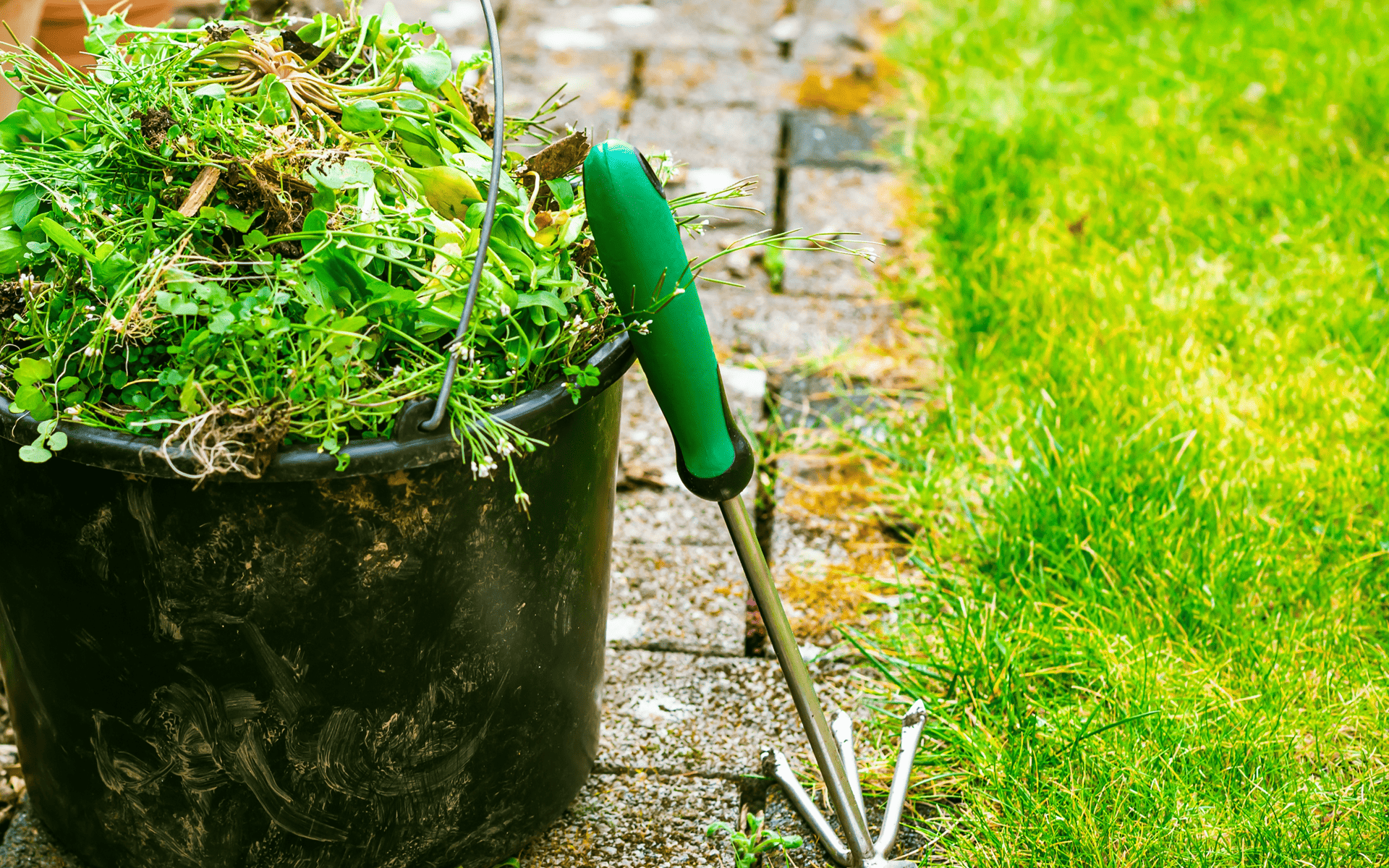
- Tackle Weeds: Cooler, wetter conditions make it easier to remove weeds by hand or with selective herbicides.
Pro Tip
Regular mowing is still important, but reduce frequency as growth slows, keeping the grass at 4–6 cm for optimal health.
Winter (June – August): Preservation Over Growth
Winter slows everything down, and for warm-season grasses, it’s often a dormant period. While the focus isn’t on growth, protecting your lawn’s health through the colder months is essential.
Key Tips for Winter Lawn Care
- Minimal Watering: Natural rainfall usually suffices. Avoid overwatering, which can lead to fungal diseases.
- Disease Prevention: Watch for signs of fungal issues, like Brown Patch, and treat with appropriate fungicides if needed.
- Mow Sparingly: Growth slows significantly, so mowing every 3–4 weeks is enough. Keep mower blades high to reduce stress.
- Limit Foot Traffic: Frosty or waterlogged lawns are easily damaged. Encourage family members to tread lightly.
- Cool-Season Lawn Boost: For cool-season grasses, a light fertiliser application maintains strength during winter.
Pro Tip
Improve air circulation in shaded areas to reduce the risk of disease and excessive moisture retention.
Spring (September – November): A Season of Rejuvenation
Spring brings new life, and it’s the perfect time to prepare your lawn for a year of thriving. Whether your grass went dormant or slowed during winter, spring care sets the stage for healthy growth.
Key Tips for Spring Lawn Care
- Fertilise for Growth: Apply nitrogen-rich fertilisers to give your lawn a kick-start. For warm-season grasses, this builds strength ahead of summer.
- Aerate and Dethatch: Relieve soil compaction and remove thatch buildup to enhance water and nutrient penetration.
- Repair and Reseed: Overseed any bare patches to create a thicker, healthier lawn before summer arrives.
- Regular Mowing: As growth accelerates, mow regularly, but only remove one-third of the grass height at a time to avoid stress.
- Proactive Weed Control: A pre-emergent herbicide helps keep weeds like crabgrass at bay.
Pro Tip
Adding organic compost or soil conditioners in spring improves soil health and helps retain moisture.
Why Year-Round Care Matters
Seasonal care ensures your lawn adapts to Australia’s diverse climate. By tailoring your routine to the changing needs of your grass, you create a lawn that not only looks great but is also better equipped to handle pests, diseases, and environmental stressors.
Benefits of Year-Round Care
- Healthier Growth: Seasonal fertilisation and aeration improve root systems and grass density.
- Stress Resistance: Strategic watering and mowing enhance resilience to heat and drought.
- Fewer Repairs: Regular care minimises damage from weeds, pests, and foot traffic.
A Lawn You Can Be Proud Of
A well-maintained lawn isn’t just a point of pride—it’s an investment in your home’s curb appeal and outdoor lifestyle. With a year-round care plan, your lawn will stay lush, green, and inviting no matter the season.
By adopting these practices, you’ll enjoy the benefits of a lawn that complements Australia’s outdoor living culture. The time and effort you invest now will pay off when you’re relaxing or entertaining on your thriving lawn all year long.