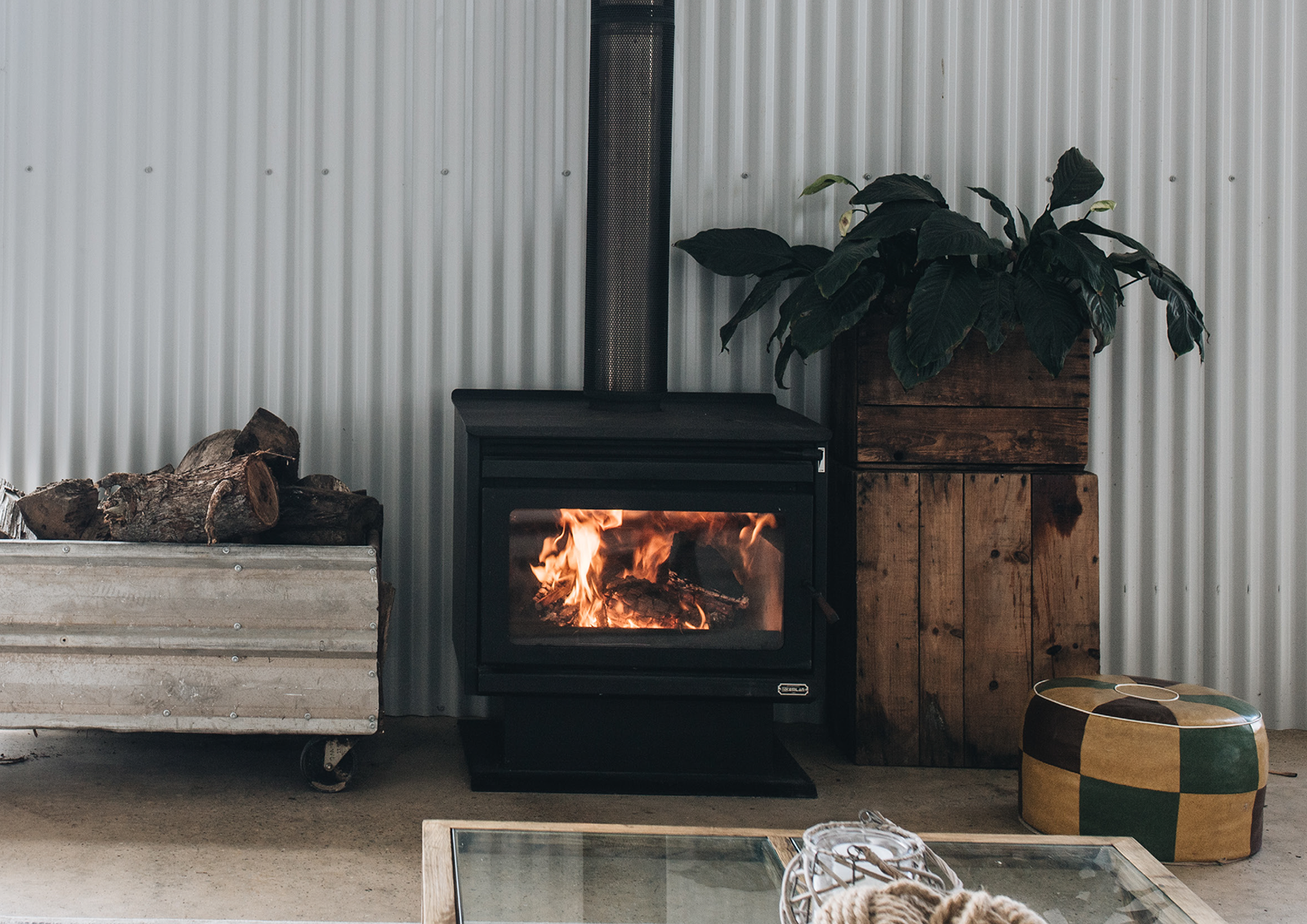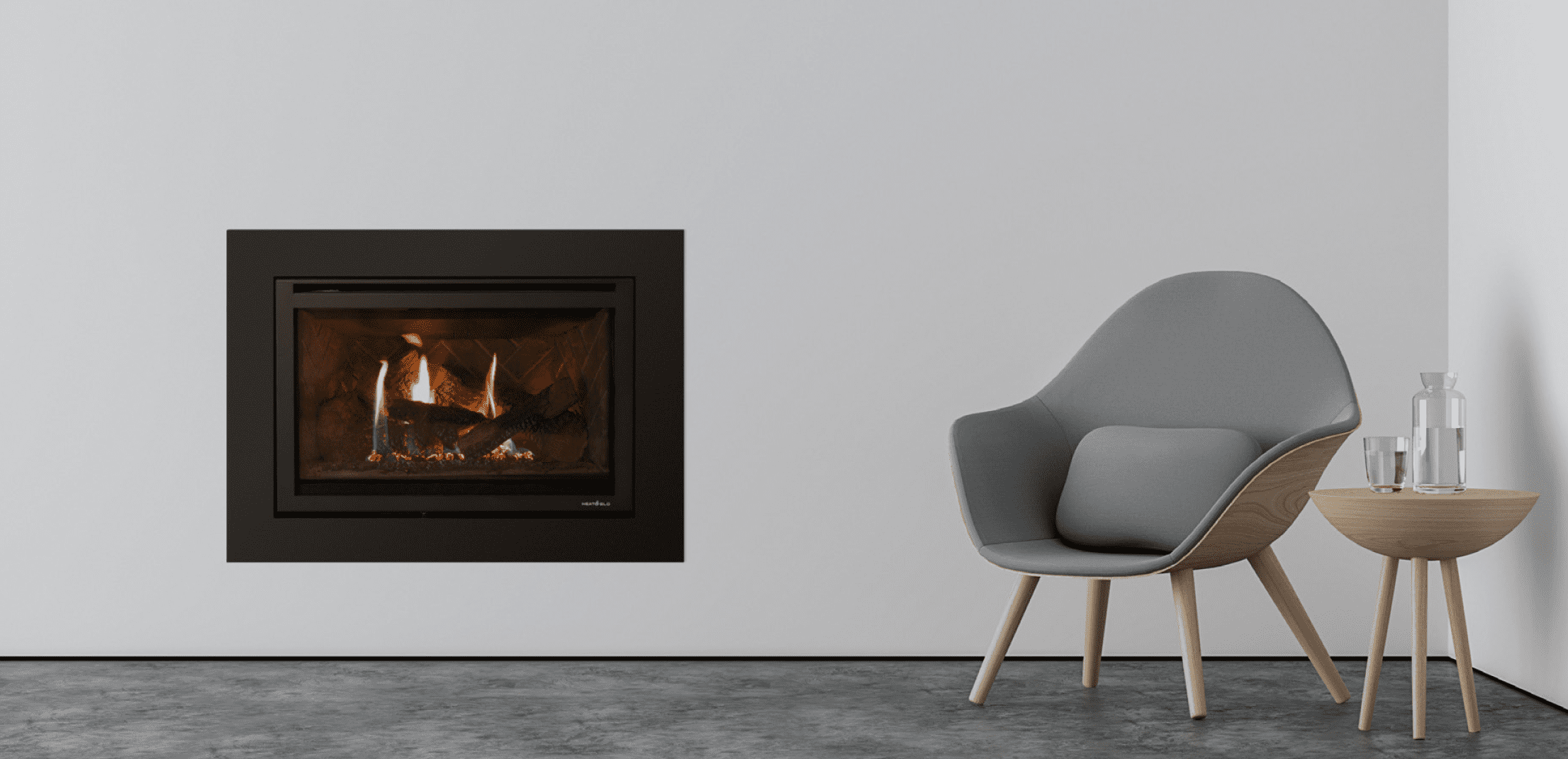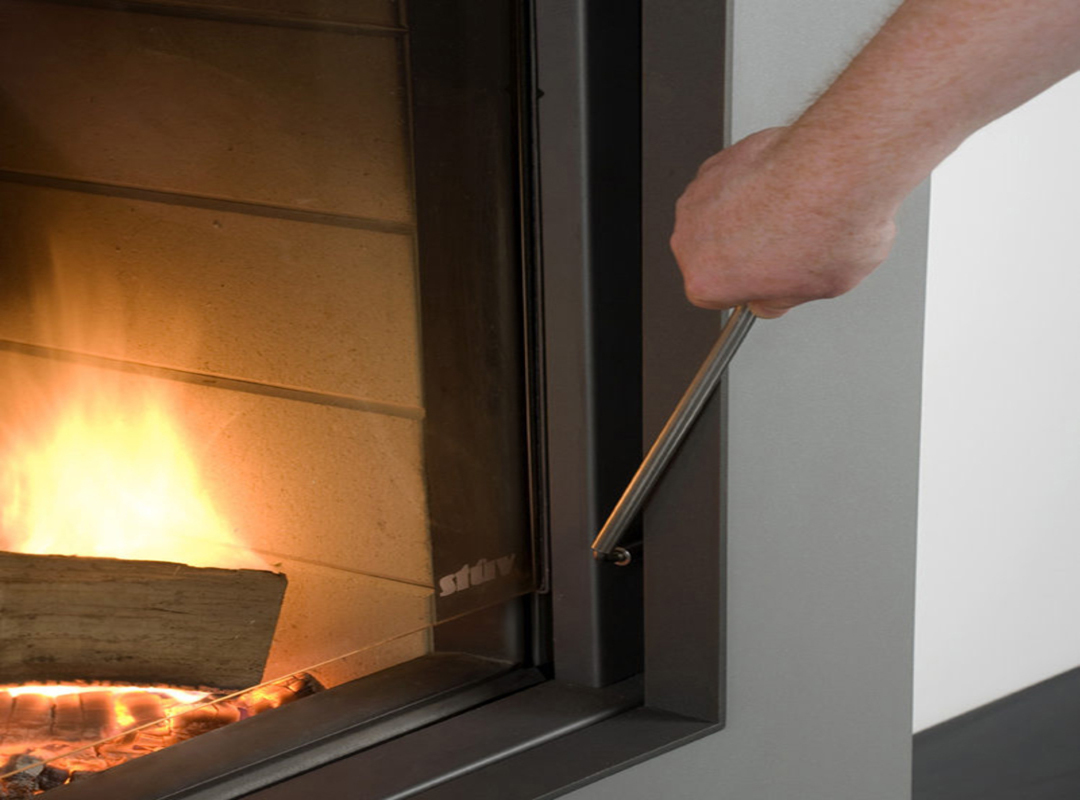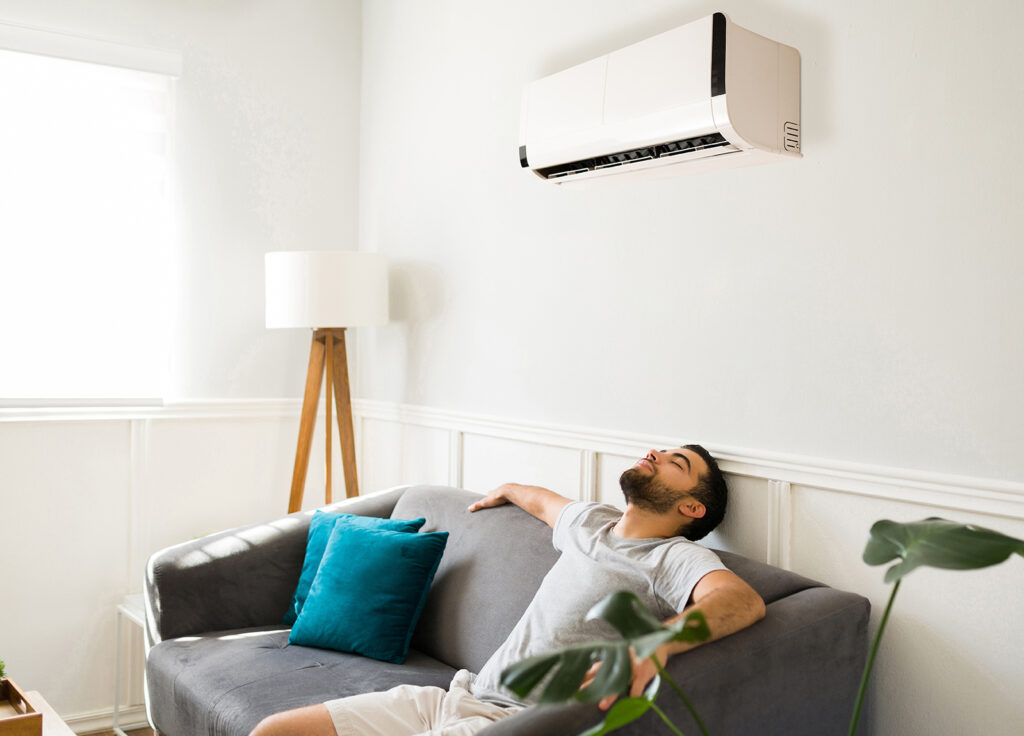
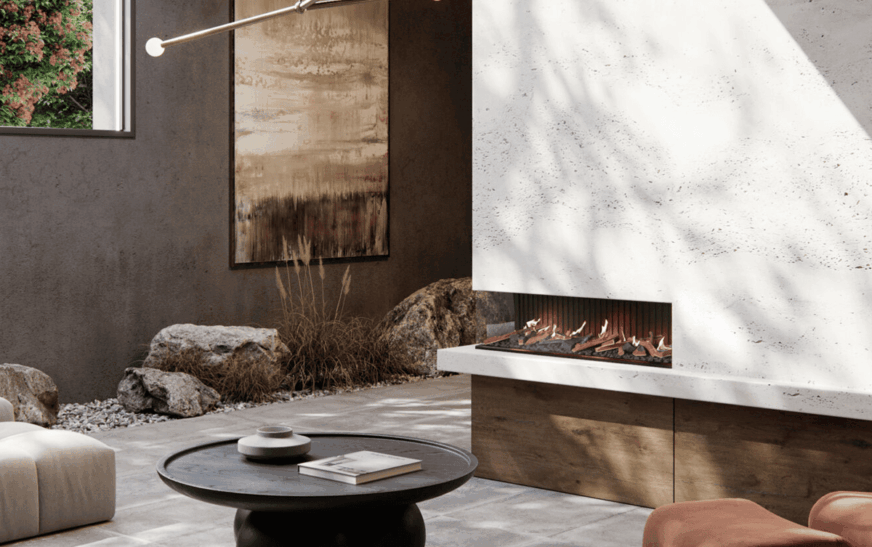
A gas fireplace doesn’t work in isolation. It lives inside a broader home heating ecosystem that includes duct runs, return air pathways, thermostats, flues, and the electrical and gas supply. When that ducted heating system is well maintained, a gas fireplace lights faster, burns cleaner, and warms rooms more evenly with less gas. When it’s neglected, you get weak flames, glass fogging, soot, smells, and higher bills.
Gas Fireplaces and The Whole-Home Heating System
Before looking at parts and pieces, it helps to see the connections. Your fireplace draws gas and air, manages ignition, exhausts combustion products, and shares responsibility for temperature control with the rest of your heating. If you also run ducted heating, both systems influence room temperature, airflow patterns, and thermostat behaviour. Good maintenance aligns all of this, so the fireplace runs efficiently instead of fighting the rest of the home.
Air Supply, Return Air, And Flame Quality
The flame you see is the end result of the right gas pressure and the right amount of oxygen. Small airflow problems in the home can throw that balance off. Keeping a healthy air pathway makes an immediate difference to flame colour, stability, and heat output.
What to check and why:
- Clear return air grilles so the home isn’t starved of make-up air. Starved rooms can cause lazy yellow flames and glass fogging.
- Keep door gaps or transfer grilles open where the fireplace operates. Tight rooms trap exhaust and reduce combustion air.
- Make sure ceiling exhaust fans in nearby rooms aren’t pulling against the flame when on. Competing fans can create negative pressure and disrupt combustion.
Filters, Dust, And Heat Exchange
Even though many gas fireplaces don’t have a typical furnace filter, dust in the broader system still matters. Dust restricts airflow in ducted heating, which changes room pressures and can push smoke-like residues back onto the fireplace glass and media.
Maintenance actions that help:
- Replace or clean central system filters every 1 to 3 months in winter use. Better airflow means steadier room pressure around the fireplace.
- Vacuum intakes and surrounding floor areas to reduce dust load settling on logs, burners, and pilot assemblies.
- Book a professional clean of the fireplace media and burner ports so dust doesn’t cause uneven flames or soot.
Gas Pressure, Regulators, And Consistent Heat
Your fireplace needs stable gas pressure to keep ignition quick and flames consistent. Regulators and supply lines in the home age like everything else. A well-maintained system checks these upstream components so the fireplace doesn’t suffer downstream.
Tell-tale signs of pressure issues:
- Slow or failed ignition that worsens when other gas appliances run.
- Flame height surging or dipping while in use.
- New smells near the unit or meter that need immediate professional attention.
Thermostats, Zoning, And Control Logic
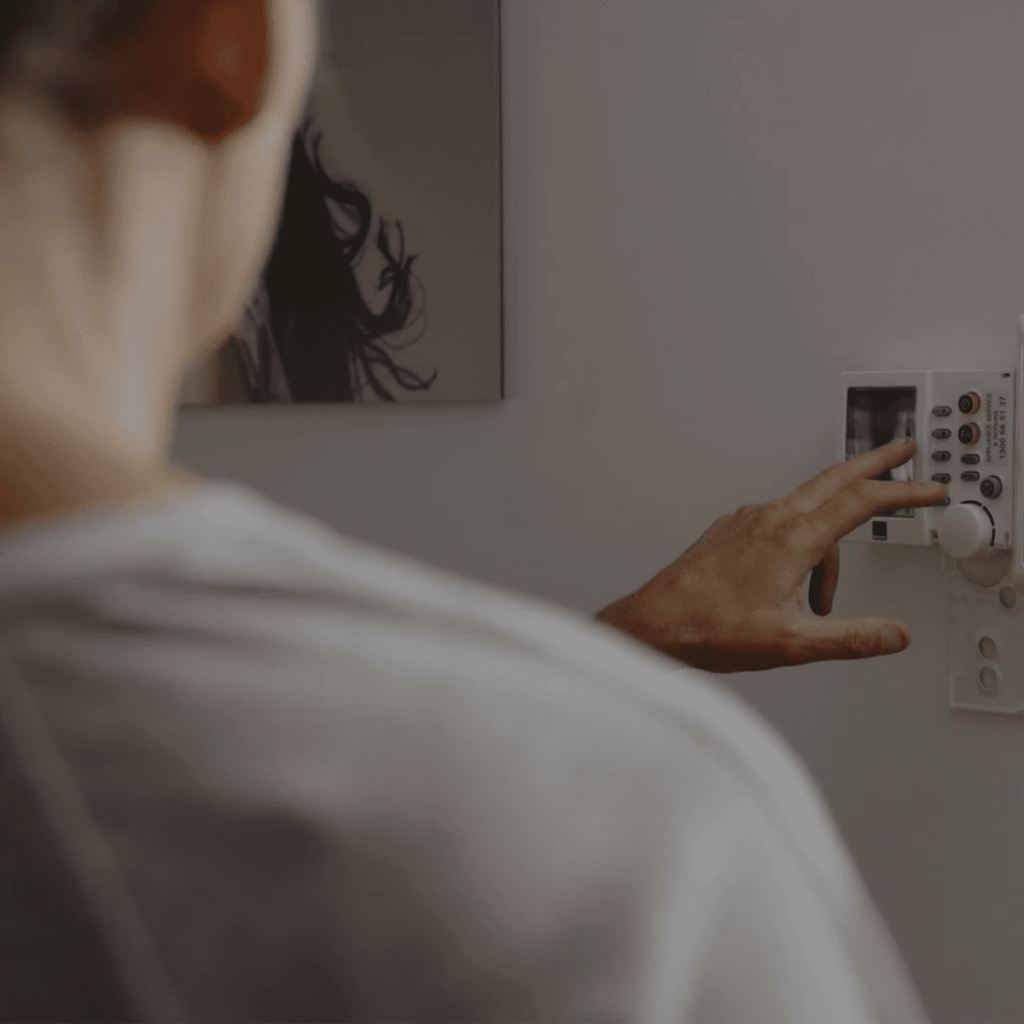
The smartest burner isn’t much use if the control strategy is confused. If your home has ducted heating with zoning, the fireplace should complement rather than conflict with it. Thermostat placement and calibration are the difference between steady comfort and constant short-cycling.
How to make controls work together:
- Place the main thermostat away from direct fireplace radiant heat so it doesn’t shut off the rest of the house prematurely.
- Use the fireplace as a zone-specific booster in living areas while ducted heating maintains background temperature elsewhere.
- Check thermostat calibration annually so setpoints reflect real temperatures.
Flues, Terminations, And Ventilation
Even balanced flue models rely on clear pathways. Minor obstructions from leaves, dust, insects, or corrosion increase resistance and reduce draft. Regular inspection keeps combustion safe and efficient.
Simple checks that matter:
- Confirm the terminal outside is clear and secured.
- Look for staining or residue near joins that can indicate leaks.
- Have a licensed tech assess flue integrity during annual service.
Electrical Components and Reliability
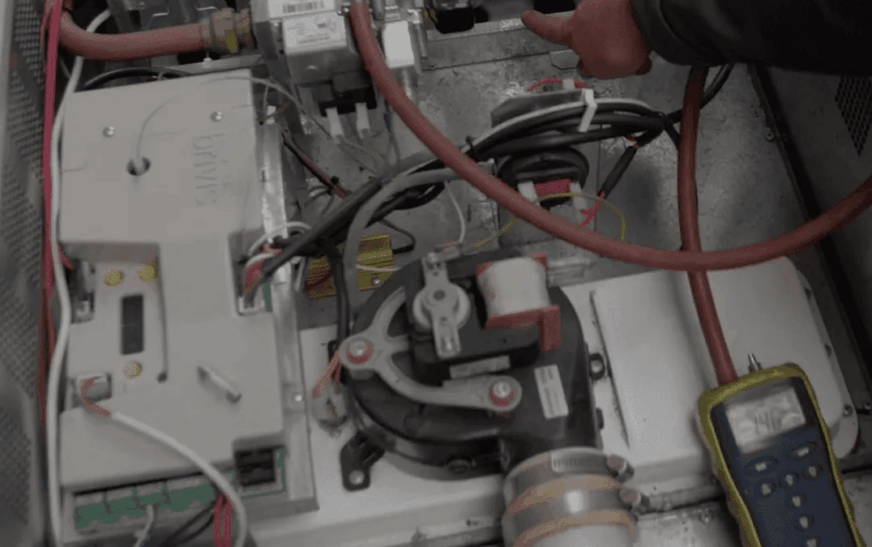
Ignition modules, fans, and sensors all need reliable power and clean contacts. A tidy electrical system across the home benefits the fireplace by reducing nuisance lockouts and slow starts.
Keep it reliable by:
- Checking that the dedicated socket or isolation switch is accessible and in good condition.
- Replacing worn remote batteries before winter so commands are consistent.
- Having a technician test flame sensors and igniters during servicing.
How Ducted Heating Influences a Gas Fireplace
If you run ducted heating, its airflow and temperature settings shape how your fireplace behaves in day-to-day use. When the ducts deliver warm background air, the fireplace can run lower and steadier, which saves gas and keeps glass cleaner. When ducted heating is neglected, cold draughts and pressure swings make the fireplace work harder.
Best-practice pairing with ducted heating:
- Set a modest whole-home setpoint and use the fireplace for comfort where you sit, rather than trying to make the fireplace heat the entire home on its own.
- Keep supply and return ducts balanced so the fireplace room isn’t pressurised or depressurised.
- Service the ducted heating fan and filter so airflow is smooth, which helps the fireplace maintain stable flames.
You will notice the term ducted heating coming up often because it is central to how the fireplace feels in the room. When ducted heating is well maintained and properly balanced, your fireplace starts faster, the flame stays a clean blue with soft yellow tips, and heat spreads evenly without cold corners.
Visible Signs Your System Needs Attention
You don’t need tools to spot many early warnings. Catching them early saves parts and fuel.
- Glass fogging quickly after start-up.
- Persistent soot lines on logs or glass.
- Flame lifting, roaring, or flickering with exhaust fans.
- A burnt smell on first use that doesn’t clear after a short run.
- Frequent on-off cycling or slow ignition.
- Rooms warming unevenly even though the fireplace looks fine.
A Seasonal Maintenance Plan for Australian Homes
A simple rhythm keeps hassles away. Do the quick jobs yourself and book the technical checks with a licensed pro before peak cold.
Homeowner tasks:
- Vacuum around the unit, intakes, and nearby floors monthly in winter.
- Wipe glass with an approved fireplace cleaner when cool, following the manual.
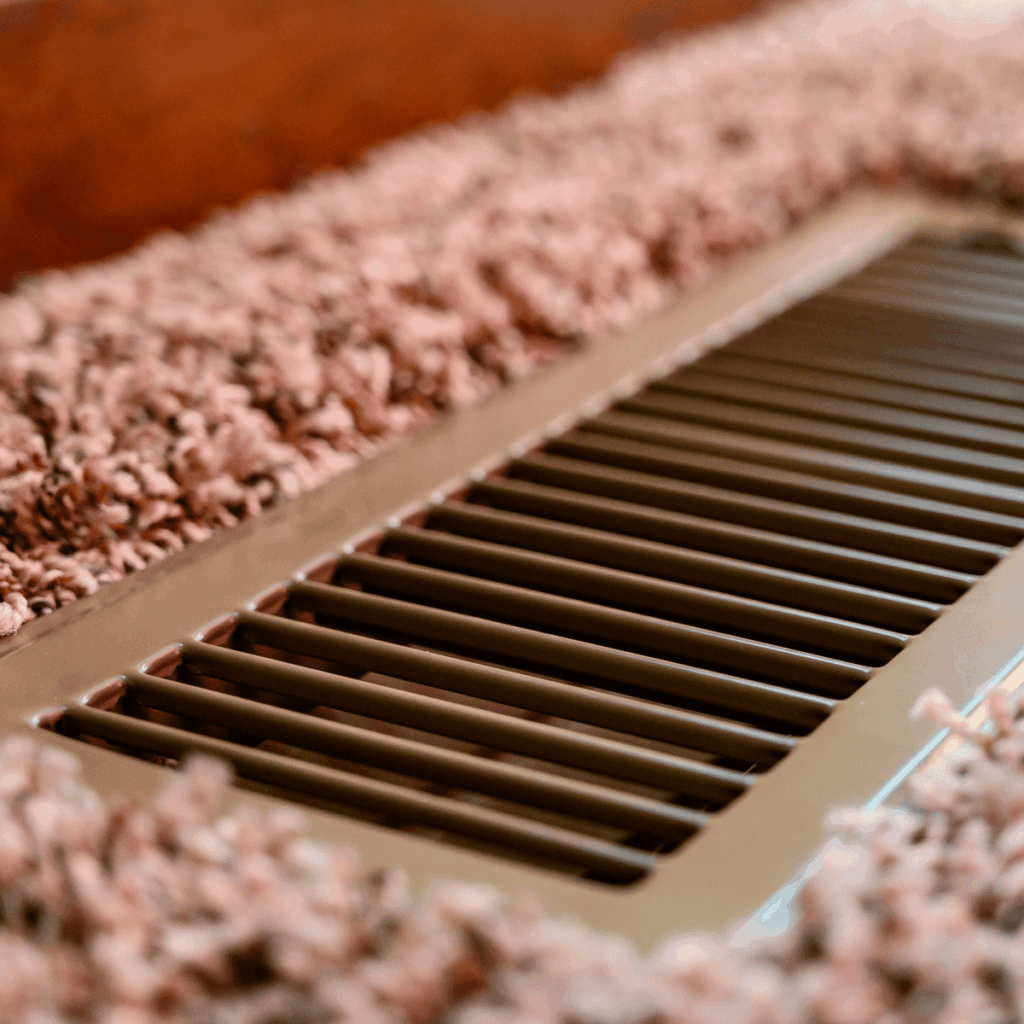
- Keep vents, returns, and transfer grilles unobstructed by furniture or curtains.
- Replace or clean the main system filter at the start of winter, then regularly.
Licensed technician tasks:
- Inspect and clean burner, pilot, logs, and media for proper flame patterns.
- Test gas pressure, regulator operation, and leak integrity.
- Check flue condition, terminations, and seals.
- Verify ignition system, flame rectification, and safety interlocks.
- Service the ducted heating fan, belts where applicable, and confirm airflow.
- Calibrate thermostats and review zoning logic.
Timing that works:
- Book the professional service in early autumn so you’re ready before the first cold snap.
- Do a mid-season quick check if you notice changes in flame or odour.
- Finish with a spring clean to remove winter dust and ash residue.
The Bottom Line
A gas fireplace reaches its potential when the rest of the home heating system is tidy, balanced, and professionally maintained. Good airflow helps the flame stay clean. Stable gas pressure keeps ignition crisp and heat output steady. Smart thermostat placement prevents short cycling. Clean flues protect safety and efficiency.
If you also run ducted heating, the benefits double, because both systems support each other to deliver fast comfort without waste. Put a maintenance plan in place at the start of autumn, keep on top of simple housekeeping, and bring in a licensed tech for the technical bits. The outcome is simple: a cleaner flame, quieter operation, safer combustion, and lower winter bills across the entire home.