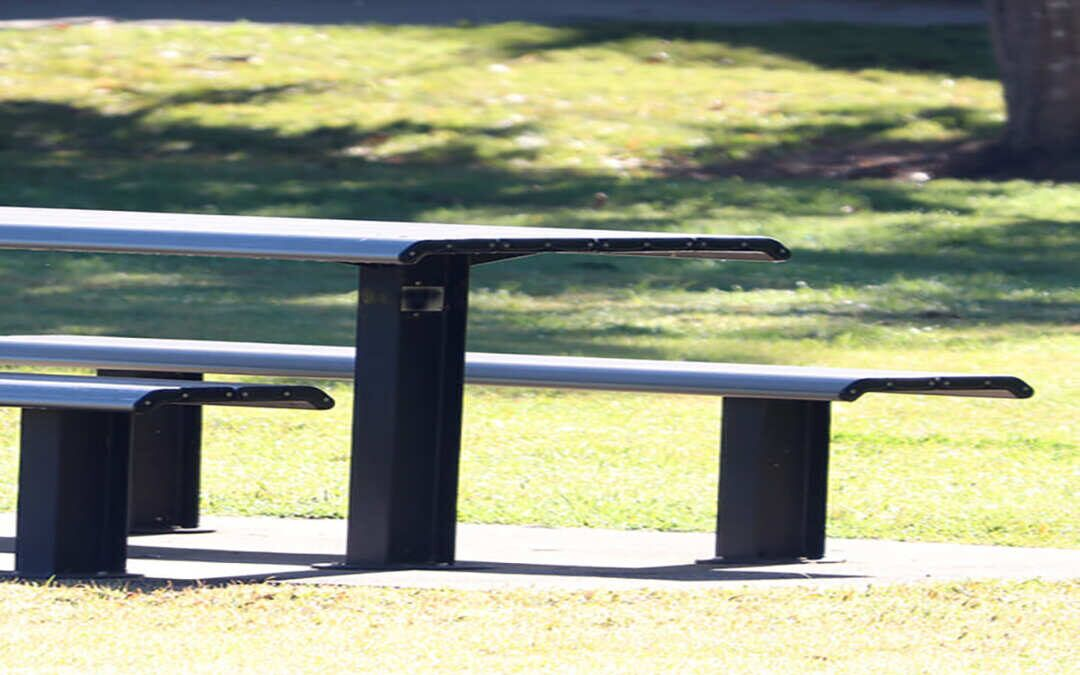

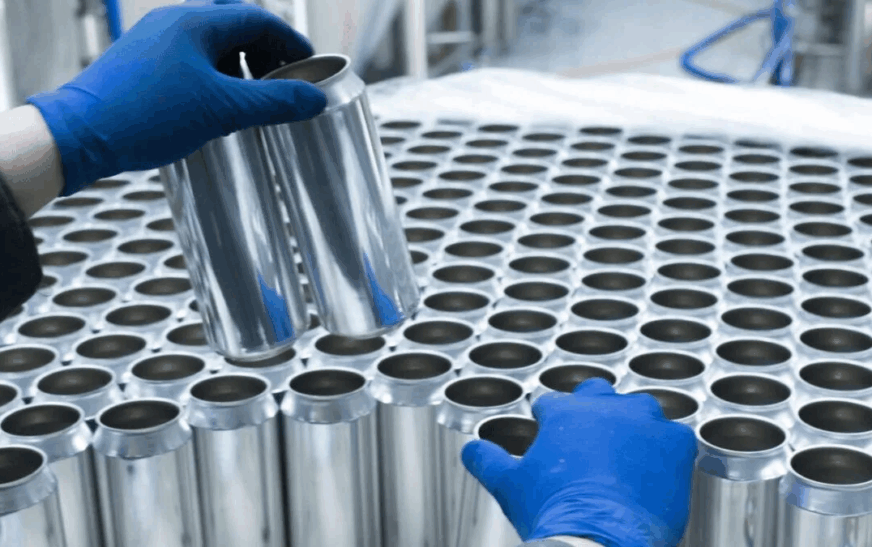
Aluminium has become a cornerstone of Australia’s manufacturing and construction sectors, surpassing other metals in popularity thanks to its unique blend of characteristics. Light yet strong, resistant to corrosion, endlessly recyclable, and incredibly versatile, aluminium’s rise to prominence in the Australian metal market is no accident.
Whether you’re building a high-rise in Melbourne, manufacturing components in Perth, or fabricating transport solutions in Brisbane, chances are aluminium is involved. Let’s explore how and why aluminium has come to dominate the Australian metal market.
The Rise of Aluminium: A Lightweight Powerhouse
One of the most compelling reasons aluminium has gained so much ground is its weight-to-strength ratio. In a country as vast as Australia, transport efficiency matters. The logistics and construction sectors have embraced aluminium because it offers significant weight savings compared to steel, without compromising durability.
For road and rail transport, where fuel efficiency and payload limits are vital, this translates into serious advantages. Trailers, truck panels, and even rail carriages can be made lighter using aluminium, reducing fuel consumption and lowering emissions—key concerns for Australian businesses under pressure to meet sustainability goals.

Corrosion Resistance: Built for Aussie Conditions
From the salt-laden air of coastal cities like Sydney and Fremantle to the harsh sun of the Outback, Australia’s environment is punishing on materials. Aluminium’s natural corrosion resistance makes it ideal for these conditions. Unlike steel, which can rust if not treated properly, aluminium forms a protective oxide layer that keeps it from degrading over time.
This makes it a favourite in marine applications, outdoor construction, and in sectors like agriculture where exposure to moisture is frequent. In Western Australia alone, aluminium is used in everything from irrigation piping to fencing, precisely because it doesn’t buckle under pressure from the elements.
Versatility in Form and Function
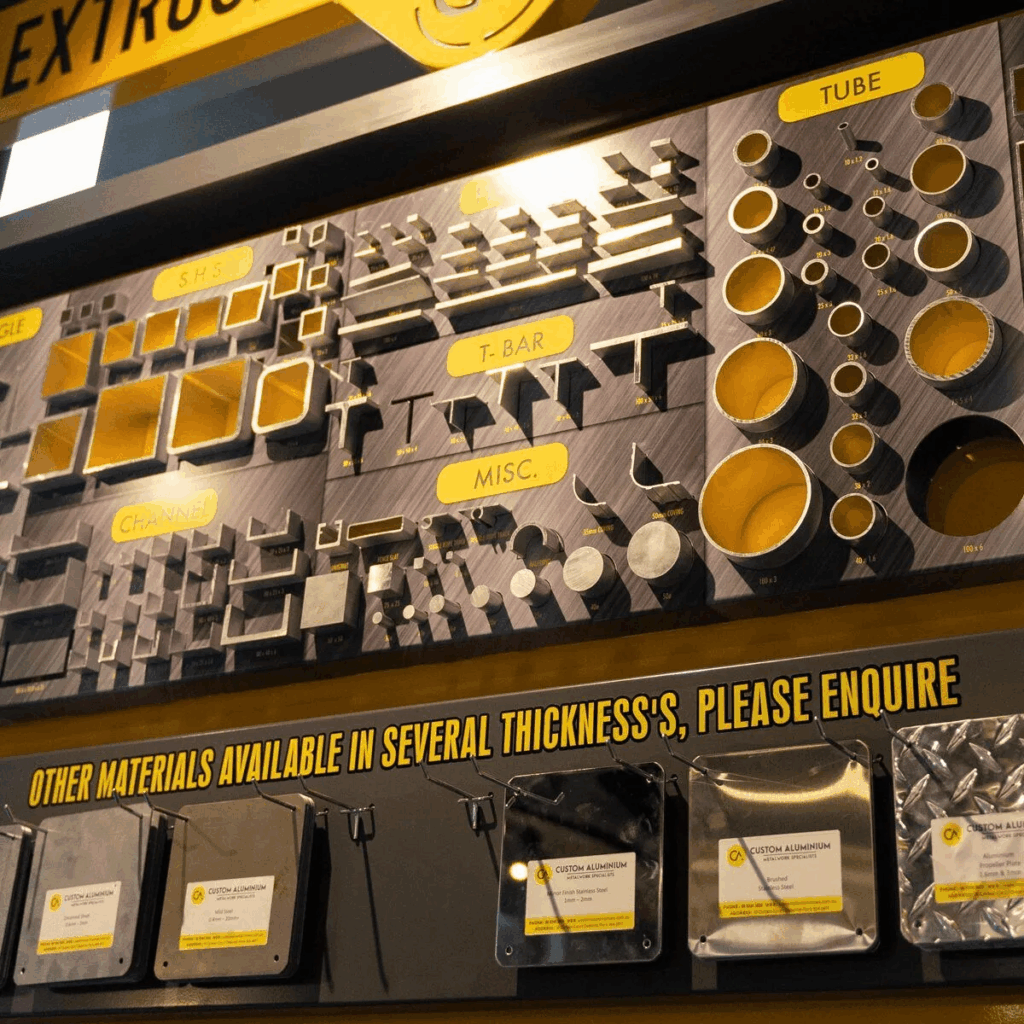
Aluminium can be extruded, rolled, cast, or forged into a vast range of shapes and sizes. That flexibility is why you’ll find it in an equally vast range of products: window frames, roofing sheets, ladders, signage, toolboxes, electronics casings—the list goes on.
Its ability to suit both structural and aesthetic needs makes it a darling of architects and industrial designers alike. Aluminium profiles can be custom-shaped to suit specific requirements, while also being powder-coated or anodised for colour and surface durability. That’s a big win for builders who want functionality without sacrificing visual appeal.
Energy Efficiency and Sustainability
The environmental appeal of aluminium cannot be overstated. Aluminium is 100% recyclable without losing its properties, and recycling it uses only a fraction of the energy required to produce primary aluminium from bauxite. In an age where consumers and governments are pushing for greener solutions, this gives aluminium a major competitive edge.
In fact, more and more Australian manufacturers are incorporating recycled aluminium into their processes to lower their carbon footprint. Whether it’s for commercial window frames or food packaging, the sustainability argument is helping aluminium outperform competitors like plastic or steel in various applications.
Cost and Economic Advantages
While aluminium may not always be the cheapest material on the market, its long-term value is where it shines. It requires less maintenance, lasts longer, and is easier to work with thanks to its malleability. Add in the energy savings from using recycled content, and you get a material that delivers excellent ROI over the product lifecycle.
This matters especially in Australia, where distances are vast, labour costs are high, and the climate demands robust solutions. The less you have to replace or repair a material, the better your bottom line.
Local Supply Chains and Australian Production
Australia isn’t just a major user of aluminium—it’s also a major producer. With rich bauxite reserves and established refining operations, the local industry benefits from a secure and scalable supply chain. This localisation reduces dependence on imports, stabilises pricing, and supports regional economies.
Australian manufacturers can access high-quality aluminium products quickly, whether it’s flat sheets, extrusions, or custom-fabricated components. That kind of access to raw materials is a strategic advantage many other countries don’t enjoy.
Fabrication and Finishing Options
Aluminium is also a favourite among fabricators thanks to how easy it is to machine, weld, cut, and finish. Whether it’s CNC routing, laser cutting, or TIG welding, the process is generally faster and less resource-intensive compared to harder metals.
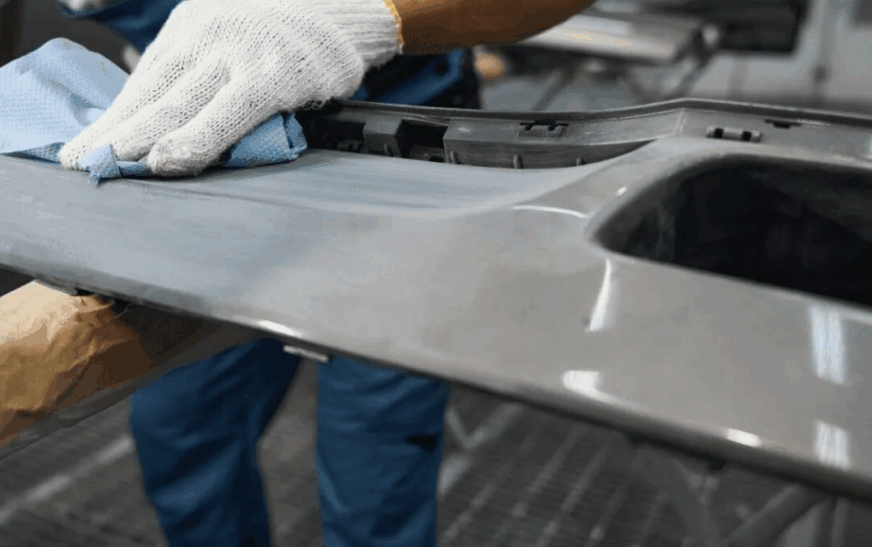
Finish options are extensive, from mill finish to powder coating, brushing, and anodising. This allows companies to tailor the look and performance of aluminium products to their exact project specifications—particularly important in high-end commercial or architectural projects where the finish can be as important as function.
A Material for the Future
With the ongoing push toward smart cities, modular construction, and sustainable transport, aluminium is well positioned to remain the metal of choice in Australia. Its unique blend of strength, lightness, resistance, and recyclability makes it one of the few materials that can adapt to almost any industry trend.
As technology advances and manufacturing techniques improve, we’re likely to see even more applications for aluminium in areas like 3D printing, robotics, aerospace, and renewable energy. Australian businesses that invest in aluminium today are future-proofing their operations for the decades ahead.
Final Thoughts: Why Aluminium Reigns Supreme
Aluminium dominates the Australian metal market not because it’s trendy, but because it makes sense. Its practical advantages—durability, weight, resistance to weather, and ease of fabrication—line up perfectly with Australia’s demanding environmental and economic conditions.
From the mines of Queensland to the factories of Victoria and the construction sites of Western Australia, aluminium is everywhere. And as industries shift toward greener, smarter solutions, its role will only grow stronger.
In a competitive landscape where performance, sustainability, and reliability are more important than ever, aluminium isn’t just keeping up—it’s leading the way.