
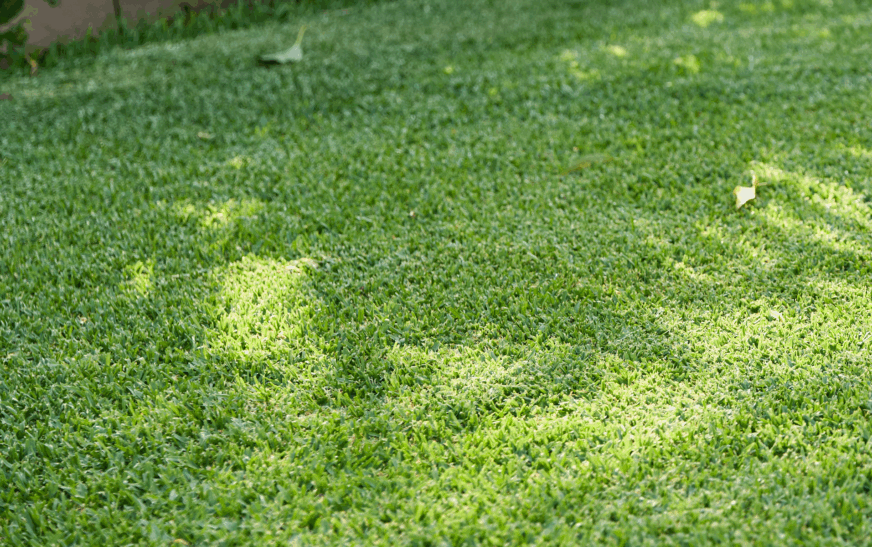
Homeowners often notice their once-vibrant green lawns fading to a dull brown or yellow, and growth coming to a near halt during winter. But is this normal? Yes. Is it preventable? To some degree, yes again.
The reality is that Australian winters, especially in the southern and inland regions, significantly affect lawn grass. Understanding how and why this happens is key to proper lawn care and ensuring your turf bounces back strong when spring arrives.
What Happens to Grass in Winter?
During winter, most warm-season grasses—like couch, kikuyu, and buffalo—enter a state of semi-dormancy. This is a natural defence mechanism that helps them survive the cold, especially in areas where temperatures drop below 10°C regularly. You’ll see less growth, thinner blades, and a general loss of colour.
Cool-season grasses such as fescues or ryegrasses will fare better and continue to grow slowly in milder climates, but they’re not as commonly found in Australian backyards unless intentionally planted.
Discolouration and Browning
If your lawn starts turning yellow or light brown in winter, don’t panic—it doesn’t necessarily mean the grass is dying. Discolouration is common during dormancy. However, if the browning comes with softness, mushiness, or a foul smell, you could be dealing with fungal problems or poor drainage, which require immediate attention.
Increased Susceptibility to Weeds and Disease
With growth slowed down, your lawn becomes more vulnerable to weed invasion and fungal diseases. Winter weeds like winter grass (Poa annua) can take over bare patches, while cold and wet conditions encourage fungal outbreaks like brown patch or dollar spot. Good lawn care in the lead-up to winter can reduce these risks.
Different Climates, Different Impacts

Australia’s climate zones range from temperate to tropical, and this directly affects how winter impacts your lawn.
Temperate Zones (e.g. Melbourne, Adelaide, Canberra)
Winters here are cold and often wet. Grass goes dormant earlier and takes longer to recover. You’ll need to adjust your lawn care routine to avoid overwatering and compacting the soil.
Subtropical Zones (e.g. Brisbane, Gold Coast)
Grasses still slow down, but dormancy is less extreme. Lawns may retain more of their green colour and recover faster in spring.
Tropical Zones (e.g. Darwin, northern Queensland)
Winter effects are minimal. Most warm-season grasses continue to grow, though at a slower rate.
Coastal Areas vs. Inland Regions
Coastal areas benefit from milder temperatures and sea air, while inland areas are more prone to frost and rapid heat loss at night, which can severely affect grass health.
Essential Lawn Care Tips for Winter Survival
Winter lawn care doesn’t stop when the temperature drops. In fact, it’s the season when your lawn needs strategic attention to stay healthy beneath the surface. Here’s what you can do:
1. Adjust Your Mowing Routine
As growth slows, reduce mowing frequency. However, don’t let your grass grow too long—it can trap moisture and encourage fungus. Aim to mow only when needed and never cut more than one-third of the blade.
2. Stop or Reduce Fertilising
Feeding your lawn in winter isn’t usually necessary unless you’re using a specialised slow-release winter blend. Over-fertilising can lead to burnt patches or encourage weed growth.
3. Control Weeds Early
Weeds can establish easily when your lawn is dormant. Apply a selective herbicide or hand-pull visible weeds before they go to seed. This is crucial for maintaining strong grass coverage.
4. Improve Drainage and Reduce Traffic
Avoid walking on wet or frosted lawns, which can damage the weakened grass and compact the soil. If your yard has drainage issues, consider aerating in early autumn or early spring to improve air and water movement.
5. Water Wisely
Watering needs drop drastically in winter. Only water if your lawn is looking extremely dry and the weather is mild. Overwatering can cause root rot or promote fungal infections.
6. Clear Debris Regularly
Leaves, twigs, and other organic matter can suffocate the grass. Rake up debris regularly to let sunlight reach your lawn and prevent fungal buildup.
How to Prepare Your Lawn Before Winter Hits
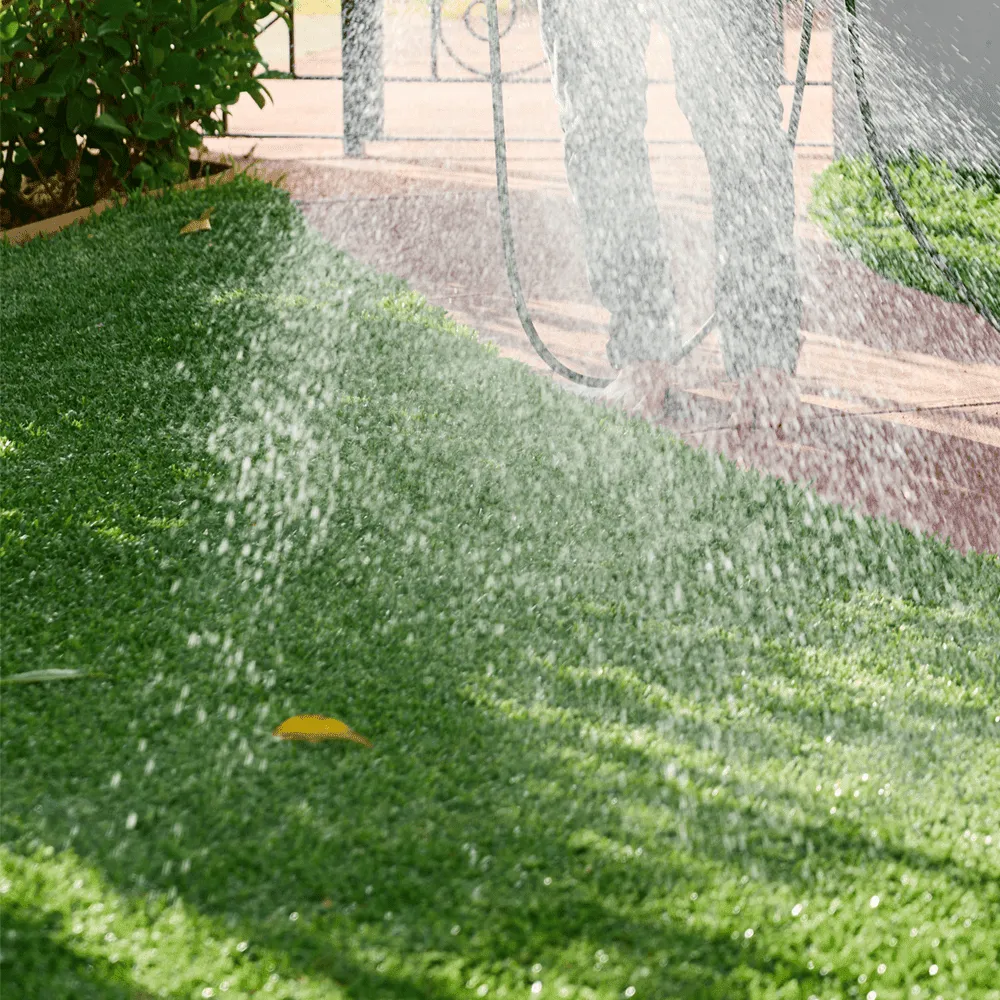
A good lawn care routine before winter can make a huge difference in how well your lawn survives the cold months.
Early Autumn Tasks:
- Aerate compacted soil to improve root oxygenation.
- Top-dress bare patches with a sand-soil blend and reseed if needed.
- Apply a slow-release fertiliser suited for autumn use.
- Give your lawn one final haircut before growth slows.
- Check for signs of pests and diseases and treat accordingly.
Being proactive means your lawn enters winter in top condition, with dense root systems and fewer bare spots—both of which help it bounce back faster in spring.
Final Thoughts: Stay One Step Ahead with Smart Lawn Care
Australian winters can be tough on your lawn, but they don’t have to be destructive. With the right preparation and smart lawn care techniques, you can minimise damage, control weeds, and support your grass through the colder months. Whether you’re dealing with frost-prone areas in Victoria or mild winters in coastal Queensland, a tailored approach makes all the difference.