
When everything “just works”, most people never think about what’s sitting behind plaster, above ceilings, or tucked into plant rooms. That’s the point. The best behind-the-walls work stays quiet, stays safe, and keeps day-to-day operations moving without anyone needing to babysit it.
The catch is that hidden work is hard to inspect once it’s covered up. If electrical and controls installation is rushed, you can be stuck with nagging faults for years. Getting it right early is usually cheaper than “fixing it later”, because later often means opening walls, shutting down areas, or working around people.
What “Behind-the-Walls” Really Includes
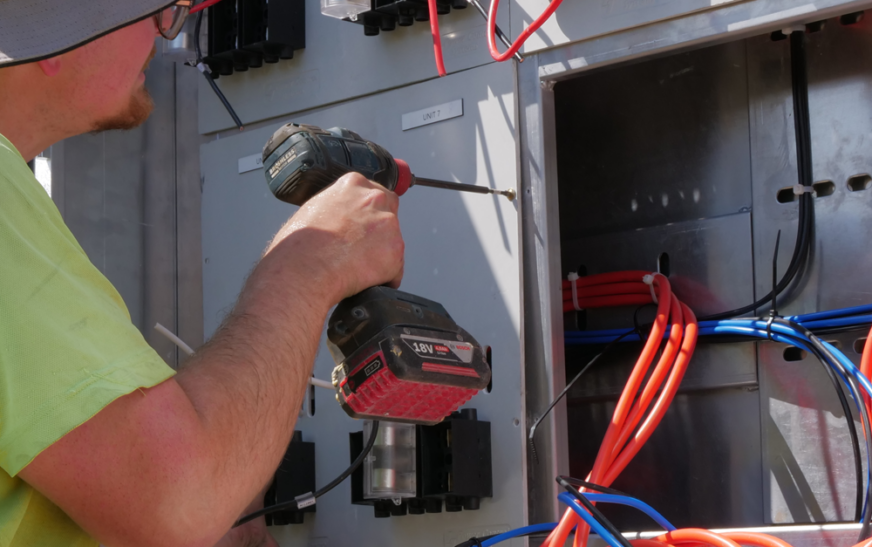
Behind-the-walls work is more than cables in conduit. It’s the practical backbone that connects power, sensors, controls, and equipment into something that can be operated and maintained without drama.
It usually includes:
- Fixed wiring and distribution (feeds, submains, final subcircuits)
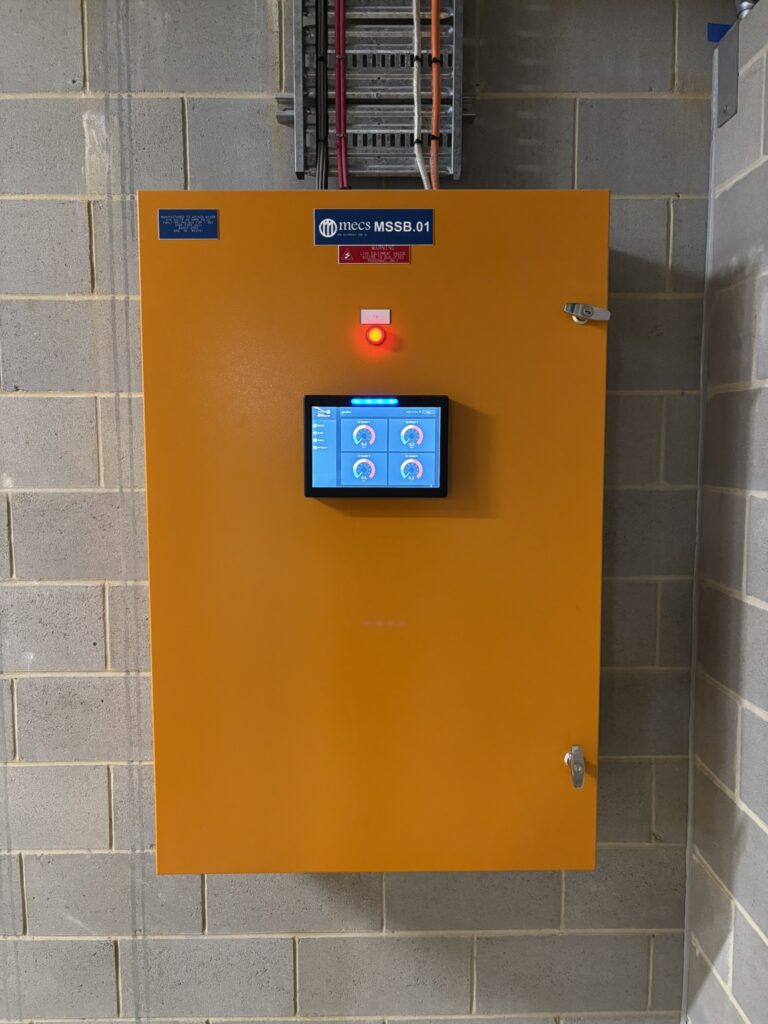
- Switchboards, control cubicles, and isolation points
- Controls wiring for mechanical services (HVAC, ventilation, pumps)
- Monitoring devices (fault signals, run status, alarms)
- Safety systems and interlocks (shutdowns, trips, permissives)
- Commissioning setup (I/O checks, point-to-point verification, functional testing)
If your site relies on mechanical plant, there is a good chance you are relying on a proper electrical and controls installation whether you call it that or not.
Why Hidden Work Decides Reliability
Visible finishes get attention because they’re easy to judge. Hidden work decides reliability because it determines how the system behaves when something changes, fails, or needs servicing.
Good behind-the-walls work tends to deliver:
- Fewer nuisance trips and unexplained faults
- Faster fault-finding, because circuits and signals are labelled and documented properly
- Less downtime, because isolations are logical and access is planned
- Safer servicing, because lockout points and separation are sensible
- Easier upgrades, because capacity and pathways were allowed for
Poor behind-the-walls work usually shows up as “mystery problems” that keep returning, especially when the site is busy, warm, humid, or running close to capacity.
Coordination with Mechanical Services
Mechanical plant is where a lot of behind-the-walls work earns its keep. HVAC, ventilation, pumps, and controls have to come together as one system, not separate packages that happen to be near each other.
Coordination means agreeing early on:
- Who provides what, and where responsibilities start and end
- Cable routes and containment, including penetrations and fire-stopping requirements
- Points list and control philosophy (what the system should do in normal and fault conditions)
- Locations for sensors, actuators, controllers, and isolations
- Space for access and servicing, especially in ceilings and plant rooms
A strong electrical and controls installation is usually the result of tight coordination, not heroics at the end.
Handover That Sets the Site Team Up for Success
If handover is weak, the site ends up relying on memory and guesswork, which leads to errors and unnecessary call-outs. Good behind-the-walls work should come with information that makes maintenance easier.
A useful handover pack typically includes:
- As-built drawings that match what was actually installed
- Updated circuit schedules and labelling conventions
- Test results and commissioning records
- A points list for controls, including setpoints and operating notes
- A short operational run-through for the site team, focused on what they will touch day to day
This is also where serviceability shows up. If access is awkward or isolation is unclear, the site team will find out quickly.
Questions to Ask Before You Approve an Install
You do not need to be an electrician to ask practical questions. The goal is to uncover whether the team is building something that will be easy to operate and maintain.
Useful questions include:
- How will isolations be arranged for servicing, and can they be reached safely?
- What spare capacity is being allowed for future additions or upgrades?
- How are control and power cables being segregated to avoid interference?
- What labelling standard is being used, and how will it match drawings?
- What does commissioning include, and what evidence will be provided at handover?
- If something fails at 2 am, what will the operator see and what can they do safely?
These questions steer the job toward long-term performance, not just getting to practical completion.
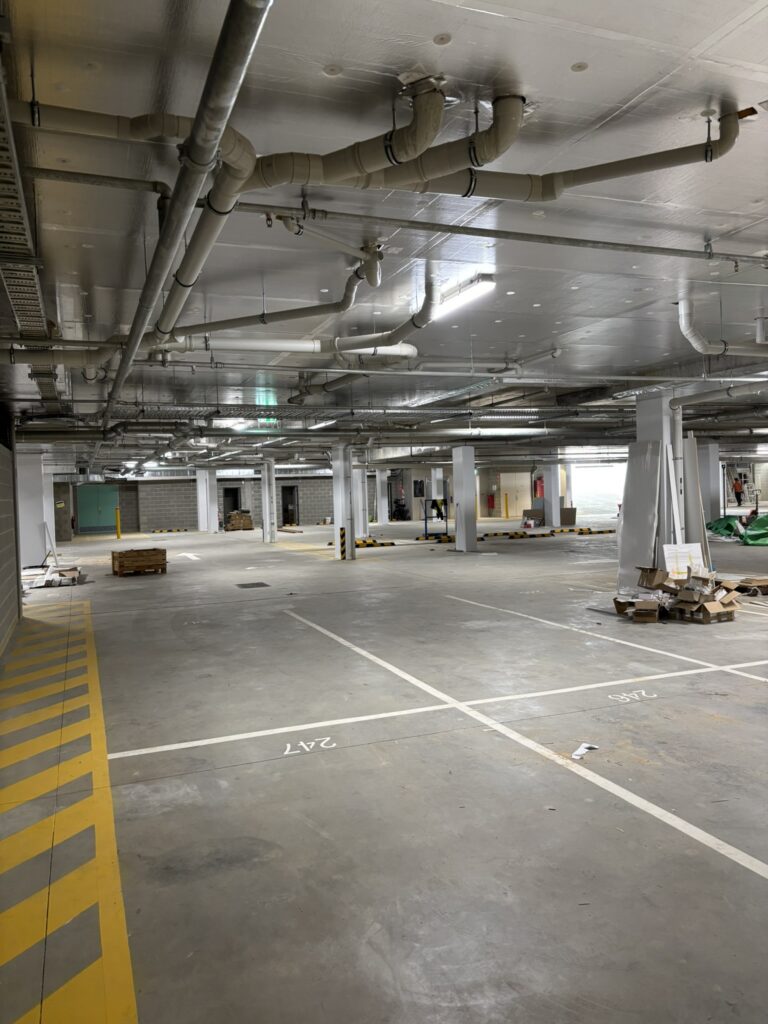
Signs You Need an Upgrade Behind the Walls
Sometimes the best move is not patching another fault, it’s improving the foundation. Older sites often outgrow their original capacity or controls.
Common signs include:
- Frequent nuisance trips, blown fuses, or unexplained resets
- Plant that cannot maintain comfort during peak conditions
- Operators bypassing controls or running equipment manually to keep up
- Poor visibility of faults, leading to slow response times
- Boards that are overfilled, messy, or showing heat and wear
- No safe, logical isolation for servicing equipment
In many cases, upgrading the behind-the-walls work delivers better reliability without needing to replace every piece of equipment.
Final Thoughts
Behind-the-walls work is not the glamorous part of a build, but it is the part that keeps a site running properly after the handover photos are done. Good outcomes come from planning for serviceability, coordinating early with mechanical services, and commissioning properly so the system is proven, not assumed.