
When the mercury drops, the last thing you want is a ducted heater that throws in the towel. Yet every winter, plenty of Aussies find themselves huddled in jumpers, waiting for a tech to turn up. So how likely is a breakdown, really?
It depends on a mix of age, usage patterns, installation quality, the local environment, and yes—maintenance—but there are many other culprits. Let’s unpack the usual suspects so you can spot trouble early and keep the house toasty without drama.
The “It’s Old and Tired” Factor
Even if your system still “works”, age quietly increases the odds of failure. Components fatigue, seals harden, and electronics become temperamental.
Why age matters:
- Wear and tear stacks up: motors, bearings, igniters, control boards—everything has a service life.
- Spare parts get harder to source as models are discontinued.
- Efficiency and safety standards improve over time, so older gear is more fragile and less forgiving.
What to watch for:
- Strange cycling patterns (short bursts on and off).
- A fan that rattles or whines.
- Delays in ignition for gas units or frequent rebooting for electric systems.

Poor Installation or Dodgy Retrofits
A ducted heater that’s been slapped in without proper commissioning is a ticking clock. The system might limp along for a season or two, but the odds of failure shoot up.
Typical install sins:
- Undersized or oversized units straining to meet demand.
- Sloppy duct runs, crushed sections, or air leaks that cause overheating or sensor misreads.
How to tell:
- Uneven temps room to room.
- Breakers tripping or fuses blowing when the system starts.
- A “whooshing” or “fluttering” sound in the ducting hinting at pressure issues.
Dust, Mould, and Debris Build-Up
We live with a lot of airborne junk—dust, pet hair, pollen, renovation debris. Inside a ducted heater, that gunk insulates components, clogs filters, and can lead to overheating or flame sensing issues.
What build-up does:
- Forces blowers and fans to work harder, raising energy use and wear.
- Triggers safety cut-outs if temperatures spike inside the unit.
- Encourages mould growth in damp ductwork, which isn’t just unhealthy—it can gum up moving parts.
Mitigation basics:
- Change or wash filters on schedule.
- Vacuum return air grilles and keep the area around indoor units clear.
- Consider professional duct cleaning if you’ve done major renovations or notice musty smells.
Electrical Gremlins and Control Failures
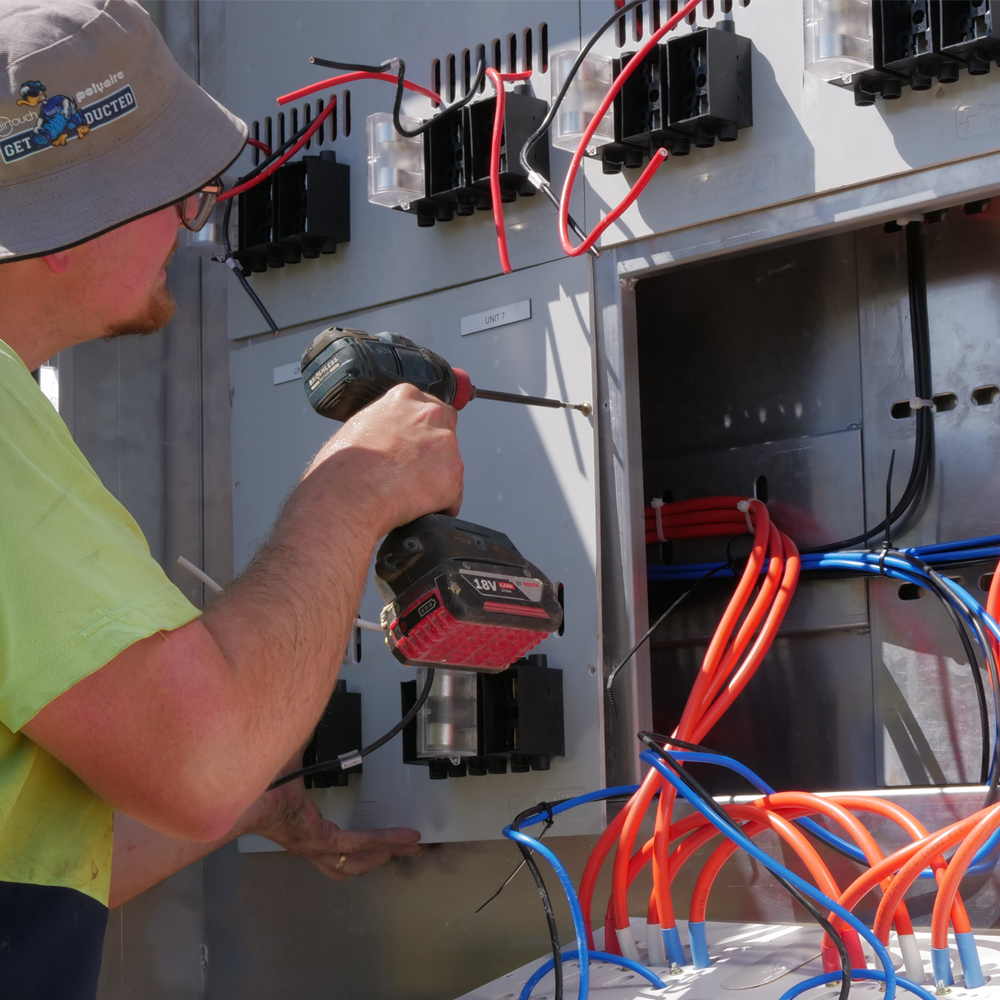
Modern ducted heaters rely on circuit boards, sensors, and smart thermostats. A single loose connection or surge can sideline the whole system.
Typical electrical pitfalls:
- Power surges during storms frying boards (cheap surge protection is better than none).
- Corroded terminals from coastal air.
- Thermostat misplacement—if it’s near a drafty door or in direct sun, it’ll send nonsense signals.
Red flags:
- Random shutdowns and error codes that reset when you power cycle.
- The system running but delivering cold air.
- Thermostat lagging behind the actual room temperature by several degrees.
Gas Supply or Combustion Issues (For Gas-Fired Systems)
If you’ve got a gas ducted heater, combustion needs to be spot-on. Anything that interferes—blocked flues, low gas pressure, cracked heat exchangers—can trip safeties or worse.
Common combustion-related causes:
- Blocked flue or vermin nesting in the exhaust path.
- Faulty flame sensors coated in soot.
- Heat exchanger cracks leading to shutdowns (and potential carbon monoxide risk).
What you’ll notice:
- Heater lights, then shuts off after a few seconds.
- Yellowish flames instead of crisp blue (leave inspection to a tech—safety first).
- Soot marks or a burnt smell around the unit.
Thermostat & Sensor Misreads
If the brain of the system gets confused, performance nosedives. Sensors drift out of calibration, and thermostats misinterpret the room temp.
Symptoms of bad data:
- The unit cycles constantly or barely runs at all.
- Set 22°C, but it feels like 18°C in the room.
- Hot or cold spots far from the thermostat.
Quick checks:
- Ensure furniture or curtains aren’t blocking airflow around the thermostat.
- Replace thermostat batteries annually (if applicable).
- Ask your tech to verify sensor calibration during a service.

Airflow Restrictions: Duct and Vent Problems
Heating relies on smooth airflow. Anything that constricts it makes the system strain.
Likely culprits:
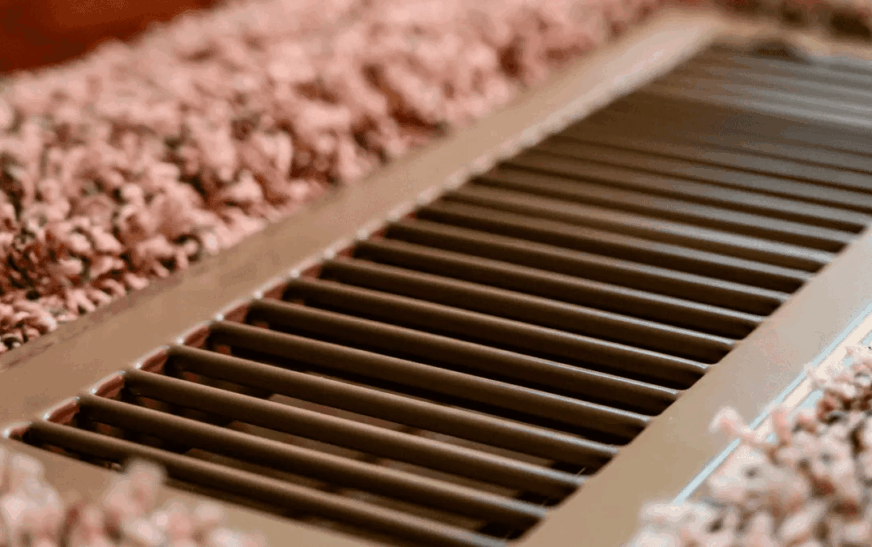
- Furniture shoved up against return vents.
- Closed or half-closed supply registers causing pressure imbalance.
- Duct insulation slipping off, leading to condensation and collapse.
Signs of airflow trouble:
- Reduced air velocity at vents.
- Hot air in the roof space (leak) but not in your lounge.
- The system shuts down with an overheat error after a short run.
Final Word: Plan, Don’t Panic
No system is immortal. But knowing the common failure points helps you act before a frosty night turns into an emergency. Keep the basics under control—clean filters, clear vents, sensible thermostat use—and schedule a pro to give the unit a once-over before the coldest weeks hit.
Winter in Australia isn’t Arctic-level brutal, but it’s cold enough to make a heater breakdown a genuine headache. A little forethought now means fewer shivers later—and a much better chance your heating will sail through the season without a hitch.