

When you think about live music, it’s easy to focus on the performer, the instruments, or even the crowd. But there’s another major factor that often gets overlooked — the location itself. Where a performance happens can completely change the mood, the energy, and even the sound of the music. Whether it’s an open-air festival, a historic hall, or a remote village, the setting plays a powerful role in shaping the musical experience.
Acoustic Qualities: Natural Sound Versus Engineered Sound
The acoustics of a location are one of the most obvious ways it affects a live performance. A modern concert hall is designed to enhance sound clarity and distribution, making every note crisp and precise no matter where you’re sitting. On the other hand, historic buildings like those at Fairbridge Village offer a completely different acoustic experience.
Older structures, with their wooden floors, stone walls, and high ceilings, create warm, rich sounds that can’t be replicated in a standard venue. Musicians often find that these settings lend their music an authentic, earthy quality. It might not always be perfect — echoes and slight imperfections can happen — but these natural quirks often add charm and emotional depth to the performance.
Atmosphere and Mood: Setting the Scene
Beyond sound, the atmosphere created by a location can completely shift the energy of a performance. Think about the difference between seeing a band play in a sterile conference centre versus a lively outdoor market. The surroundings, the architecture, the natural environment — they all create a vibe that affects both the artists and the audience.
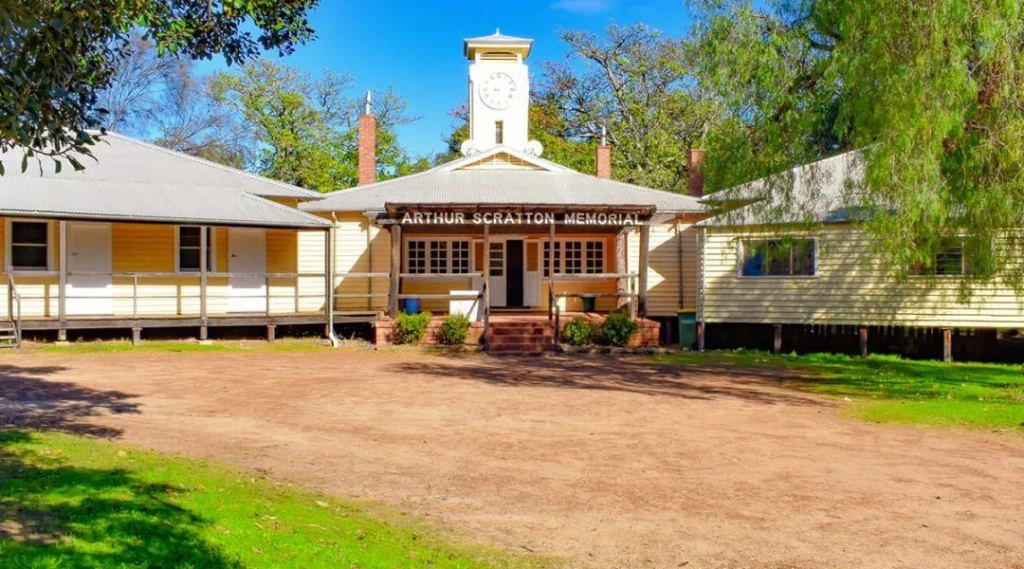
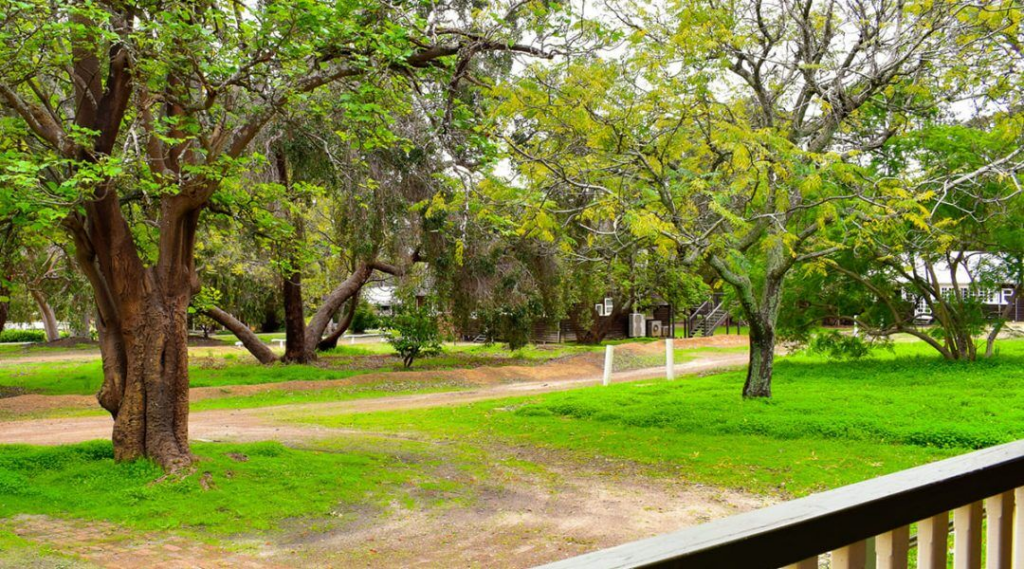
Rustic locations like Fairbridge Village are a perfect example. The historic cottages, open spaces, and bushland backdrops create an immediate sense of warmth and nostalgia. When musicians perform in a place with real character, it shows. They feel more connected to the environment and, often, more connected to their audience.
Similarly, audiences tend to let their guards down in more relaxed, picturesque settings. People sitting under the stars or gathering in a heritage-listed building are already in a more receptive, emotional frame of mind. That heightened mood can turn a good performance into a magical one.
Emotional Connection: Creating Lasting Memories
One of the biggest reasons location matters is the emotional connection it creates. A powerful performance isn’t just about technical skill — it’s about creating a shared moment between the artist and the audience. The right setting makes that connection easier.
Take a place like Fairbridge Village in Pinjarra. Its rich history and beautiful scenery add extra layers of meaning to every performance. People aren’t just hearing music; they’re stepping into a story. The rustic charm, the history seeping from every building, and the feeling of being somewhere timeless all enhance the emotional power of the music.
Logistics and Practical Challenges
Of course, not every effect a location has on music performances is positive. Some locations, especially outdoor or rustic ones, present real logistical challenges. Weather can be a major factor for outdoor gigs. Rain, wind, or extreme heat can affect equipment, instruments, and audience comfort.
Remote locations might have limited access to power, lighting, and sound reinforcement. Historic buildings might not have modern amenities like air conditioning or ample parking. Musicians and organisers have to plan carefully to deal with these challenges.
Audience Engagement: Breaking Down Barriers
Location also has a huge impact on audience engagement. Traditional concert venues can sometimes feel formal or intimidating, especially for casual music lovers. In contrast, less conventional settings — like Fairbridge Village’s music spaces — often feel more welcoming and personal.
When people are relaxed, they’re more likely to engage with the music and with each other. Smaller, rustic venues create a sense of intimacy that’s hard to replicate in a larger, more polished space. Musicians can make eye contact with the crowd, react to their energy, and even have conversations during the performance. That two-way connection is a big part of what makes live music so special.
Cultural and Historical Context: Adding Depth to the Performance
Another important way location affects music performances is through cultural and historical context. When musicians perform in places rich with history or cultural significance, the music naturally takes on deeper meaning.
Fairbridge Village, for instance, carries a sense of Australian heritage. Performers there aren’t just playing music; they’re adding their voices to a long and evolving story. The connection to the past brings a new dimension to the performance. Songs about love, struggle, hope, or joy feel even more powerful when performed somewhere that has witnessed decades of human experiences.
Conclusion: The Power of Place
In the end, location isn’t just a backdrop for live music — it’s a vital part of the performance itself. Whether it’s the natural acoustics, the mood created by historic buildings, the emotional power of a beautiful setting, or the practical challenges that force musicians to be creative, the place you choose matters.