
For many Australian homeowners, a wood fireplace offers a comforting blend of rustic charm and reliable warmth. But let’s be honest—running one can sometimes feel like feeding a money pit. Between firewood costs, maintenance, and the occasional inefficiency, the bills can add up if you’re not careful. The good news? With a few simple strategies and smart choices, you can make your wood fireplace significantly more cost-effective without sacrificing the ambience or heat it provides.
Here’s how to keep your fireplace burning bright while trimming those running costs.
1. Choose the Right Type of Wood Fireplace
First things first—if you’re still using an outdated open fireplace, it might be time for an upgrade. While they look great, open fireplaces are notoriously inefficient. A large portion of the heat escapes straight up the flue rather than warming your home.
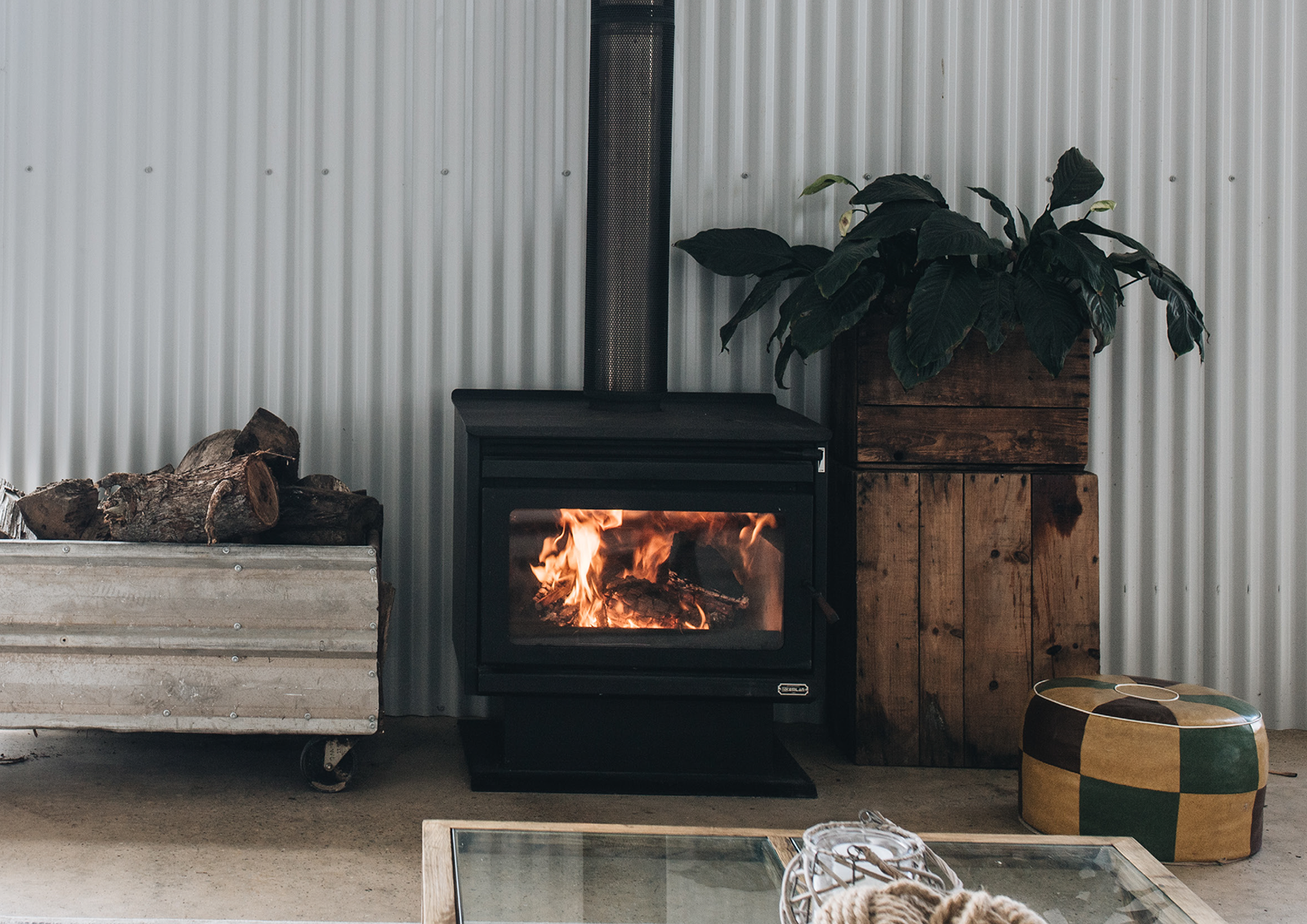
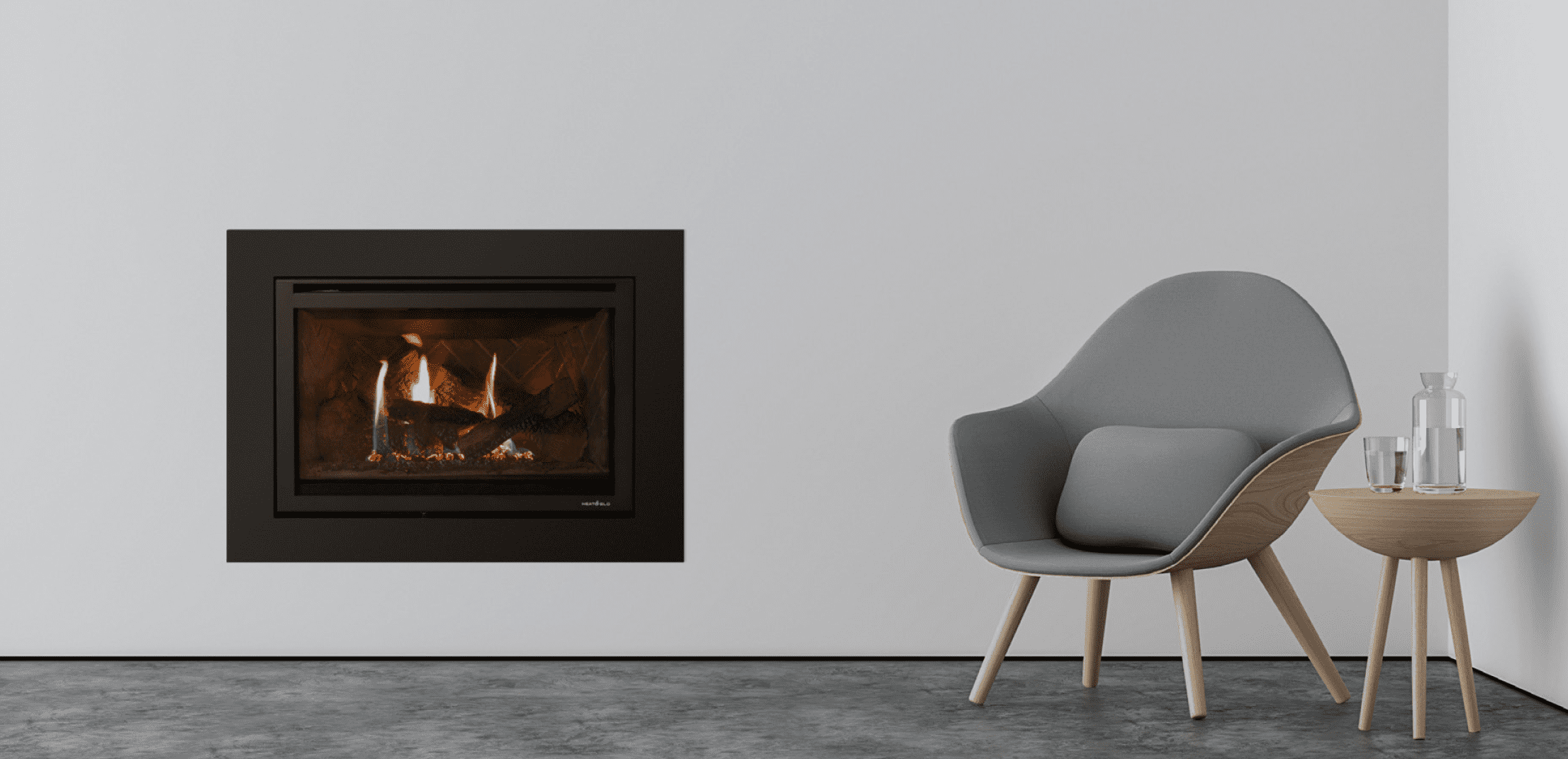
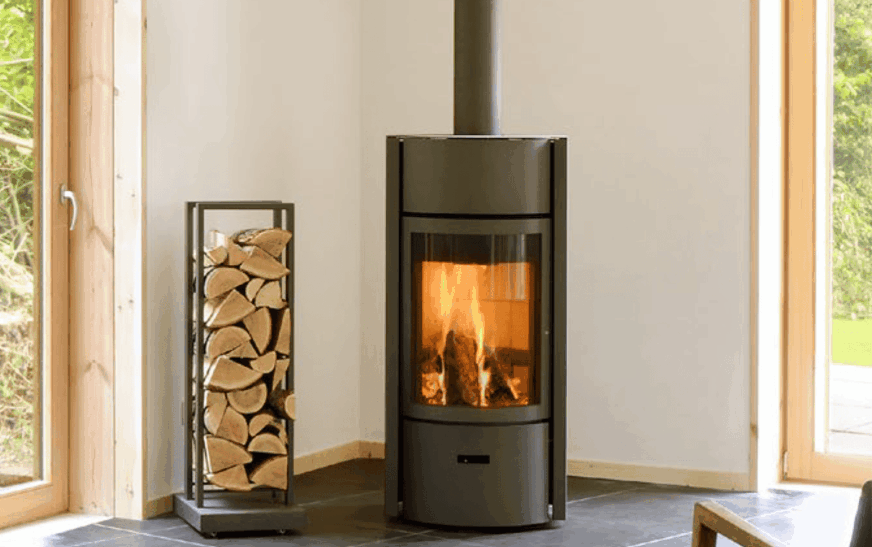
Instead, consider a modern wood heater insert or freestanding wood fireplace. These are built to retain and distribute heat far more efficiently. They often come with built-in fans or convection systems that help move the warmth throughout your home.
If you’re planning a renovation or building a new home, investing in a high-efficiency wood fireplace from the start can pay off significantly over the long term.

2. Burn Seasoned Hardwood—Not Just Any Wood
The type of wood you burn makes a massive difference to both heat output and cost. Hardwoods like ironbark, box, and red gum are denser and burn hotter and longer than softwoods, making them more efficient for heating.
But the real key? Make sure it’s properly seasoned. That means the wood has been left to dry for at least 12 months. Green or wet wood burns poorly, produces less heat, and creates more smoke and creosote build-up in your flue—which, in turn, leads to more frequent cleanings and higher running costs.
You’ll know your wood is seasoned if it sounds hollow when you knock two pieces together, has cracks in the end grain, and feels noticeably lighter than freshly cut logs.
3. Maintain Your Fireplace and Flue Regularly
Just like your car needs regular servicing to run efficiently, your fireplace requires routine maintenance to work at its best.
A blocked or dirty flue not only reduces efficiency but also increases fire risk. Creosote build-up (a tar-like residue from burning wood) can choke off airflow and make your fire harder to start and keep going, leading to wasted wood and poor heating performance.
Get your flue inspected and cleaned at least once a year—ideally before winter hits. If you use your fireplace daily during the colder months, a mid-season check-up is also a good idea.
Also, check the door seals, air vents, and firebricks regularly. Worn-out seals can allow too much air in and reduce burn efficiency, while damaged firebricks won’t reflect heat properly into your living space.
4. Maximise Heat Retention Inside Your Home
You can have the most efficient fireplace in the world, but if your home leaks heat like a sieve, you’ll still be wasting money.
To get the most out of your wood fire, take steps to insulate and retain warmth where it matters most. This includes:
- Sealing draughts around doors and windows
- Installing heavy curtains or blinds
- Adding insulation to your ceiling and walls if not already in place
- Using rugs on floorboards to reduce heat loss through gaps
Also, make sure you’re only heating the spaces you’re using. Shut the doors to unused rooms so the heat stays where you need it most.
5. Learn to Use the Air Vents Properly
Many Australians don’t realise just how much control they have over their fireplace’s performance. Those little air vents on your unit? They’re not just decoration.
Airflow affects how hot the fire burns, how quickly the wood is consumed, and how much smoke is produced.
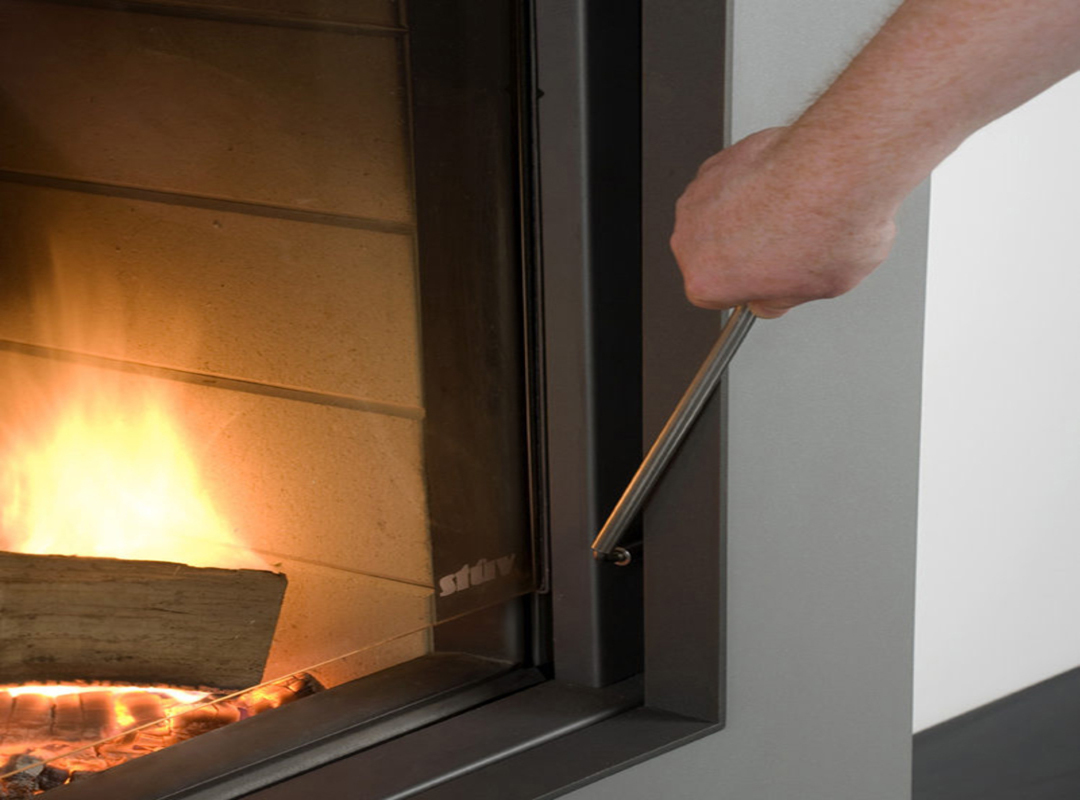
- When starting a fire, open the vents fully to get maximum oxygen into the system.
- Once the fire is burning steadily, reduce the airflow to slow the burn and maintain heat for longer.
- Don’t close the vents too much, or you risk producing excess smoke and creating creosote build-up.
Mastering the balance between airflow and fuel usage is one of the simplest, most cost-effective habits you can build.
6. Stack and Store Firewood Correctly
Buying good firewood is only half the battle—how you store it matters just as much. If your woodpile is exposed to the elements, your investment could literally rot away.
Build or buy a raised wood storage rack with a roof to keep your logs dry and well-ventilated. Stack the wood loosely to encourage airflow and avoid placing it directly against your home, which can attract termites.
7. Use a Heat-Powered Fan to Distribute Warmth
Not all the heat from your fireplace will automatically travel through your home. In fact, most of it tends to linger right around the fireplace unless you do something about it.
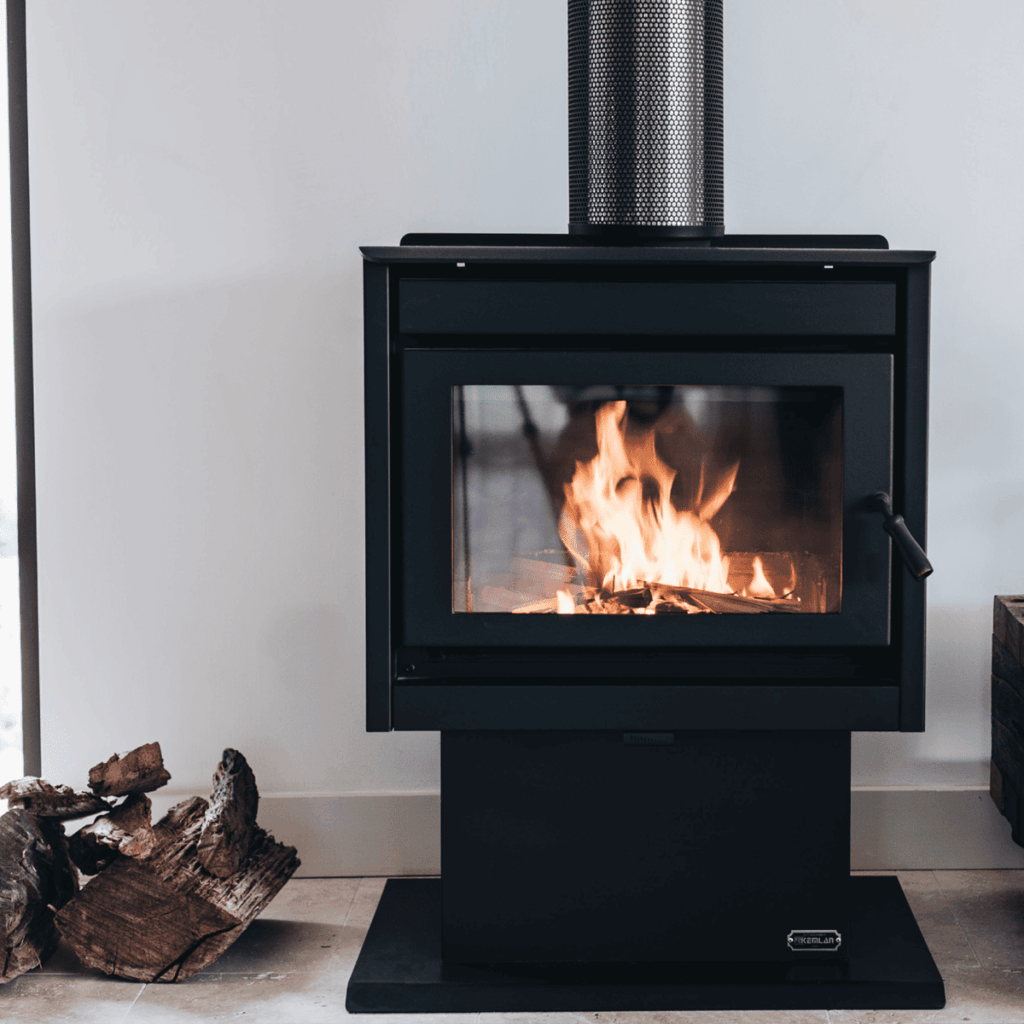
A simple solution is a heat-powered stove fan. These sit on top of your fireplace and use the heat from the surface to spin the blades—no electricity required.
They’re a brilliant way to push warm air further into the room and reduce the amount of firewood you need to feel toasty. If you’re using a freestanding fireplace, especially in a large room, this little upgrade can really improve the efficiency of your heating.
Final Thoughts
Wood fireplaces continue to be a favourite across Australia, especially in cooler regions like Melbourne where the winter chill sets in hard. But if you’re not using yours efficiently, you could be burning through more than just logs—you’re burning through cash, too.
With smart wood choices, good airflow management, consistent maintenance, and heat-saving home adjustments, you can keep that fireplace as cost-effective as it is cosy.