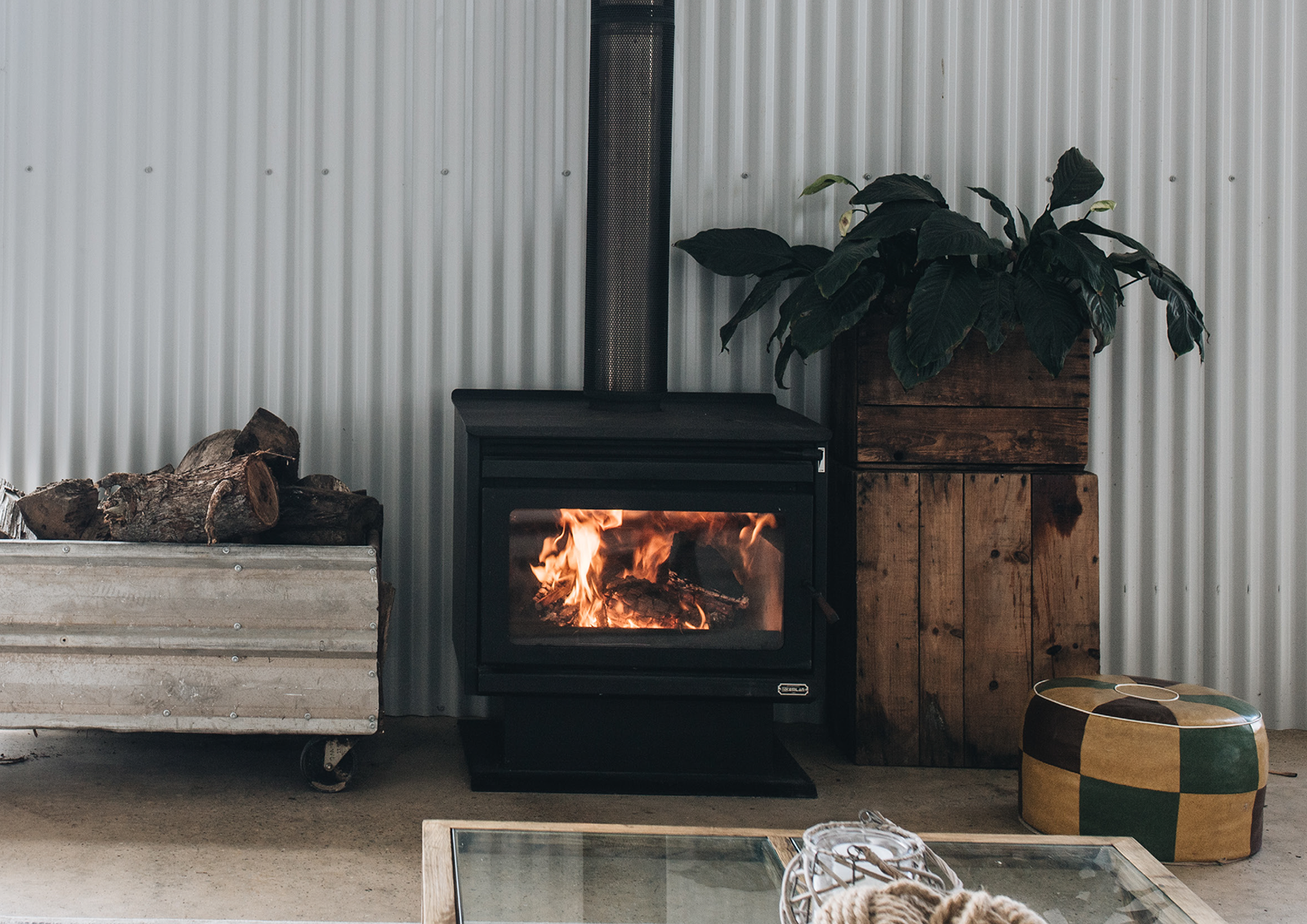

When the heating season winds down in Australia, a proper end-of-season fireplace cleaning is one of the simplest ways to protect your fireplace, improve indoor air quality, and make next winter cheaper and easier to run. Skipping this step can leave soot, ash, and residue to harden over months, which makes the next startup smoky, inefficient, and potentially unsafe.
Why End-Of-Season Cleaning Matters
A fireplace works hard all winter. Creosote and soot build up on internal surfaces. Ash absorbs moisture. Glass doors collect a fine film that can etch the surface. Small issues, like deteriorating gaskets or hairline cracks, are easy to miss when the unit is in daily use.
End-of-season fireplace cleaning gives you a clear view to inspect wear and tear, correct small problems early, and lock in a better burn when the cold returns.
What Happens If You Skip It
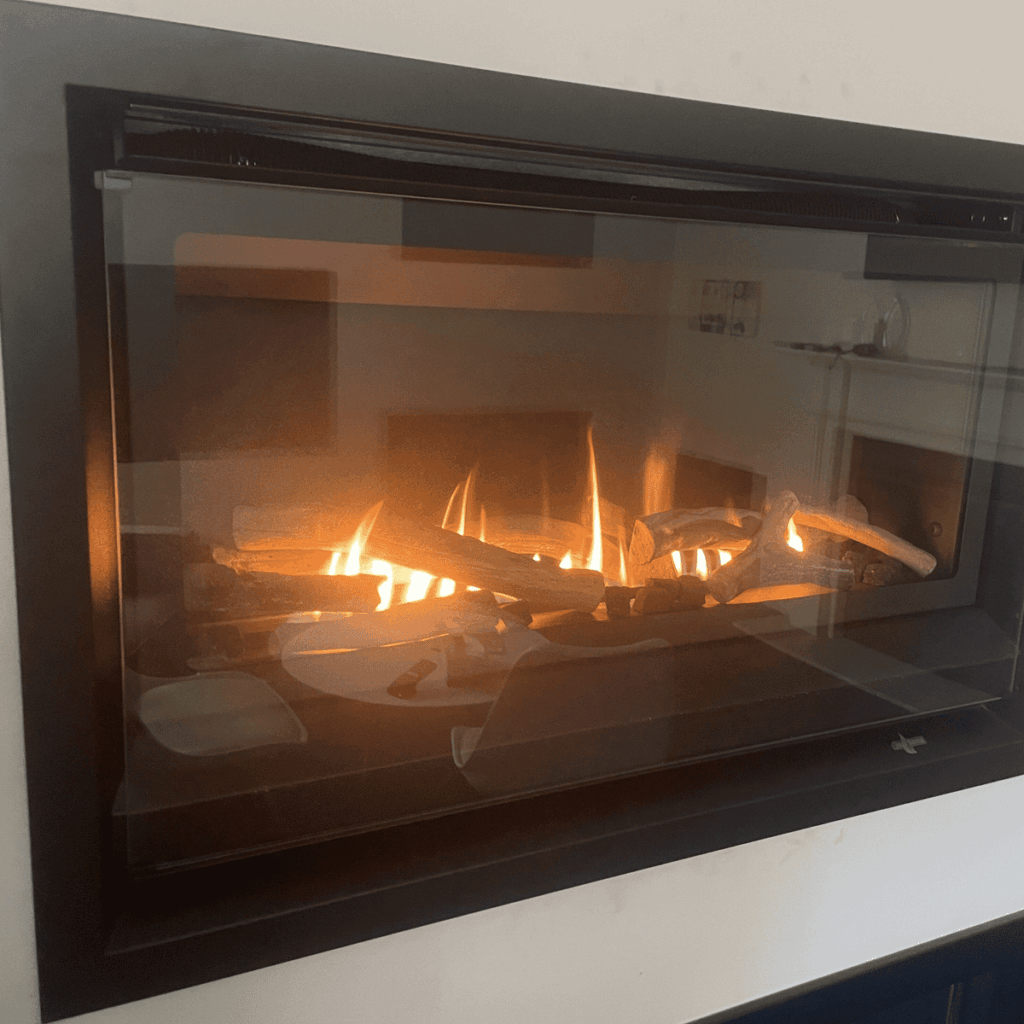
Putting off a deep clean until next winter usually means dealing with stubborn deposits after they have had months to set. That translates to more elbow grease, stronger cleaners, and higher risk of scratching glass and trims. You also increase the chance of smells when spring humidity hits leftover ash and soot. Worst case, unnoticed build-ups can contribute to poor draft, smoky starts, or even flue fires in wood heaters. Regular fireplace cleaning is cheap insurance against all of that.
The Big Benefits at a Glance
A proper end-of-season clean delivers practical gains that you will feel on the first cold night next year.
- Faster, cleaner ignition with less smoke
- Better heat output from clean firebricks and baffles
- Lower risk of odours in spring and summer
- Easier maintenance because grime has not hardened
- Early detection of parts that need replacement
Safety First Before You Start
Fireplaces can look harmless when cold, but safety still comes first.
- Confirm the unit is completely cold
- Switch off gas or isolate electricity where applicable
- Wear gloves, safety glasses, and a dust mask
- Protect floors with drop cloths
- Keep a metal bucket for ash and use only fully cooled embers
Tools And Supplies You Will Need
Having the right gear makes fireplace cleaning quicker and neater.
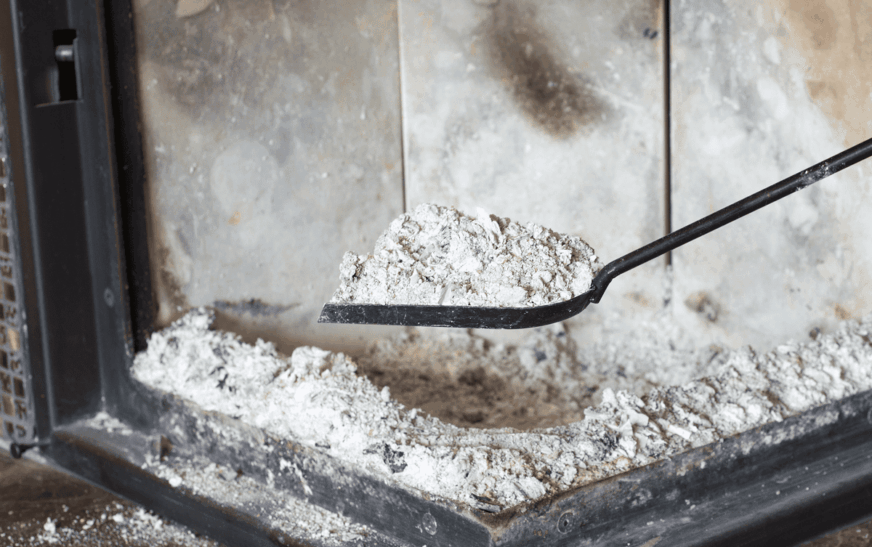
- Ash shovel and metal bucket with lid
- Soft brush, stiff nylon brush, and microfibre cloths
- Fireplace glass cleaner or diluted white vinegar for light film
- Non-scratch pads for glass and trims
- Vacuum with HEPA filter or an ash vacuum
- Mild detergent for surrounds and hearth
- High temperature paint touch-up kit if recommended by the manufacturer
- Replacement rope gasket or door seal cement for wood heaters if needed
Odour And Moisture Control for the Off-Season
Australian springs can be humid in many regions. Moisture and leftover soot can produce a stale smell.
- Leave the damper slightly open in wood heaters if the manufacturer allows, or use a purpose-made vented cap, to promote airflow
- Place a small moisture absorber or baking soda in the firebox to reduce odours
- Ensure the ash bucket is sealed and stored outside in a safe area
- Keep the area around the hearth clutter-free so air can circulate
Storage Tips for Tools and Accessories
Good storage habits make next season smoother.
- Clean and dry fireplace tools before putting them away
- Replace worn gloves now so you do not forget later
- Coil and secure fan cords or remote controls for gas and electric units
- Keep spare gaskets, glass cleaner, and a new pack of firelighters together so your first cold night is simple

How To Choose Between DIY And Professional Help
DIY fireplace cleaning suits many households, especially for routine tidy-ups. However, there are clear times to call a professional.
- You notice strong tar-like deposits or shiny creosote
- Smoke backs up into the room or you smell smoke when the unit is off
- There are cracks in firebricks, warped baffles, or loose flue sections
- You have a gas fireplace that has not been serviced in a year
- You just moved in and do not know the service history
A professional sweep or licensed gasfitter can handle the heavy work and confirm that the appliance meets safety requirements. Combining a professional inspection with your own fireplace cleaning is an excellent approach.
The Bottom Line
End-of-season fireplace cleaning is simple, low cost, and pays off immediately next winter. You will get a cleaner start, better heat, and a safer home. Whether you do it yourself or book a professional for the heavy lifting, the key is to act while the season is fresh in your mind.
Tick off the checklist, fix small problems now, and store everything dry and tidy. Your future self will thank you on that first chilly evening.