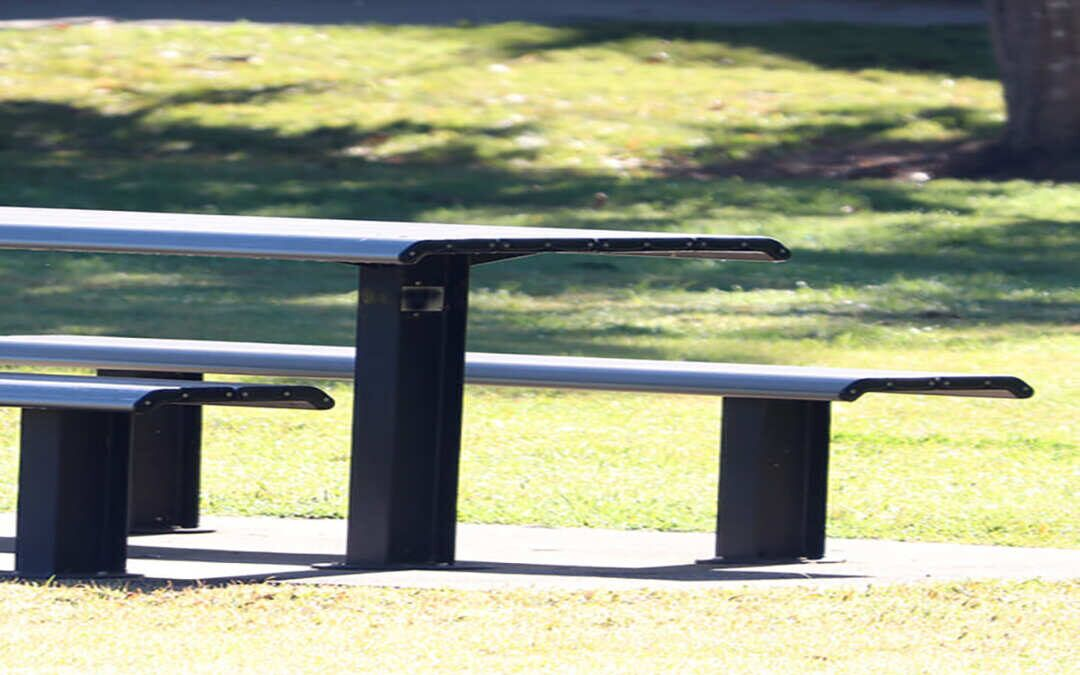


Some materials give you a bit of room to compromise. Sheet metal usually does not. On jobs where the finished panel will stay visible, where tolerances matter, or where repeated fabrication has to stay consistent, the quality of the sheet affects the result from the first cut.
That is why aluminium flat sheets are often chosen for practical, presentation-focused, and fabrication-heavy work. When buyers need aluminium flat sheets for jobs that demand neat finishes, reliable forming, and cleaner installation, better-quality stock makes a real difference.
Why Better Sheet Quality Matters on Certain Jobs
Not every use case asks the same thing from sheet metal. A hidden backing panel in a low-visibility area may tolerate small imperfections. A folded display panel in a retail fit-out usually will not. Once the work involves exposed surfaces, neat alignment, repeat production, or tight installation details, the material quality becomes part of the job outcome.
Poorer sheet quality can cause extra work in ways that are annoyingly ordinary. Panels may arrive with dents, scratches, or uneven edges. A sheet may not sit flat on the bench. Thickness can vary more than expected. A panel may resist forming evenly or need extra adjustment before it will fit where it is supposed to go. None of those problems look dramatic when discussed in theory, but they cost time in the workshop and can spoil the finished result on site.
Shopfitting and Retail Displays
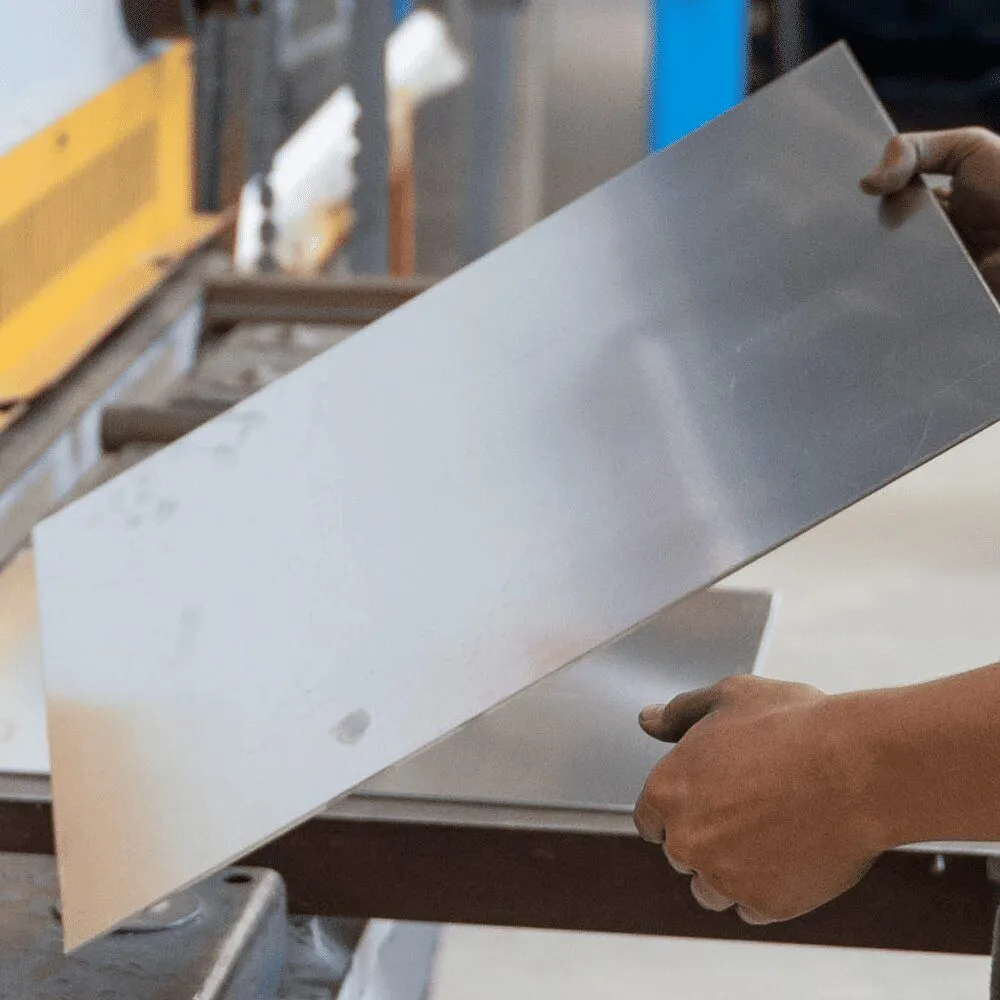
Retail environments are one of the clearest examples of where sheet quality matters immediately. Counters, wall linings, shelving features, kick plates, display panels, joinery details, and branded fit-out elements are usually visible at close range. If the surface is scratched, the panel looks wavy, or the folded edges are untidy, people notice.
This type of work also tends to be detail-heavy. Panels often have to line up neatly with glass, joinery, light fittings, and other finishes. The person fabricating the component needs the sheet to behave as expected, especially when several matching pieces are being made for the same store or for multiple locations.
Architectural Panels and Interior Features
Architectural work places a lot of pressure on finish quality. Feature wall panels, ceiling details, column wraps, decorative trims, screen panels, and internal cladding all need to look deliberate and well made once installed. Even small defects become more noticeable when panels are repeated across a large area or positioned under strong lighting.
Flatness matters here more than many people expect. A panel that does not sit properly can affect shadow lines, alignment, fixing points, and the overall look of the surface. That becomes harder again when multiple panels are installed together and the eye starts comparing one section to the next.
Signage and Display Fabrication
Signage can be surprisingly unforgiving. A panel may seem simple while it is still in the workshop, but once graphics, paint, vinyl, or a powder-coated finish go onto the face, surface imperfections become much easier to spot. Scratches, dents, edge damage, or unevenness can affect the final presentation even if the fabrication itself is sound.
Display fabrication has similar demands. Exhibition panels, branded stands, point-of-sale displays, and directional signage often need to look crisp and professional while also being light enough to handle and install efficiently. Some jobs also involve repeated production, which means one poor sheet can interrupt the consistency of an entire batch.
Transport, Trailer, and Vehicle Panels
Transport fabrication often combines function with presentation. Trailer linings, guards, covers, lightweight body panels, access doors, partitions, and protective skins all need to be fabricated accurately and fitted without unnecessary drama. Even where the part is mainly practical, poor sheet quality can still create fitting problems or an uneven final look.
Repeatability also matters in this category. Workshops that build multiple trailers or produce replacement parts need stock that behaves consistently from one sheet to the next. When the material varies too much, it can throw off cuts, folds, fixing points, or assembly dimensions.
Electrical and Equipment Enclosures
Electrical fabrication often relies on sheet material more than people outside the trade realise. Back panels, covers, housings, guards, access panels, and custom enclosures all depend on accurate cutting, drilling, and assembly. These jobs may not always be decorative, but they still demand consistency.
A sheet that is not flat enough or varies too much in thickness can make hole alignment and part fit-up more frustrating than they need to be. That becomes a bigger issue when several identical units are being produced and the workshop expects parts to go together the same way every time.
Commercial Fit-Out and Service Area Panels
Some commercial interiors need sheet material in service zones where appearance still matters, even if the panel is not being used for decorative effect. Splashback-style wall protection, service counters, equipment surrounds, cupboard liners, and non-food-contact panels in hospitality or back-of-house areas can fall into this category.
Outdoor Screens, Utility Panels, and External Covers
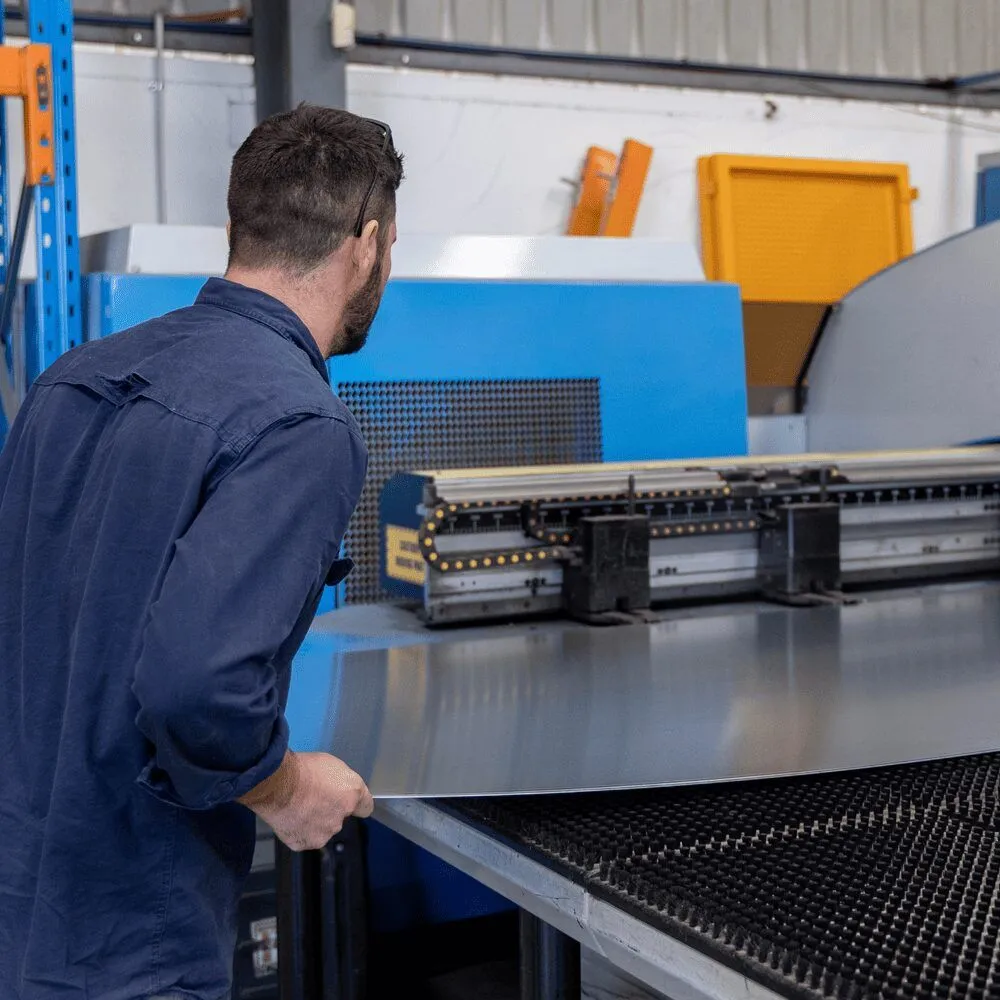
Outdoor use adds another layer of pressure because the fabricated part still has to look right after transport, handling, and installation. Privacy screens, storage unit panels, external covers, utility enclosures, and access panels are all examples of jobs where sheet quality can influence both installation ease and final appearance.
Final Thoughts
The jobs that require only high-quality aluminium flat sheets tend to have a few things in common. They rely on finish, accuracy, repeatability, or all three. Shopfitting, signage, architectural features, transport fabrication, equipment enclosures, and selected external applications all sit in that group because the sheet does more than fill a space. It affects how the job is made and how the finished work is judged.