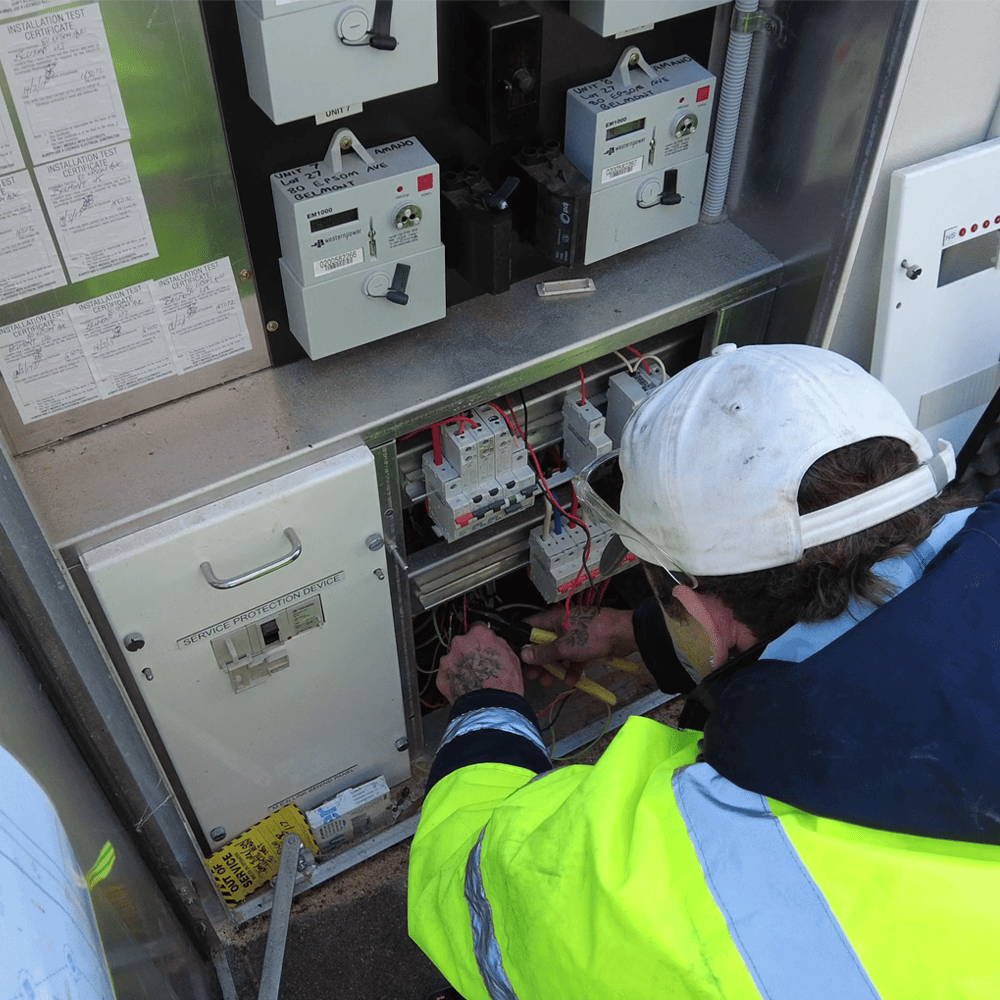


Trying to save money on commercial electrical work can look sensible at first, especially when the job seems small. A light fitting replacement, an extra outlet, a quick fix to stop a circuit tripping, or a rushed connection during a fitout can all feel manageable. In practice, commercial electrical systems are rarely that simple. One incorrect decision can affect operations, staff safety, equipment reliability, and future maintenance costs.
This is why many businesses compare qualified providers carefully, including electrical contractors in Perth, rather than treating electrical work like a handyman task. The risk is not only whether the job works today. The risk is what happens next week, next month, or during your busiest trading period when that quick fix fails under load.
Why Commercial Electrical Work Is Not a DIY Category
Commercial electrical systems are built for different operating conditions from residential setups. They often support longer run times, heavier loads, more switching demand, and multiple interconnected services. That changes the margin for error.
A business site may have lighting, HVAC, refrigeration, alarms, data systems, security, point-of-sale devices, machinery, pumps, and specialised equipment all operating across shared distribution. A mistake in one area can create problems somewhere else, even if the original job looked minor.
Common differences in commercial environments include:
- Higher load demand and more frequent peak load periods
- More people on site, including staff, customers, and contractors
- Equipment that is sensitive to voltage issues or interruptions
- Tighter shutdown windows for repairs and upgrades
- Compliance and recordkeeping obligations
- Greater financial impact when systems go offline
That is why DIY in a commercial setting is not just a technical gamble. It is an operational gamble.
The Biggest DIY Mistake, Judging Cost by Labour Alone
The most common reason businesses consider DIY electrical work is simple, they want to avoid a service invoice. The problem is that labour is usually the smallest part of a commercial electrical failure.
A job can appear cheaper only because the comparison is incomplete. It ignores downtime, spoiled stock, staff disruption, emergency callouts, and rework. It also ignores the time spent trying to figure out what was done when there is no proper documentation.
The usual cost blowout happens in stages:
- A shortcut is taken to save labour
- The system appears to work temporarily
- Usage increases or conditions change
- The fault appears during trading or production time
- Emergency diagnosis and repairs cost more than planned work
This pattern is common because many electrical issues do not fail instantly. They fail when heat, load, vibration, moisture, or time expose the weakness.
Safety Risks Do Not Stay in the Safety Box
Safety is the most obvious reason to avoid DIY commercial electrical jobs, but the business impact often goes further than people expect. An electrical incident is not only a safety event. It can also become a staffing issue, a customer service issue, and a financial issue on the same day.
Even without a major incident, poor electrical work can create near misses, nuisance tripping, exposed hazards, overheating points, or unreliable isolation. Those problems disrupt operations and increase stress across the site.
Business impacts that commonly follow electrical safety failures include:
- Temporary shutdown of affected areas
- Delays to service delivery or production
- Damage to equipment or appliances
- Lost revenue during outages
- Staff downtime while waiting for repairs
- Urgent after-hours callout costs
- Internal reporting and follow-up work
In other words, unsafe electrical work tends to create expensive operational mess, not just a repair bill.
DIY Jobs Often Miss System Interactions
One of the reasons DIY commercial electrical work goes wrong is that people focus on the visible task and miss the system around it. In commercial sites, the visible task is often only one part of the job.
For example, adding a new outlet is not only about physically wiring an outlet. It may affect circuit loading, protection selection, cable routes, labelling, isolation, and future maintenance access. A small change can also alter how a circuit behaves during peak demand.
This is where DIY decisions become risky because the installer may not assess:
- Existing load on the circuit
- Startup demand from connected equipment
- Suitability of protection devices
- Environmental conditions around the installation
- Access for safe isolation and future servicing
- Whether the site is likely to expand further soon
When those checks are skipped, the job may still “work”, but only until the system is placed under normal commercial pressure.
Fitouts, Refurbs, and Expansions Are High-Risk DIY Territory
Businesses are especially likely to attempt shortcuts during fitouts or refurbishments because timelines are tight and multiple trades are moving at once. That pressure makes DIY electrical work more tempting, and more dangerous.
A fitout is where electrical mistakes multiply. New lighting, added appliances, relocated workstations, signage, and equipment upgrades can all change the demand profile of the site. If those changes are handled piecemeal, faults can appear later during commissioning or peak use.
Compliance and Liability Can Become a Bigger Problem Than the Fault
A lot of businesses think the main issue is whether the lights turn on. In commercial settings, that is only part of the picture. If something goes wrong later, questions about compliance and liability can quickly become more serious than the original defect.
Commercial electrical work usually needs correct installation practices, testing, and proper documentation. Without that, you can end up with uncertainty around what was done, what was changed, and whether the system is safe to keep operating.
Final Thoughts
DIY commercial electrical jobs are risky because the downside is much bigger than the visible task. What starts as a simple cost-saving decision can lead to safety hazards, downtime, damaged equipment, compliance headaches, and expensive rectification work.