
Choosing between seed and turf is rarely about which looks better on day one. It usually comes down to timeline, effort, and how much risk you can tolerate if conditions do not cooperate. Seeding can deliver a strong lawn, but it asks for patience and consistency. Turf costs more upfront, yet it buys you speed and early coverage.
If you are weighing both options, it helps to treat seeding like a small project, not a quick weekend sprinkle. That mindset is a big part of good Australian lawn care, especially when weather swings, hot days, and dry winds can punish a young lawn.
The Real Decision: Time, Budget, and Risk
Seeding is best when you can give the lawn a proper establishment window. That means time for germination, time for roots to push deeper, and time to protect the area from traffic while it toughens up. Turf shortens that vulnerable period, but it does not remove the need for good soil and watering, it just shifts the work.
Before you choose, pressure-test your situation with a few practical questions:
- How quickly do you need a usable lawn area?
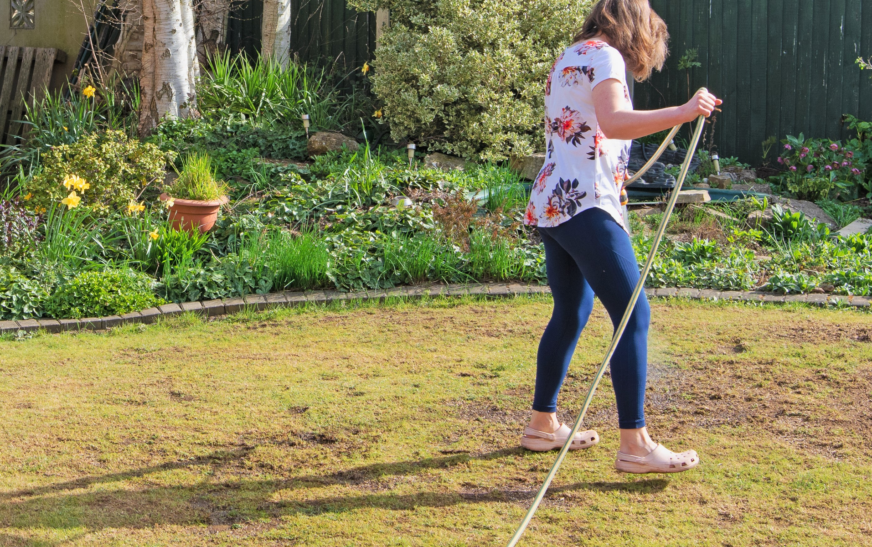
- Can you water lightly and regularly during germination, then keep up consistent watering as it grows in?
- Is the area going to be walked on daily (kids, pets, a shortcut path)?
- Are you happy to do prep work properly, including levelling and improving the top layer of soil?
- Is your goal full renovation, or just fixing thin and bare patches?
If “time” and “no traffic” are both on your side, seeding becomes a much stronger option.
When Seeding Is the Better Move
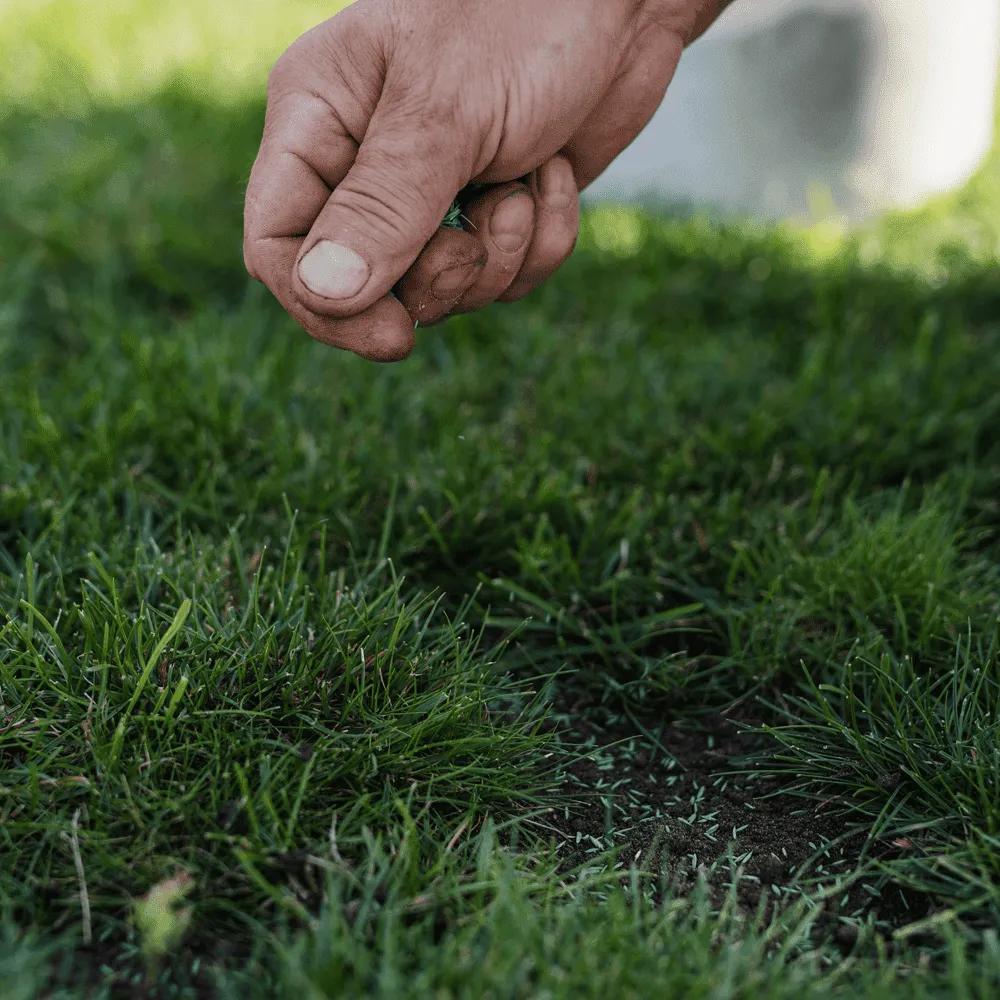
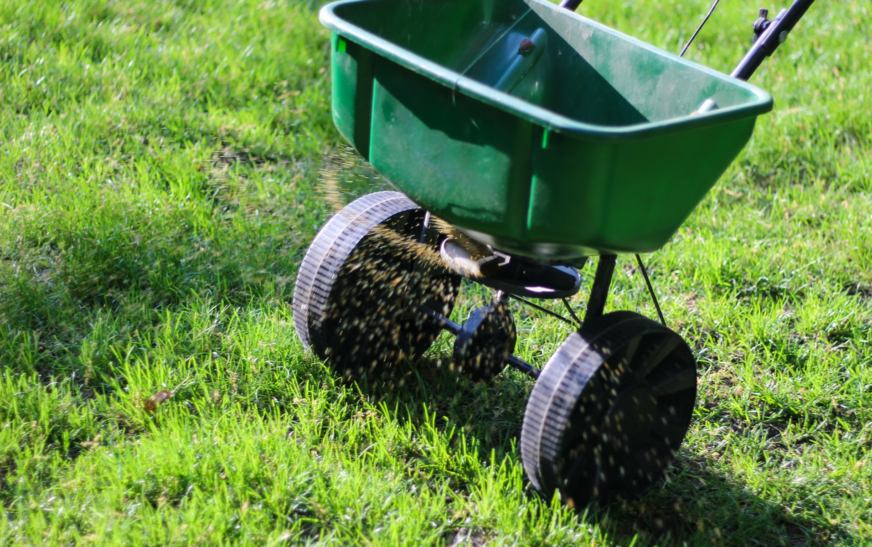
Seeding makes the most sense when you can trade speed for flexibility and cost control. It is also the most practical option for improving a lawn gradually, rather than ripping everything out in one hit.
Seeding is usually the better move when:
- You have a larger area and turf rolls would blow the budget.
- You are repairing patches, filling bare spots, or thickening an existing lawn.
- You want more control over the grass type and cultivar, rather than taking what is available in turf that week.
- You can keep traffic off the area for the early stages of establishment.
- You can water consistently, especially through germination and early growth.
- You are happy with results that improve over weeks, not hours.
That last point matters. Seed often looks promising early, then thins out later if watering drops off, soil is compacted, or the weather turns harsh. Seeding rewards steady habits, which is why it fits best when your schedule is predictable.
When Turf Is Still the Smarter Call
Even if you prefer the idea of seeding, turf is sometimes the more sensible option. It gives instant coverage, reduces the time the soil is exposed, and can help you get ahead of weeds early.
Turf tends to win when:
- You need fast coverage for a front lawn, a rental, or an event deadline.
- The area will be used daily and you cannot realistically keep people and pets off it.
- You struggle to keep up frequent watering during the first few weeks.
- You are dealing with steep slopes where seed can wash, blow, or drift into uneven patches.
This is not “turf good, seed bad”. It is about choosing the approach that matches your constraints, which is the heart of practical Australian lawn care.
Understanding Seeding Windows Across Australia
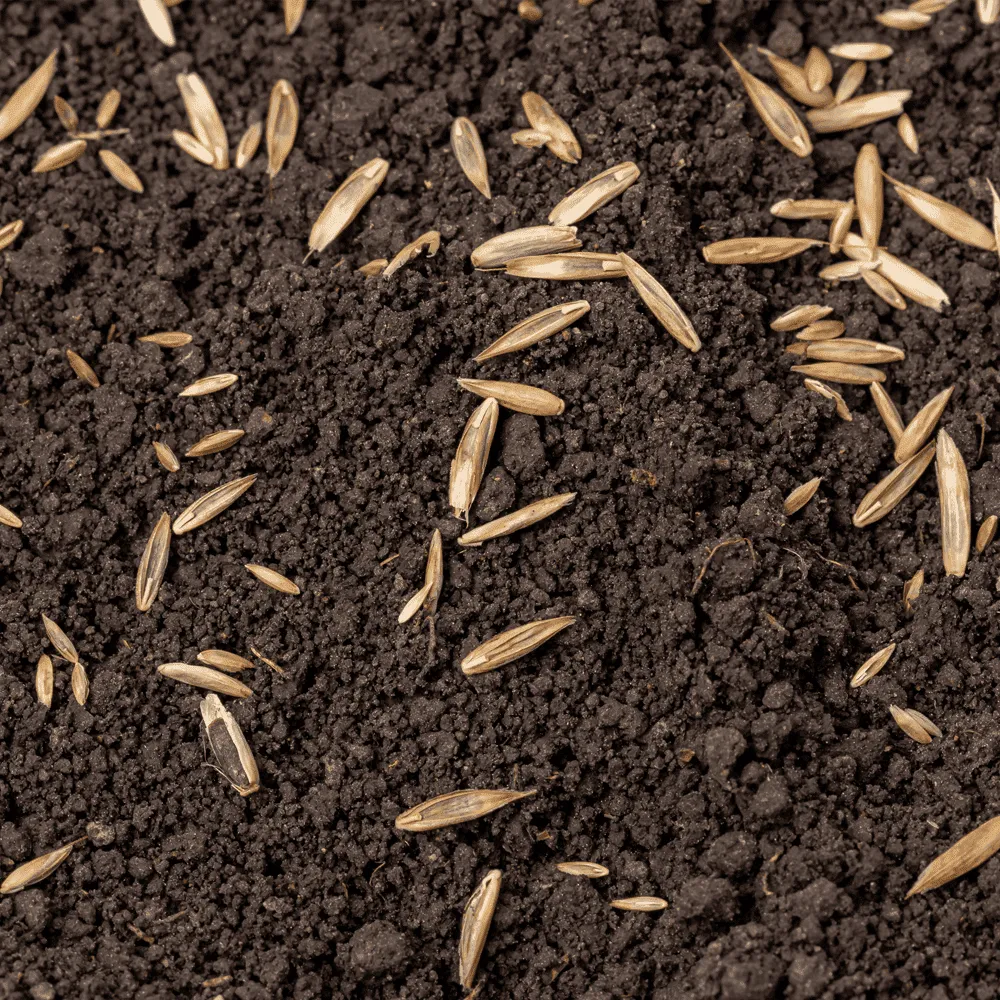
Australia is not one climate. Coastal blocks can behave differently from inland suburbs, and microclimates around your home can shift soil warmth and moisture more than you expect. The simplest way to plan seeding is to think in terms of cool-season versus warm-season grasses, then aim for months where the soil is warm enough for germination and the weather is mild enough for seedlings to survive.
As a general rule:
- Cool-season grasses often establish best in autumn, with spring as another workable window if you can stay ahead of rising heat.
- Warm-season grasses, where seed is available, generally do better from late spring into early summer once nights are reliably warm.
The “best time” is not a date on a calendar. It is a stretch of weeks where the seed can sprout, stay evenly moist, and grow without being smashed by heatwaves, drying winds, or cold snaps. If your local forecast is swinging hard, delaying by a week can be a smarter move than forcing it.
Choosing Seed That Matches Your Yard
A common mistake is choosing seed based on a label like “hard wearing” without matching it to your conditions. Your lawn will always behave like your site, not like the photo on the bag.
Start with what you can control and what you cannot:
- Sun exposure: full sun, part shade, or heavy shade
- Wear: pets, kids, backyard sport, high-traffic paths
- Water availability: reticulation, hand watering, likely restrictions
- Soil type: sandy, loamy, clay, compacted fill
- Maintenance tolerance: mowing, feeding, dethatching, soil improvement
The goal is not perfection, it is a good match. A grass that fits your sun and water reality will outperform a “premium” option that is fighting the block every week.
Key Takeaways
Seeding makes sense when you have an establishment window, can water consistently, and can protect the area from traffic while it toughens up. It is especially effective for patch repair and thickening, and it can be the most budget-friendly way to cover larger areas.
Turf is often the smarter call when you need immediate coverage, cannot keep people off the lawn, or cannot commit to the early watering phase. Either way, soil prep and good habits decide the outcome far more than the product you buy.