
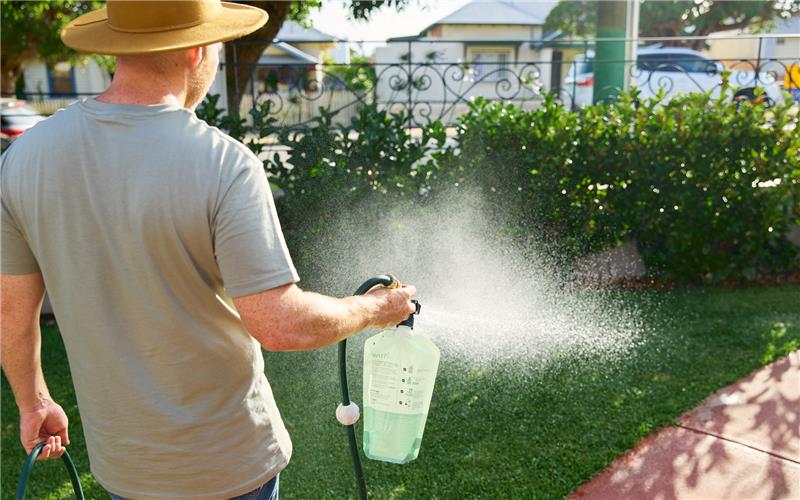
The phrase “low maintenance lawn care” gets thrown around a lot, but it means different things depending on who’s saying it. For a homeowner in Oregon or Manchester, it might mean less mowing. In Australia, the reality is shaped by heat, water restrictions, variable soil types, and grass varieties that behave nothing like a cool-season European turf.
Low maintenance here doesn’t mean set-and-forget. It means getting the fundamentals right so the lawn mostly looks after itself between seasonal check-ins.
Most turf operators reckon the same thing: the lawns that need the least ongoing work are the ones where someone made good decisions upfront. Right grass variety, decent soil prep, and a simple seasonal routine.
Low maintenance lawn care, in practical terms, means reducing the frequency and intensity of inputs (mowing, watering, feeding, pest control) while still keeping the turf healthy and presentable. It’s a system, not a shortcut.
Why “Low Maintenance” Doesn’t Mean the Same Thing Across Australia
What counts as low maintenance in Melbourne won’t match what works in Townsville or Perth. Australia’s climate zones are so varied that a lawn routine which barely registers as effort in one region can become a proper headache in another.
- In temperate climates (Melbourne, Canberra, Hobart), cool-season rainfall does a lot of the watering work. The main time sink is managing winter weeds and seasonal feeding.
- In subtropical zones (Brisbane, Gold Coast), warm-season grasses grow aggressively through summer. Mowing frequency is the big time cost, not watering.
- In Mediterranean climates (Perth, Adelaide), summer irrigation is the dominant chore. Water restrictions can dictate the entire lawn care approach.
- In tropical regions (Darwin, Cairns), wet-season growth is explosive. Mowing can be a twice-weekly job from November through March if the lawn isn’t managed well.
The common line in the trade is that low maintenance is relative to the local baseline. A fortnightly mow in Brisbane is genuinely low effort. The same schedule in Perth during summer, paired with smart irrigation, is about as lean as it gets.
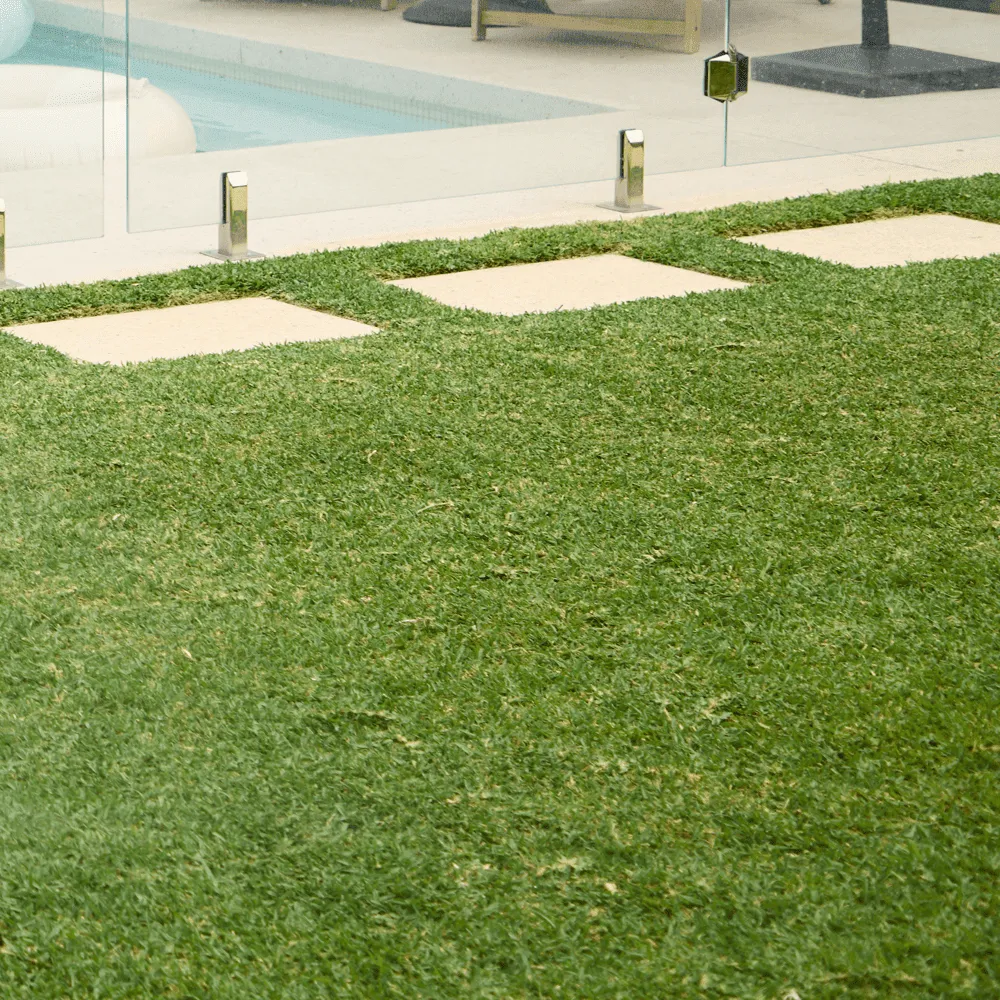
Picking the Right Grass Variety Is Half the Battle
The single biggest factor in how much work a lawn demands is the grass variety that’s in the ground. Get this wrong and no amount of clever scheduling will make it easy.
- Buffalo (especially Sir Walter DNA Certified) is the go-to for low maintenance in most of eastern Australia. It handles shade, recovers well from wear, and doesn’t need mowing as often as couch or kikuyu.
- Zoysia is slower growing and drought-tolerant, which means less mowing and less water. The trade-off is that it’s slower to establish and repair.
- Kikuyu is tough as nails and cheap, but it grows fast and spreads into garden beds. It’ll cop a hammering and bounce back, but it needs regular edging and mowing.
- Couch gives a premium finish but needs more frequent mowing (often weekly in summer) and a solid fertilising programme to look its best.
A lawn that cops a lot of foot traffic from kids or dogs needs something resilient like kikuyu or buffalo. A front yard that’s mostly for looks can get away with zoysia. The point is that the grass variety should match the lifestyle, not the other way around.
Where Homeowners Actually Lose Their Time
Most people assume mowing is the biggest time drain. It’s not. The real hours disappear into reactive problem-solving: patchy spots, weed outbreaks, pest damage, and brown-offs that need diagnosis and treatment.
- Weed management eats more cumulative time than any other task on a neglected lawn. A thick, well-fed turf suppresses weeds on its own. A thin one becomes a full-time weeding project.
- Overwatering and underwatering both create secondary problems. Overwatering promotes fungal disease. Underwatering stresses the grass and opens gaps for weeds. Either way, the homeowner ends up spending more time fixing the consequence than the original task would’ve taken.
- Skipping seasonal feeds is another false economy. A lawn that doesn’t get a proper autumn or spring feed will thin out over winter and need repair work the following season.
The operators who manage dozens of residential lawns will say the same thing. The clients who do two or three well-timed seasonal tasks have the best-looking lawns with the least call-outs. The ones who do nothing for six months and then panic always end up spending more time and money.
Frequently Asked Questions
What’s the Lowest Maintenance Grass for Australian Backyards?
Zoysia varieties are generally the lowest maintenance option due to their slow growth and drought tolerance. Buffalo (particularly Sir Walter) is a close second and handles shade better. The right choice depends on climate, soil, and how much foot traffic the lawn gets.
How Often Should a Low Maintenance Lawn Be Mowed?
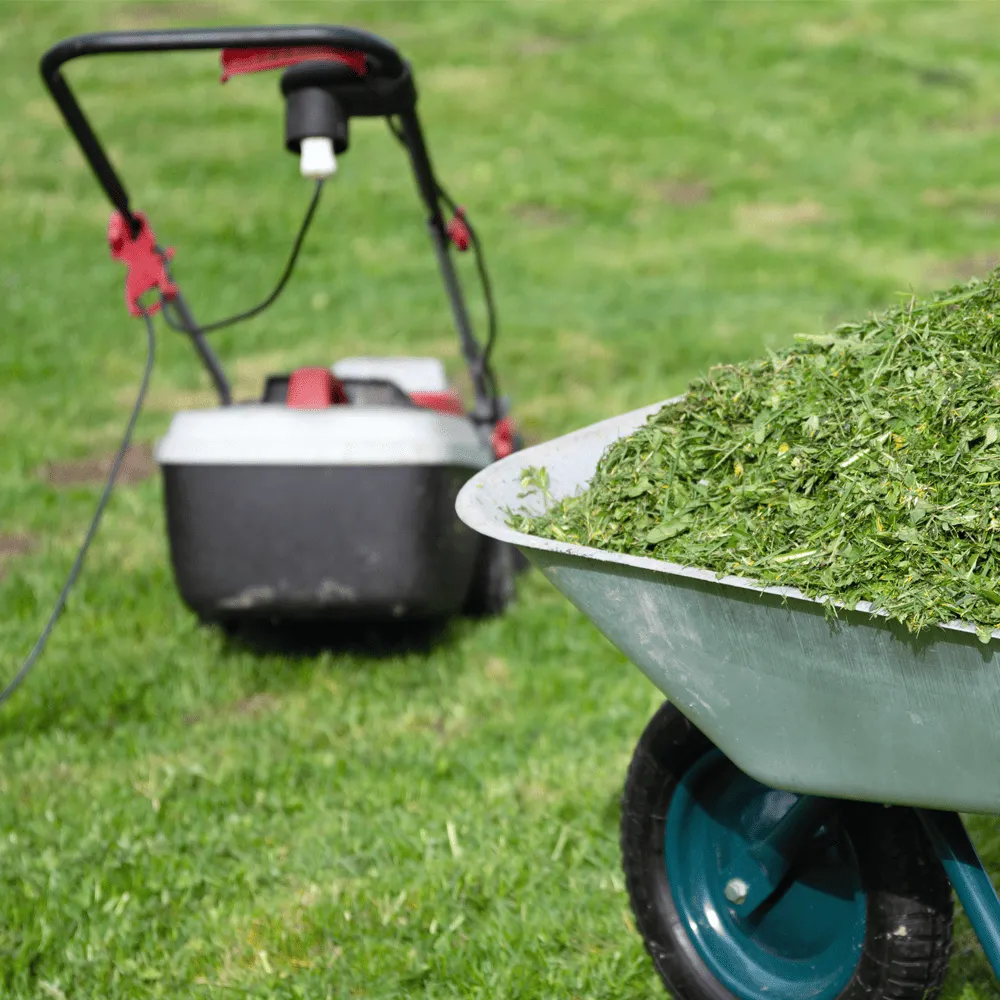
During the active growing season (spring and summer), most warm-season lawns need mowing every one to two weeks. In autumn, fortnightly to three-weekly is typical. Winter mowing can often stop entirely in southern regions where warm-season grasses go dormant.
Closing Thoughts
Low maintenance lawn care in Australia isn’t about doing less across the board. It’s about doing the right things at the right time so the lawn needs less intervention the rest of the year. The grass variety sets the ceiling, the soil sets the floor, and a simple seasonal routine fills in the gap.
The lawns that genuinely run on minimal effort didn’t get there by accident. Someone picked the right turf, built up the soil, and stuck with a basic programme long enough for it to compound. That’s the part that doesn’t make it onto the Instagram reels, but it’s where the results come from.