
Reactive maintenance, the practice of ignoring an asset until it completely stops working, looks cheap on a spreadsheet during the first quarter. This approach inevitably fails when aging components finally burn out.
Relying on emergency repairs drains sinking funds fast. The reality of strata electrical services in Perth shows preventative upkeep prevents massive financial shocks.
The Premium Price of Urgent Dispatch
Emergency breakdowns cost significantly more because tradesmen charge high out-of-hours dispatch rates for immediate, unscheduled site attendance. A technician pulled from home on a Sunday night bills a heavy premium just to turn the ignition key.
That means a simple tripped safety switch still costs the equivalent of half a day’s standard labour. Most operators reckon building committees underestimate these baseline charges.
- Fault diagnostics take twice as long when common areas lack lighting and the property’s completely dark.
- Sourcing replacement parts outside standard business hours requires paying steep retail markups at 24-hour supply warehouses.
- Urgent fixes rarely solve the root cause, usually requiring a quoted return visit the very next week for a permanent repair.
These jobs force contractors to work under extreme time pressure. The tradesman’s only goal is to patch the immediate fault and move to the next job. This band-aid approach leaves the underlying system vulnerability totally unresolved.
Managing Asset Lifespans and Cascading Faults
Replacing degraded switchgear before it reaches its mechanical expiry prevents small wiring issues from escalating into major property fires. Every electrical component has a finite lifespan defined by the manufacturer.
Pushing a communal exhaust fan motor past its limit ensures it’ll eventually seize. When that motor fails, it draws massive excess current and melts the associated control wiring.
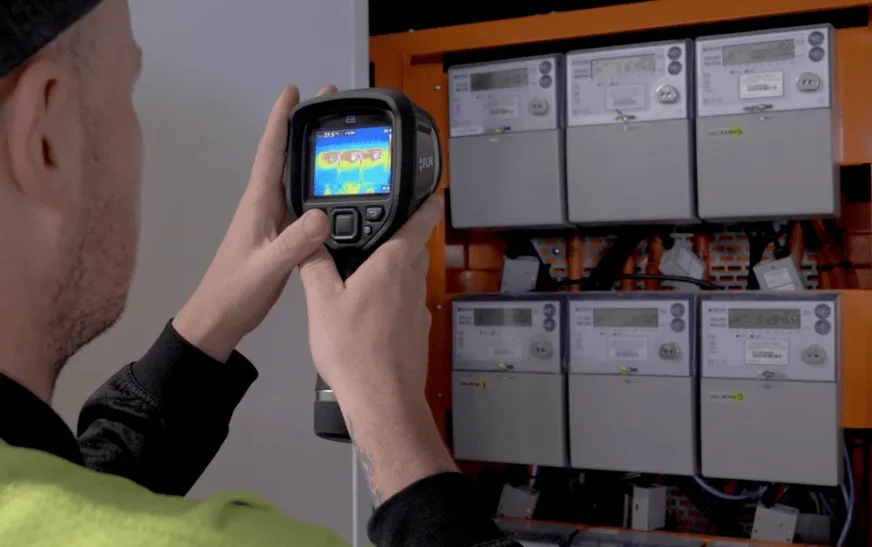
- Thermal scanning detects overheating terminal connections weeks before the plastic enclosures actually melt and catch fire.
- Regular tensioning of main switchboard connections stops the micro-arcing that degrades insulation over time.
- Testing residual current devices guarantees they’ll trip correctly during a severe weather event or power surge.
A minor loose wire in a basement circuit seems harmless. Left unchecked, that same wire eventually shorts out the entire distribution board.
Finding these faults early during routine strata electrical services in Perth stops a small repair bill from ballooning. Good tradesmen get a proper crack at finding the true fault during daylight hours.
Regulatory Compliance and Insurance Implications
Ignoring mandatory testing schedules exposes the owners’ corporation to severe local council fines that far exceed the price of routine checks. The law treats electrical safety testing as a strict non-negotiable requirement.
Missing a scheduled inspection for emergency exit lighting places heavy legal liability directly on the committee members. Assessors don’t show leniency when compliance dates slip past.
- Insurance assessors actively look for up-to-date maintenance logbooks following any major building incident or fire claim.
- Buildings with documented histories of regular upkeep often secure much better premium rates come renewal time.
- Assessors view equipment failure caused by skipped servicing as negligence, frequently resulting in rejected damage claims.
Consistent oversight proves the building takes its safety duties seriously. Insurers hate surprises. A thick logbook of routine testing directly offsets the rising cost of coverage over a five-year period. Scheduled contracts lock in a predictable budget and keep the property entirely compliant.
Frequently Asked Questions
What Drives Up the Cost of Urgent Electrical Callouts?
Contractors apply heavy premium rates for dispatch outside normal operating hours. Sourcing parts at night also incurs steep retail warehouse markups. Tradesmen often charge minimum engagement periods for these sudden attendances.
How Does Preventative Servicing Affect Strata Levies?
Routine maintenance creates a fixed, predictable expense that committees can accurately budget for annually. Relying on sudden repairs often depletes reserve funds unexpectedly. This lack of planning forces managers to issue massive special levies to cover the deficit.
Does Regular Maintenance Impact Insurance Premiums?
Insurers base their rates on assessed risk profiles and historical building management practices. Documented maintenance schedules prove the property isn’t a high-risk liability. This paperwork directly prevents claims from being rejected due to perceived negligence.
Key Takeaways
The financial data always favours early intervention. Waiting for communal infrastructure to break down guarantees a much higher repair bill. Scheduled inspections catch degrading parts before they destroy adjacent electrical systems. Routine servicing protects the long-term value of the building’s core assets.
It provides committees with a clear understanding of what needs replacing and when. Fixing a problem on a sunny Tuesday morning’ll always cost less than managing a crisis on a Saturday night.