

Keeping a building running is a constant juggling act. You are balancing resident expectations, budgets, compliance, and the occasional 11 pm phone call when something trips out. Preventative electrical maintenance is one of the few levers that actually reduces that load instead of adding to it.
Rather than waiting for circuits, lighting, or safety systems to fail, you plan inspections, tests, and servicing so issues are picked up early. The result is fewer unpleasant surprises, safer sites, and a workload that is far more predictable for strata managers, facilities teams, and building owners.
Let’s unpack what preventative electrical maintenance really means in practice, why it matters, and how to build a program that actually works in Australian strata and commercial buildings.
Why Preventative Electrical Maintenance Matters
Before you talk about checklists or schedules, it helps to be clear on why preventative maintenance is worth the effort.
Across strata and commercial sites, electrical systems are working hard all day, every day. Main switchboards, risers, metering, car park lighting, pumps, lifts, smoke control fans, and security systems all draw power constantly. When you combine age, heavy load, and heat, you get wear and tear that is easy to miss until something fails.
Preventative electrical maintenance is about reducing that failure risk. By planning regular visits and focusing on known weak points, you cut down on:
- Unplanned outages that affect multiple residents or tenants
- After hours call outs that chew through budgets
- Safety incidents related to faulty protection devices or failed emergency systems
Over time, that means real savings in money, time, and stress.
Defining Preventative Electrical Maintenance in Plain Language
It is easy to get lost in jargon, so it is worth putting a simple definition on the table.
Preventative electrical maintenance is a structured, recurring program of inspections, testing, cleaning, adjustments, and minor repairs aimed at finding electrical problems before they cause a failure. The focus is on planning and prevention, not just turning up when something is already broken.
A good preventative program usually includes:
- A clear list of assets to be checked, such as switchboards, RCDs, emergency lighting, smoke alarms, and common area lighting
- Agreed frequencies for inspections and tests
- Documented results and recommendations, not just verbal feedback
- Follow up quotes or budget ranges for any remedial works
When people talk about preventative electrical maintenance, they are talking about this whole cycle, not just a quick look at a switchboard door.
Key Building Blocks of a Strong Maintenance Program
Every building is different, but most effective programs share a few core elements.
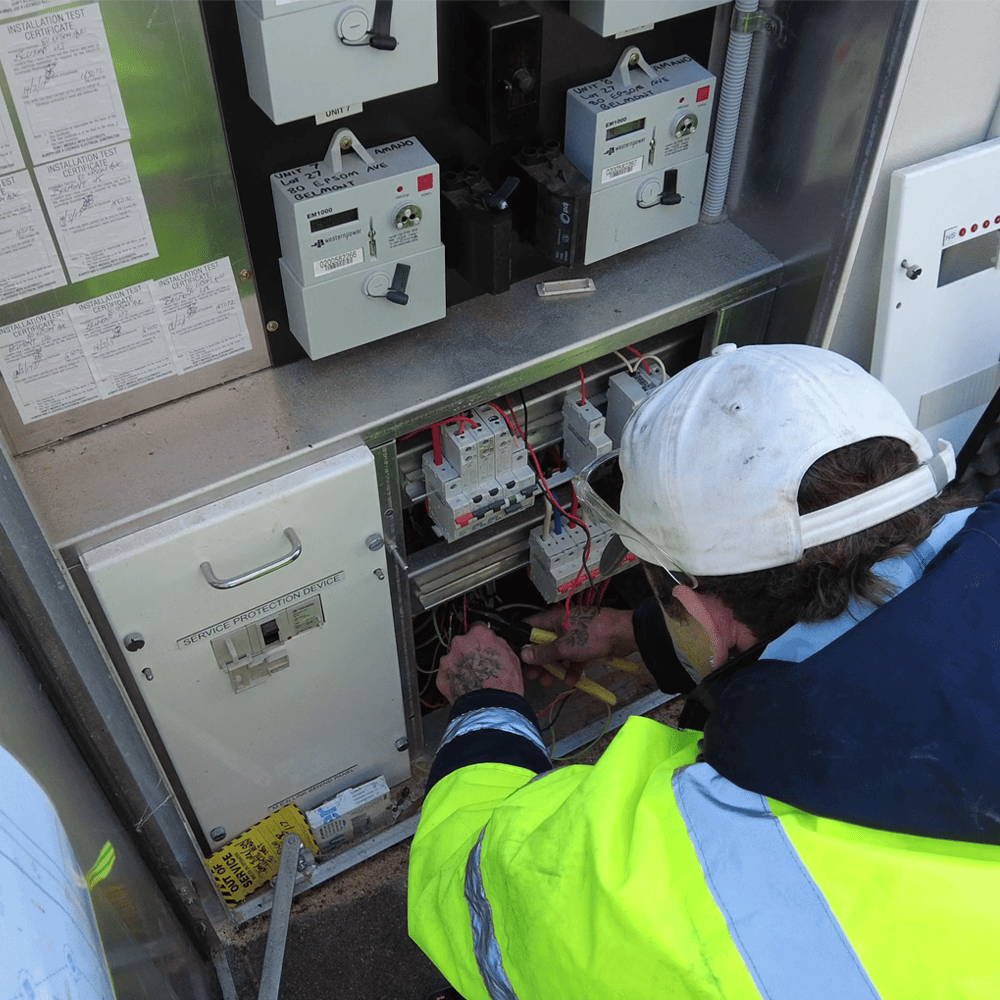
Switchboard And Distribution Checks
Switchboards are the heart of your electrical system. If they are in poor condition, everything downstream is at risk.
Regular preventative electrical maintenance will normally include:
- Visual checks for damage, contamination, and incorrect labelling
- Tightening of terminations where needed
- Assessment of clearances and access
- Spot temperature checks or thermal imaging on key connections and breakers
Catching a loose or overheating connection at this stage is far cheaper than replacing burnt gear or dealing with a building wide outage later.
RCD Testing and Protection Verification
Residual Current Devices protect people from electric shock. Over time, dust, age, and mechanical wear can affect how quickly and reliably they operate.
As part of preventative electrical maintenance, your electrician will:
- Test trip times and confirm correct operation
- Identify any nuisance tripping or sluggish devices
- Update the RCD register with test dates and results
This keeps you aligned with relevant Australian Standards and gives you evidence when insurers or regulators ask what has been done to manage electrical risk.
Emergency Lighting and Smoke Alarm Checks
Emergency and exit lighting, as well as smoke alarms, are life safety systems. They have to work when power fails or when a fire starts.
Preventative maintenance here typically covers:
- Function tests to confirm lights operate correctly under simulated failure
- Battery duration checks
- Location and coverage checks for smoke alarms
- Replacement of failed fittings and batteries
When this work is rolled into preventative electrical maintenance visits, you get both compliance evidence and peace of mind.
Common Area Lighting and Controls
Residents and tenants notice lighting issues quickly. Dark stairwells, flickering car park lights, or faulty motion sensors generate complaints and can create genuine safety concerns.
A good maintenance program will:
- Replace failed lamps and drivers
- Clean lenses and fittings to restore light levels
- Check sensor settings and timer schedules
- Recommend LED upgrades where they make economic sense
This turns lighting from a constant headache into a quietly reliable part of the building.
What Preventative Electrical Maintenance Looks Like on Site
It is one thing to describe the components. It is another to understand the flow of work when technicians are actually on site.
In practice, preventative electrical maintenance usually follows a simple pattern:
- Pre visit planning
- Confirm access requirements and shutdown windows
- Review previous reports and open items
- On site inspections and testing
- Walkthrough of switch rooms, risers, and common spaces
- Execution of RCD tests, emergency lighting runs, and visual checks
- Thermal checks where required
- Documentation during the visit
- Recording of test results
- Notes on condition, defects, and improvement opportunities
- Follow up reporting and quotes
- Formal maintenance report
- List of recommended remedial works with cost ranges or quotes
Done well, this turns preventative electrical maintenance into a repeatable routine that everyone understands rather than a vague line item on a budget.
Turning Maintenance into a Strategic Advantage
Preventative electrical maintenance is more than a technical checklist. It is a management tool. Most importantly, preventative electrical maintenance gives strata managers, facilities teams, and owners time back. Instead of constantly responding to the latest fault, you can plan improvements with confidence, knowing the core electrical systems are being looked after in a consistent, professional way.