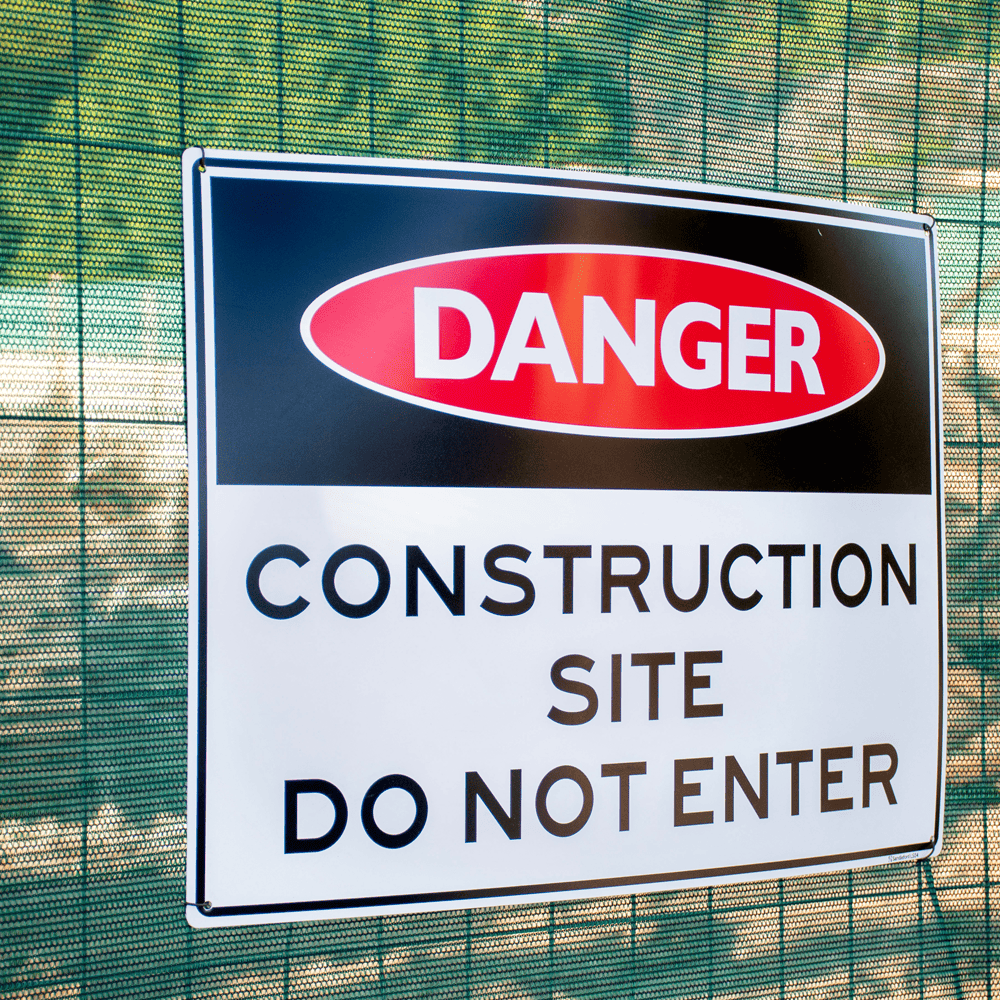

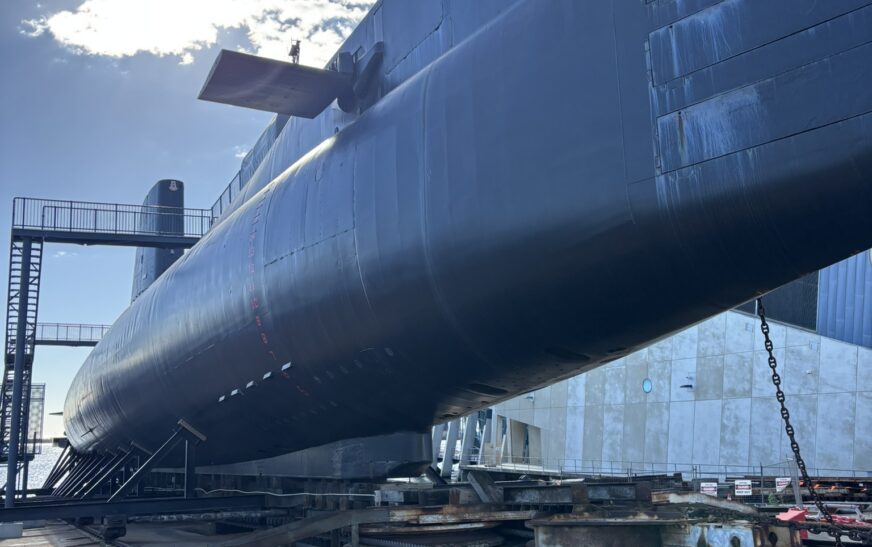
Working somewhere that wasn’t built for trades means fighting the site for access, clearance and time before the technical work even starts.
Most trade training assumes the building actually wants tradies in it. Cable trays sit in the ceiling, and switchboards get their own room. There’s also enough clearance to swing a ladder.
That assumption falls apart fast once the job moves into a submarine hull or an active mine shaft. The same goes for a secure government site, or a shipping container used as a site office on a defence installation.
A mechanical electrical installation inside one of these sites runs on a different set of rules from a standard commercial fit-out. There’s no guarantee a wall cavity was ever meant to take a cable run. In plenty of cases, the site was never designed to carry live services at all. Crews end up working around fixed machinery, blast doors, narrow companionways and gear older than most of the trades on site.
What Counts as a Non-Standard Trade Environment
A non-standard trade environment is any site that wasn’t built to house tradespeople, where the usual assumptions about access and services don’t hold. It’s a useful shorthand for any job that stops looking like a typical build. It covers anywhere the original design brief had nothing to do with maintenance access or civilian safety margins.
The list is longer than most people expect. It’s not just mine sites and military bases.
- Decommissioned vessels and museum ships
- Active mine sites and mineral processing plants
- Defence bases and other secure government sites
- Offshore platforms and working marine vessels
- Correctional facilities
- Data centres and telecommunications exchanges
Most of these sites were engineered to solve a completely different problem. Wiring access, plumbing runs and future maintenance sat somewhere near the bottom of that list, if they made the list at all.
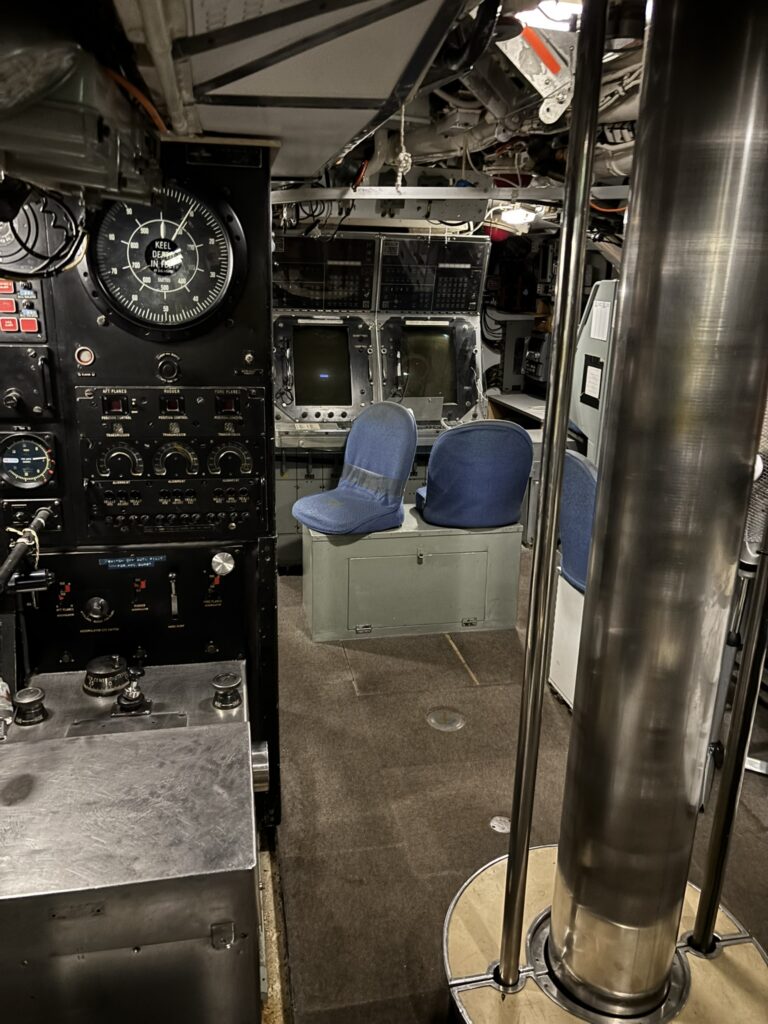
Access and Movement Problems in Spaces Not Built for Crews
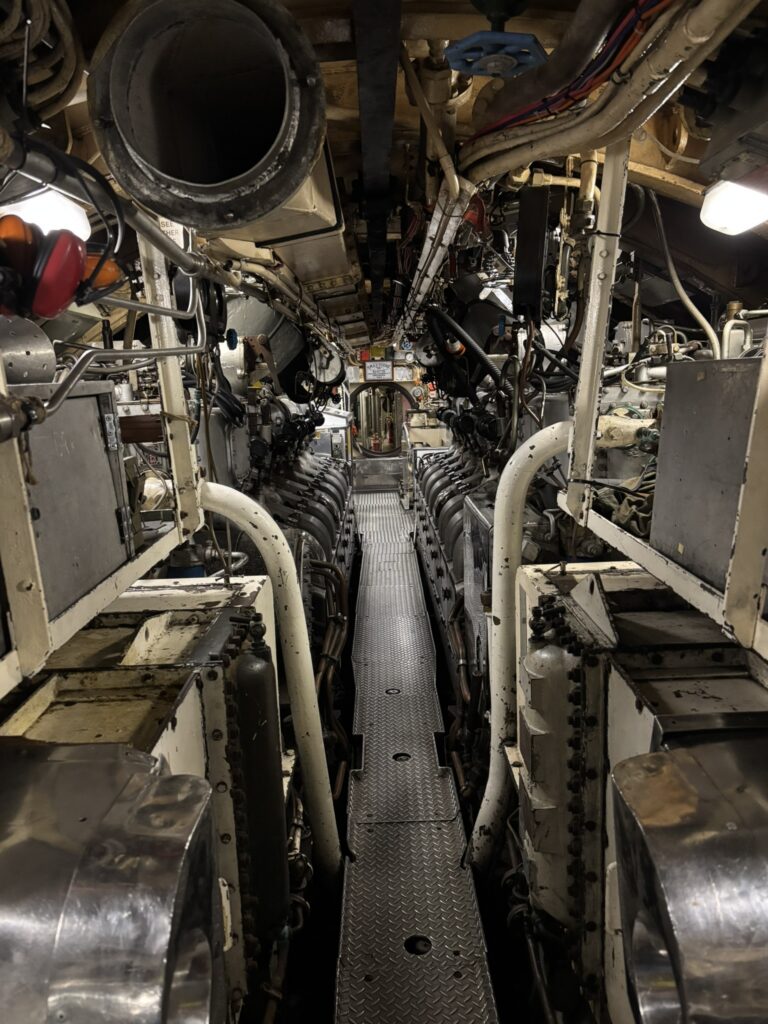
Getting a body, a tool bag and a cable reel into these spaces is often the hardest part of the job. That’s true well before any electrical or mechanical work even starts. Sites like these were never planned around the idea that someone would need to carry gear through them regularly.
Moving materials alone can eat a big chunk of the day, well before any trade work starts. A few problems come up again and again:
- Hatches and doorways sized for a single person, with no room to pass gear through
- No service risers or cable ducts, meaning every run gets fished through existing gaps
- Ladderways rated for one person at a time, which slows down every material lift
- Fixed machinery or structural elements that can’t be moved, forcing runs around rather than through
- Low headroom that rules out standard scaffold or platform ladders
A floor plan won’t show any of this. It becomes obvious once someone’s standing in the space with a drum of cable and nowhere clear to run it.
Getting Cleared to Even Start the Job
Getting onto these sites is often a bigger hurdle than the physical work itself. It can take weeks before a single tool touches the site. Defence and government sites in particular run on a different clock to a normal commercial job.
The clearance requirements stack up fast, and most of it has to be sorted before a quote even gets locked in:
- National Police Checks for every worker attending site
- Defence Industry Security Program (DISP) membership for the contracting business, where the work touches Defence assets or information
- Site-specific inductions that cover hazards unique to that facility, separate from a standard white card
- Heritage or asset custodian sign-off, where the structure itself is protected
- Escort or supervision requirements in restricted zones, which can limit how many trades work at once
Most operators would say there’s no point pricing the job before the paperwork’s sorted. Getting the timing wrong on quotes is one of the more common mistakes on these jobs.
Confined Spaces and the Problem of Trapped Air
Confined space work on non-standard sites carries a legal obligation that doesn’t apply to a typical office fit-out. Most Australian states and territories run on the model Work Health and Safety Regulations, which make a confined space entry permit mandatory before entry. Victoria works under its own OHS laws instead, with its own separate confined space provisions.
Tanks, silos and machinery spaces typically fall under Australian Standard AS 2865, which sets out the risk controls for confined space entry. A decommissioned vessel turned into a museum exhibit usually sits under the same civilian rules. An active naval vessel is more likely to follow Defence’s own safety framework instead. A few of the standing requirements include:
- A documented risk assessment before every entry, not just the first one
- Atmospheric testing for oxygen levels and airborne contaminants prior to entry
- A standby person posted outside the space for the duration of the job
- A signed entry permit kept on site for the record
- An emergency and rescue plan specific to that space, not a generic one
Heat and noise get worse inside a confined space too. A hazard that’s manageable in open air can turn into something else entirely once it’s trapped in a steel compartment.
Working Around Assets That Can’t Be Touched
Working on a heritage-listed or operational asset means every fixing point needs approval before it’s touched, not after. That’s a different mindset from a normal renovation, where a hole in the wall gets patched and forgotten.
Fixing into original steelwork, timber or masonry on a protected asset can affect its heritage value permanently. Most jobs like this build in a formal sign-off step for every cable route and mounting point. Each one gets checked against the site’s heritage or operational requirements before anyone drills.
That approval loop adds time most commercial jobs don’t need to budget for. It’s not unusual for a site visit and sign-off to take longer than the actual install once the location’s confirmed.
Coordinating Trades When There’s Barely Room for One
Trade stacking becomes a genuine risk when the workspace only fits one person at a time. On a normal site, three trades can work a room without getting in each other’s way. On these sites, that’s rarely an option.
Sequencing becomes as important as the wiring itself. Space constraints often force one trade to finish and clear a section before the next can begin, rather than working side by side. Thick steel structures can also interfere with radio reception, which means some crews rely on runners or checkpoints to keep communication moving between compartments. Programs on these jobs tend to get built compartment by compartment, not floor by floor.
Frequently Asked Questions
Do Tradies Need a Security Clearance to Work on Defence Sites?
It depends on the site and the sensitivity of the work involved. Some defence sites only require a National Police Check and a site induction. Others require the contracting business to hold Defence Industry Security Program membership. Individual clearances can also be required for workers accessing restricted areas or handling sensitive information.
How Often Does Air Need to Be Tested in a Confined Space?
Atmospheric testing is required before entry every time, not just on the first occasion. Ongoing monitoring is also required for the duration of the work if conditions could change. This applies under AS 2865 and the confined spaces provisions of the model Work Health and Safety Regulations in most states and territories. Victoria has its own separate OHS laws covering confined space entry.
Can Heritage-Listed Vessels or Buildings Still Get New Electrical or Mechanical Services Installed?
Yes, but every fixing point and cable route usually needs sign-off from the asset’s custodian before work starts. The goal is keeping new services functional without disturbing the original fabric. It adds an approval step that a standard commercial job doesn’t need.
Final Thoughts
Working in environments not meant for tradies comes down to the site fighting the crew on access, clearance and sequencing before the technical work starts. The tools and the wiring are rarely the hard part.
The trades that handle these jobs well tend to plan for the site’s limitations from day one, instead of finding out about them once the job’s already underway.