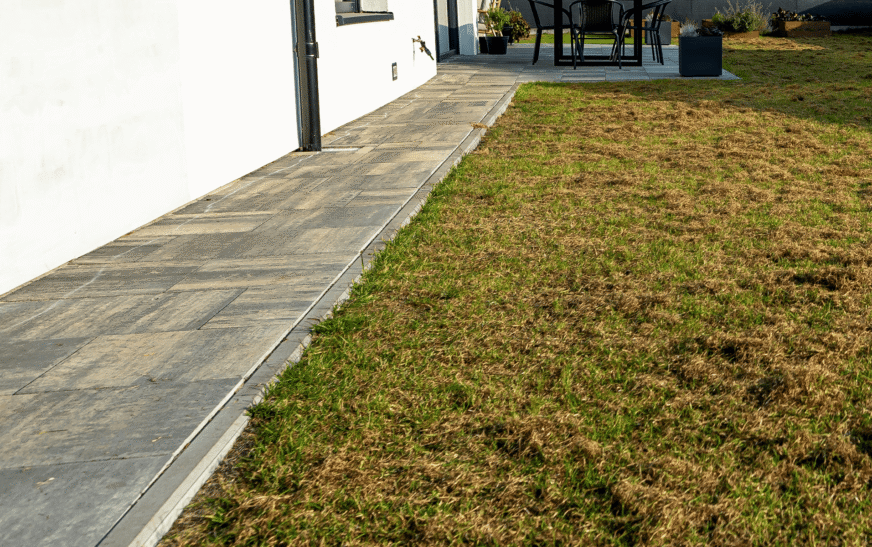

Lawns often look completely destroyed when September rolls around in Australia. Many property managers start compiling a spring lawn checklist only to find brown patches everywhere across the yard. This happens because warm-season grasses naturally undergo winter dormancy. Winter dormancy is the natural biological state where turfgrass slows its metabolic processes and turns brown to survive dropping temperatures.
How Frost Damages Plant Cells
Frost physically damages grass blades by freezing the moisture directly on the leaf, resulting in bleached white tips across the turf canopy. Cold nights hit the grass hard when temperatures drop rapidly. The ice crystals pierce the cell walls. Once the morning sun melts the frost, the damaged plant cells leak their internal contents.
- Bleached white tips appear on the grass blades immediately after a cold snap.
- A sudden colour drop turns the yard from green to a bleached straw brown overnight.
- The grass looks visually terrible but the root system remains intact underground.
- Discolouration happens uniformly across large sections of the open yard.
Most operators reckon a heavy frost makes the lawn look entirely ruined. The grass loses its ability to function normally until soil temperatures rise again. The visual markers of severe frost burn show up quickly on warm-season varieties like couch and kikuyu. The main stems often remain pliable near the soil surface despite the dead leaves.
Trade specialists track these visual anomalies closely. The damage remains strictly on the surface level. It rarely affects the deep root structure.
Soil Compaction Under Winter Rains
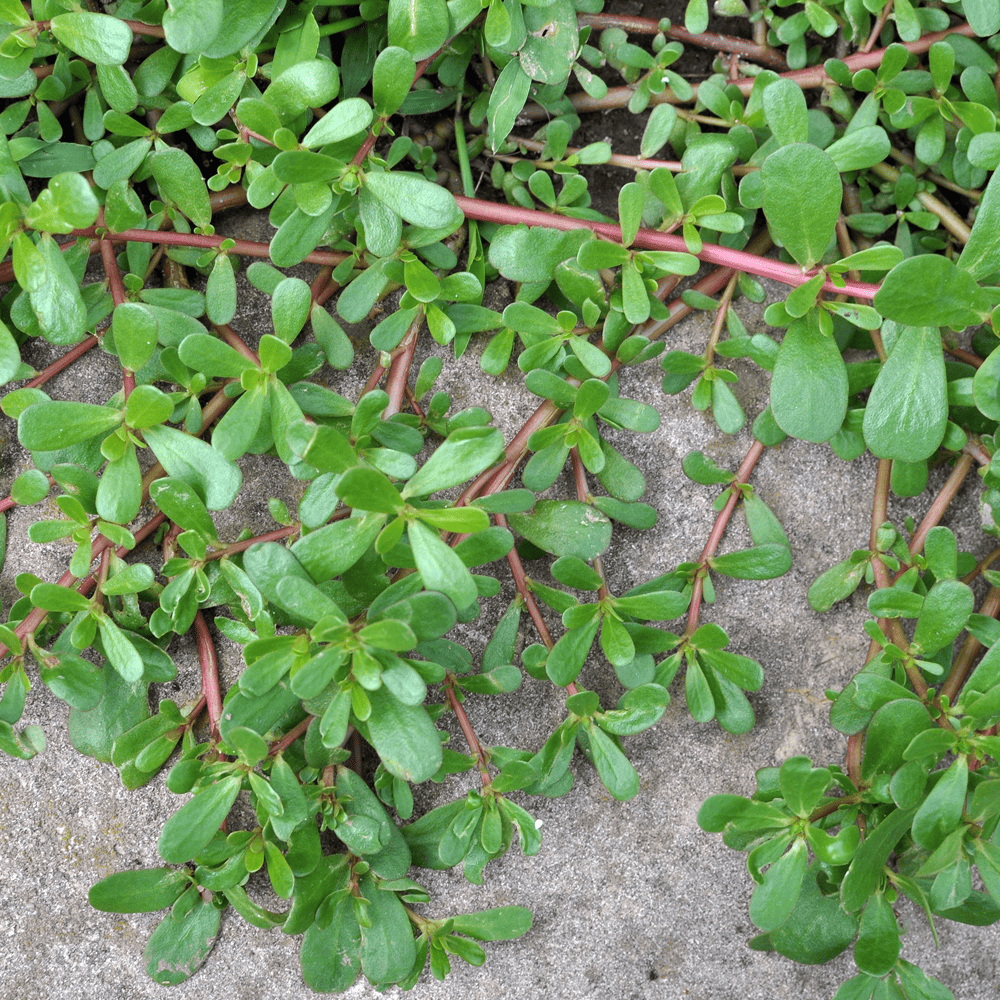
Heavy winter rainfall compresses soil particles tightly together, stripping oxygen from the root zone and suffocating the grass. Heavy traffic on wet ground accelerates this issue significantly. Bare patches failing to show new runners by late August heavily signal severe soil compaction. Waterlogged soils simply lack the pore space required for dormant roots to breathe.
- Surface water pools in high-traffic areas for more than two hours after rain stops.
- The ground feels incredibly hard underfoot despite being saturated with winter moisture.
- Roots grow horizontally across the topsoil because they can’t penetrate the hard barrier below.
- A distinct sulfuric smell emanates from the dirt indicating poor anaerobic conditions.
Turf experts measure compaction using a standard 150mm screwdriver. Pushing the tool straight into the soil profile tells the real story. If the metal shank bends or refuses to sink, the ground is severely compacted. Roots simply can’t push through this dense barrier.
Saturated soils breed root rot pathogens at an alarming rate during cold weather. It’s a highly common issue in newly developed residential estates with imported clay soils. Subsurface drainage pipes frequently crush under vehicle traffic or block up completely with fine silt. Broken sprinkler heads from the previous summer also create artificial bogs that mimic drainage failures perfectly.
A quick visual check of the discharge points confirms underground water movement failures. Hydrophobic soil crusts repel water completely when tested with a standard garden hose. The water just runs off into the local stormwater system.
Cold Weather Fungal Pathogens
Cold weather fungal pathogens attack dormant turf when poor drainage occurs, showing up as distinct visual markers on the leaf blades during cold mornings. The fungus remains highly active in cold, wet conditions. The grass itself is dormant and can’t fight off the infection. Ground assessments reveal these distinct shapes in the discolouration across the yard.
- Perfectly circular brown rings indicate spring dead spot in couch grass profiles.
- Irregular yellowing spreading along drainage lines points to severe nitrogen leaching.
- Distinct visual anomalies appear directly on the leaf blades during early frosty mornings.
- Spongy thatch layers harbour dangerous fungal diseases throughout the colder months.
Trade specialists track these visual anomalies over a few weeks to monitor any spread. A whole lawn turning straw-brown is completely normal for couch or kikuyu grass during July. Random yellow patches often point to something far more sinister hiding in the soil.
Taking macro photos of the affected leaf blades helps agronomists identify the exact fungal strain. The dead patches stand out starkly against the normal dormant brown turf. Poor drainage gives the fungus a proper crack at the vulnerable root systems. The disease spreads outward in a continuous pattern.
Frequently Asked Questions
Why Do Weeds Thrive While the Grass Looks Dead?
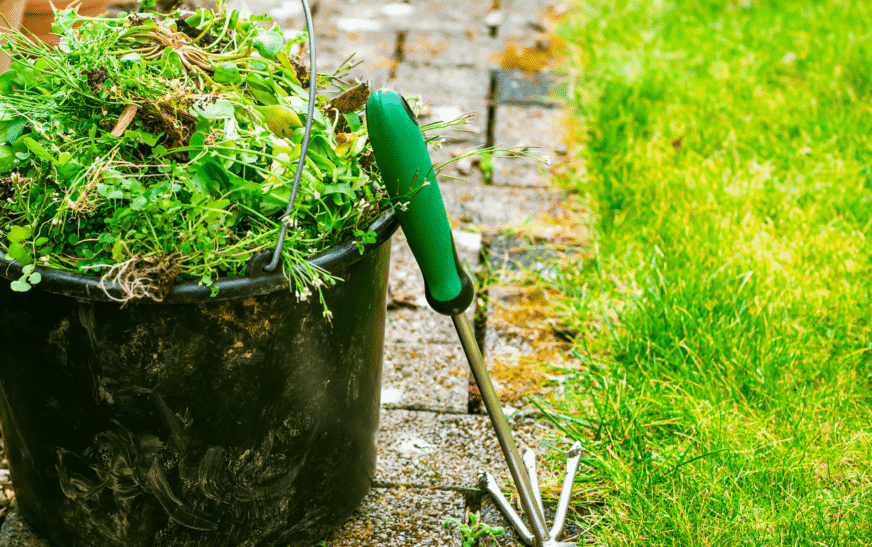
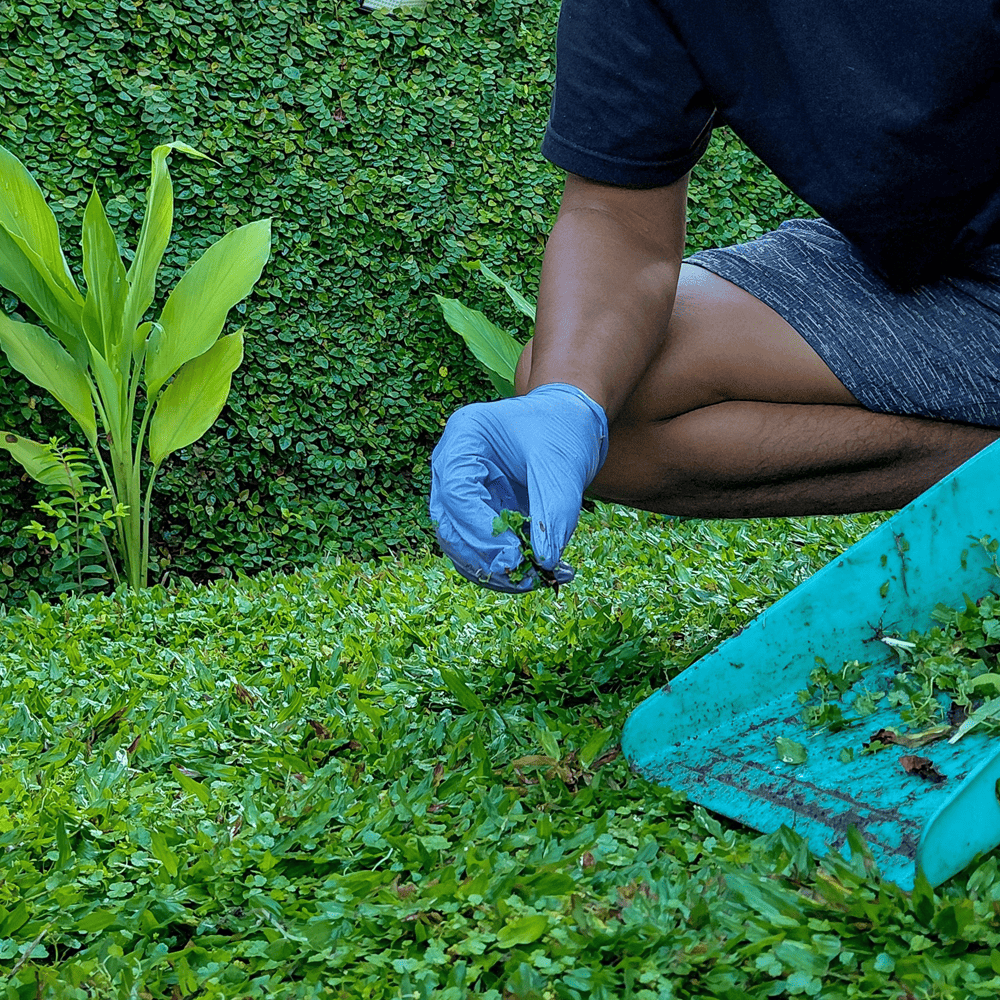
Winter broadleaf weeds are genetically adapted to germinate rapidly in low soil temperatures. The dormant lawn offers zero competition for physical space, sunlight, or water. Weeds are opportunistic pioneers that easily take advantage of this open canopy. They dominate the area until the primary grass wakes up.
How Is Severe Soil Compaction Tested?
Compaction testing requires pushing a standard 150mm screwdriver straight into the soil profile. The tool should slide into the dirt with moderate pressure. If the metal shank bends or refuses to sink, the ground is severely compacted.
Why Does Waterlog Damage Appear So Severe?
Turf roots drown rapidly without a constant supply of oxygen in the soil profile. Saturated soils breed root rot pathogens at an alarming rate during cold weather. A strong sulfuric smell confirms the soil has turned completely anaerobic. The roots turn black and mushy before rotting away entirely.
Key Takeaways
The poor appearance of a spring lawn results directly from cumulative winter stressors like frost, compaction, and fungal pathogens. Ground-level assessments done in August save serious cash down the line. Grass goes into strict survival mode when the days get short and cold. The resulting brown, thinning sward is a harsh biological reality for warm-season varieties.