
Mining sites present extreme thermal hazards that standard commercial fire protection setups simply can’t manage. An automatic fire suppression system is an integrated network of detectors, alarms, and discharge hardware designed to extinguish flames without human intervention.
These heavy-duty setups trigger the exact moment a specific thermal or chemical hazard is detected. They’re non-negotiable for remote operations situated hours away from the nearest municipal fire brigade.
Handling Extreme Thermal Loads on Site
Specialised suppression solutions handle extreme thermal loads by deploying specific chemical agents designed for high-heat environments. Heavy earth-moving gear and continuous processing plants generate massive heat concentrations that easily overwhelm conventional water systems.
When a high-pressure hydraulic line bursts near an exhaust manifold, temperatures spike in milliseconds. Standard water streams evaporate before they even reach the source of the blaze. Most maintenance crews reckon generic gear just won’t cut it when machinery cops a hammering around the clock.
- Dry chemical powder setups knock down flames on heavy excavators almost instantly by interrupting the chemical reaction.
- Dual-agent systems combine dry powder for rapid knockdown with a liquid wet chemical agent to cool superheated engine surfaces.
- Linear heat detection wire runs throughout the engine compartments to catch abnormal temperature spikes very early.
- Automatic engine shutdown interlocks stop fuel delivery the moment the suppression system triggers, preventing fuel from feeding the fire.
Safeguarding Switch Rooms and Electrical Assets
Specialised gas suppression safeguards electrical hubs by extinguishing flames without destroying sensitive circuits and control panels. Pumping water into a burning motor control centre ruins the equipment and creates lethal arc flash hazards.
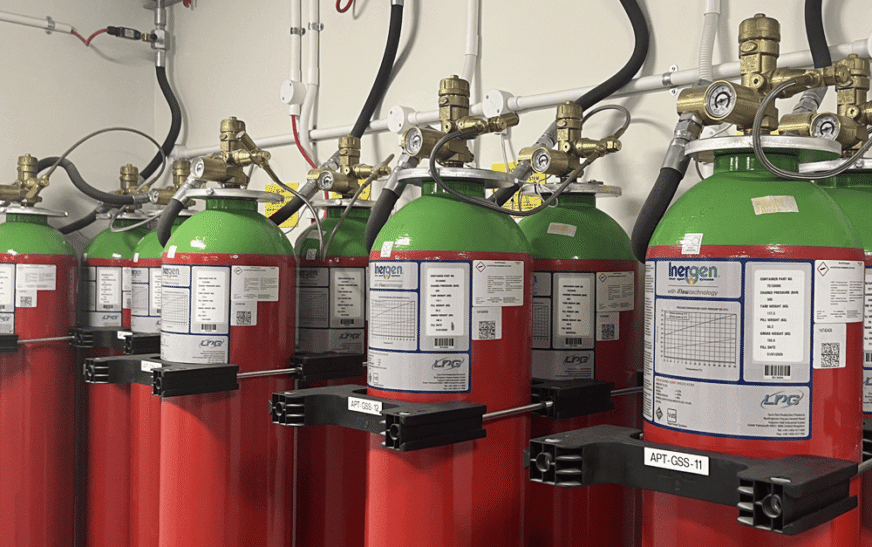
Clean agent gas systems displace oxygen or break the chemical chain reaction of the fire entirely. They leave absolutely no residue behind after discharge. Site operations can resume quickly once the faulty component is replaced.
- Inert gases like IG-541 drop the room’s oxygen level just below the threshold needed for sustained combustion.
- Synthetic chemical agents absorb heat rapidly from the fire zone to halt the thermal reaction instantly.
- Directional valve manifolds allow a single central bank of high-pressure cylinders to protect multiple separate electrical rooms.
- Aspirating smoke detectors draw air through fine pipes to catch fires long before visible smoke ever appears.
Managing Bulk Fuel Storage Hazards
High-expansion foam applications manage bulk fuel hazards by effectively smothering combustible vapours across expansive storage farms. A ruptured bulk diesel tank presents a massive, fast-moving risk to the entire processing operation.
Liquid pool fires spread quickly across open ground and are notoriously difficult to control with plain water streams. Foam suppression systems mix water, foam concentrate, and aspirated air to create a thick, stable protective blanket.
- Low-expansion foam setups tackle large, flat surface fires on open tank roofs and heavy vehicle loading gantries.
- High-expansion foam generators fill massive bunded containment areas with lightweight bubbles in mere minutes.
- Mechanical proportioning equipment ensures the exact ratio of foam concentrate mixes with the high-pressure water supply.
- Subsurface injection methods push foam up from the bottom of the tank to form a seal on top of the burning fuel.
The Role of Water Mist in Confined Spaces
Microscopic water droplets absorb heat rapidly while preventing catastrophic flooding in tight underground enclosures. Traditional deluge sprinklers dump thousands of litres of water very quickly.
In an underground crushing station, that massive runoff causes severe flooding and operational chaos. Water mist systems operate at much higher pressures to aggressively atomise the water flow.
- Incredibly tiny droplets create a massive total surface area for immediate environmental heat absorption.
- The mist turns to steam almost instantly upon hitting the active fire, physically displacing oxygen at the base.
- Reduced water usage means much smaller holding tanks and narrower stainless steel pipework installations.
- The dense mist physically scrubs toxic smoke particles out of the air, directly aiding emergency escape visibility.
Independent Fire Water Networks
Dedicated fire water tanks ensure emergency suppression hardware doesn’t steal pressure from the main site supply. Mine sites consume vast amounts of raw water daily for dust suppression and mineral processing tasks.
Tying the emergency fire system directly into the main process water network guarantees a severe pressure failure. If a fire starts during peak operational draw, the automatic sprinklers simply won’t have enough water pressure to function.
This specific setup guarantees that ground-level emergency hydrants and roof sprinklers both get adequate, reliable flow.
Frequently Asked Questions
Why Can’t Standard Sprinklers Handle Mine Site Fires?
Standard commercial sprinklers lack the durability and specific extinguishing agents required for intense mining hazards. They simply can’t cool the extreme heat generated by heavy earth-moving machinery or bulk diesel fires. The abrasive dust and constant vibration of an active site will also break fragile commercial components very quickly.
How Often Do Fire Suppression Systems Need Servicing?
Basic visual checks usually happen weekly or monthly to ensure pressure gauges read correctly and isolation valves remain open. Comprehensive functional testing by qualified technicians occurs every six months and annually across the entire site. High-pressure storage cylinders also require mandatory hydrostatic pressure testing every ten years to maintain strict legal compliance.
What Happens if a Switch Room Gas System Leaks?
A leaking switch room allows the clean agent gas to escape rapidly before it fully suppresses the electrical fire. This rapid pressure loss allows the flames to reignite almost immediately after the initial automatic discharge. Technicians perform an annual enclosure integrity test to locate and physically seal these hidden structural leaks.
Wrap-Up
Implementing built-for-purpose fire protection keeps heavy machinery running safely and safeguards vital site electrical infrastructure. Mine sites present highly unique chemical and thermal hazards daily.
Standard commercial setups fail rapidly under these extreme environmental conditions. Gas suppression systems provide the only safe, residue-free option for remote control rooms and electrical hubs.