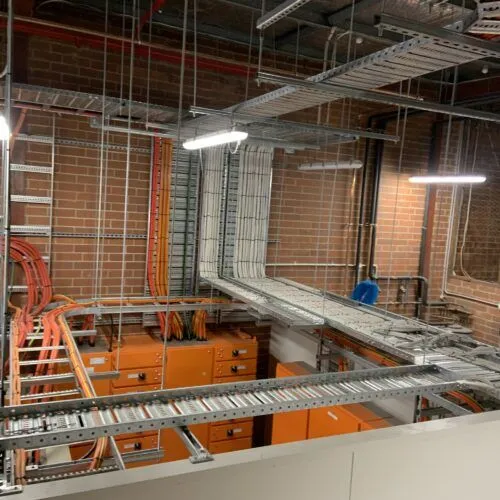


Electrical safety audits are not just a compliance tick box for strata committees and commercial property owners. They are a structured way to find faults early, prevent costly downtime, and protect people and assets. With more buildings adding EV chargers, solar, data networks, and complex automation, there are more points of failure than ever.
An audit gives you a clear picture of risk, a plan of action, and the documentation you need for insurers and regulators. If you already engage electrical services for maintenance, an audit ensures that work is targeted, effective, and aligned with your long term asset plan.
What An Electrical Safety Audit Actually Covers
Before you decide if you need an audit, it helps to understand the scope. A proper audit is a top to bottom assessment of the electrical installation against current standards and practical safety expectations. The goal is to identify non conformances, degraded equipment, and operational risks, then prioritise remediation.
Typical inclusions:
- Switchboards and metering, including enclosure integrity, labelling, and segregation
- Protective devices such as circuit breakers, fuses, and RCDs, with trip testing and discrimination checks
- Earthing and bonding continuity to ensure fault currents clear safely
- Thermal imaging to detect hot spots on busbars, lugs, breakers, and terminations
- Cabling routes and mechanical protection in risers, ceilings, and plant rooms
- Emergency and exit lighting coverage and function testing
- Lightning and surge protection condition and bonding
- Generators, ATS, UPS, and battery systems for backup supply integrity
- Plant interfaces for lifts, HVAC, fire panels, and essential services
- Emerging systems such as EV chargers, solar inverters, and battery storage
A competent auditor will produce a risk ranked report with photos, standards references, and a practical remediation roadmap you can hand to your electrical services provider.
Why Strata Schemes Benefit from Regular Audits
Strata plans bring together different owners, usage types, and budgets. That creates complexity, and complexity needs control. Regular audits align many moving parts so committees can make informed decisions.
Key benefits:
- Clear risk visibility across common areas, car parks, lift lobbies, and plant rooms
- Evidence for annual general meetings to support spending on priority items
- Reduced nuisance tripping and tenant complaints through targeted fixes
- A baseline for planning upgrades like EV charging, solar, or metering changes
By treating the audit as part of scheduled electrical services, strata managers can avoid reactive firefighting and keep owners aligned on safety priorities.
Why Commercial Buildings Cannot Skip Audits
For commercial properties, risk translates directly to money. Downtime in an office tower, retail centre, or warehouse interrupts operations, impacts tenants, and can trigger penalties in leases.
Commercial reasons to audit:
- Demonstrate due diligence to insurers and reduce the chance of claim disputes
- Protect revenue by finding faults before they cause outages
- Verify that modifications by tenants do not compromise shared infrastructure
- Support lifecycle planning for switchboards, UPS, and essential plant
If your lease agreements reference compliance, an audit is the simplest way to prove you meet your obligations.
Compliance Is Not Enough Without Proof
Meeting the standard is one thing. Proving it is another. Audits create the documentation that closes the loop. You need records that show what was checked, what was found, and when it was rectified.
Good audit outputs include:
- A register of non conformances with risk ratings and photos
- A prioritised action plan with budget estimates and recommended timeframes
- Test results for RCDs, earth continuity, insulation resistance, and emergency lighting
- Updated single line diagrams and switchboard labels where required
These records protect you during regulator inspections and insurance queries. They also help new building managers or electrical services contractors pick up where the last team left off.
Common Issues Audits Catch Early
Audits consistently reveal patterns. Knowing them helps you plan ahead and avoid surprises.
Frequent findings:
- Overheating at main lugs or distribution boards due to loose terminations
- Inadequate or missing RCD protection on socket outlets and wet areas
- Degraded emergency exit lights, battery failures, and coverage gaps
- Outdated switchgear that lacks spare parts or fails thermal scans
- Non compliant alterations by tenants, such as overloaded circuits or unlabelled sub boards
- Poor earthing and bonding continuity after renovations
- Surge protection devices at end of life with no replacement plan
- Cable insulation damage in car parks and plant rooms
Catching these items early costs far less than dealing with smoke events, water ingress faults, or outage driven repairs.
The Bottom Line
Electrical safety audits pay for themselves by preventing outages, supporting insurance claims, and protecting people. For strata committees, they provide the evidence needed to set budgets and prioritise common property works. For commercial owners and managers, they reduce operational risk and create a roadmap for upgrades.
Pair the audit with reliable electrical services and you gain a practical, repeatable process that keeps your building compliant, efficient, and tenant friendly.