
Summer punishes the part of your lawn you cannot see. The surface bakes, water evaporates fast, and even “good” watering can turn into patchy results because moisture is not moving evenly through the soil profile. A summer soil mix is less about making soil richer, and more about managing water behaviour and keeping roots active when the top few centimetres are stressed.
If you want practical Australian lawn care outcomes in summer, treat the soil like a system: water in, water held, water shared evenly, nutrients staying usable, and roots staying switched on.
What Actually Changes in Summer
In cooler months, you can often get away with a basic topdress and a normal fertiliser routine. Summer is different because the lawn is trying to cool itself while also staying hydrated and repairing wear. Soil conditions often push in the opposite direction, especially in full sun areas and high-traffic zones.
A few summer shifts are worth calling out because they explain why “same mix, same routine” stops working:
- Evaporation ramps up, so shallow moisture disappears quickly.
- Water can bead and run off, rather than soaking in evenly.
- Roots chase surface moisture, which makes the lawn more fragile between watering cycles.
- Nutrients move poorly through dry, unevenly wet soil, so feeding becomes inconsistent.
- Compaction becomes more obvious, because dry soil tightens and resists infiltration.
The headline is simple: summer success is usually limited by soil water behaviour, not by how often you water.
The Real Job of a Summer Soil Mix
A summer mix is not just “soil plus compost”. The best summer mixes are built to change how water acts in the root zone, so the lawn stops living feast-or-famine between irrigations. That means improving both penetration (getting water in) and retention (keeping it there long enough for roots to use it), while supporting soil function so nutrients remain available.
A useful summer mix typically aims to do four things at once:
- Help water soak in, rather than pool or run off
- Hold moisture in the root zone longer, without waterlogging
- Support deeper, steadier root growth
- Improve nutrient uptake efficiency, so the lawn responds without needing aggressive feeding
That is why summer soil mixes often lean on wetting agents, humic compounds, and kelp, rather than simply adding more “bulk” organic matter.
Why “More Water” Often Fails Without the Right Mix
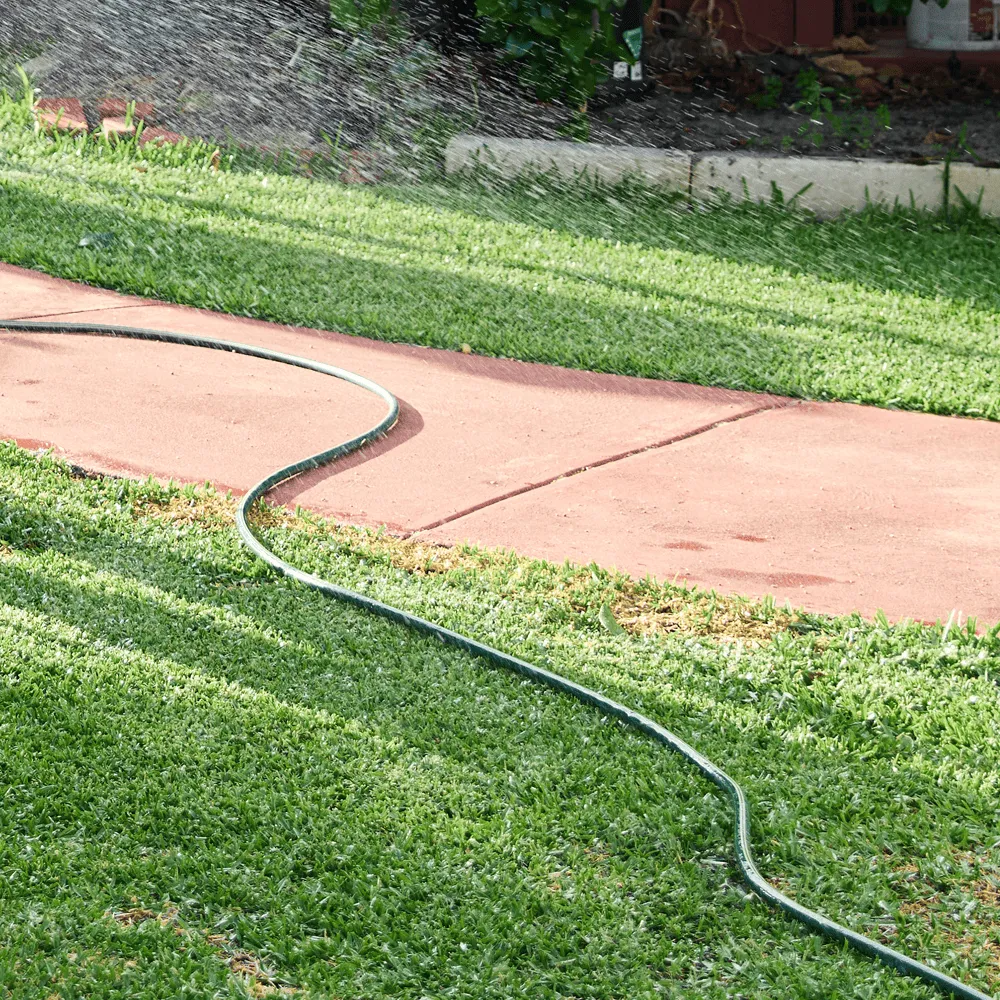
Plenty of lawns look great right after watering, then fade again within a day or two. That pattern is a clue that water is not distributing through the profile. Some areas get drenched while others stay dry, and roots end up stuck near the surface where conditions swing hard.
In summer, watering more can create two problems at once: wasted water and uneven growth. You get soft, stressed turf in the wet spots and thin, brittle turf in the dry spots. A summer soil mix helps because it targets evenness, not just volume.
If your summer watering feels like hard work for mediocre payoff, it is usually time to adjust the soil mix, not just the sprinkler schedule.
Core Ingredients That Make a Summer Mix Work
You can buy a ready-made summer soil mix or build your own approach, but the “why” behind the ingredients matters. Summer mixes tend to perform best when they combine penetration, soil support, and root stress management.
Penetrating or Holding Wetting Agents
Wetting agents are designed to help water spread and soak in, rather than forming droplets and running off. In summer, some soils become water-repellent, so a wetting agent is often the highest-impact addition you can make.
When a wetting agent is doing its job, you usually notice fewer stubborn dry patches and more consistent colour across the lawn.
Humic and Fulvic Compounds
Humic substances support the soil environment roots live in. In practical terms, they can help improve soil structure and nutrient efficiency, especially when heat and dryness make nutrients harder to access consistently.
Humic inputs are not magic, but they often improve how well your lawn uses what you are already applying, which is exactly what you want in summer when you are trying to avoid big growth surges.
Kelp or Seaweed Extracts
Kelp is popular in Australian lawn care because it supports roots and helps turf cope during heat spikes. It is a “steadying” input that can help the lawn hold together through stress and bounce back after harsh weather or heavy use.
Kelp also pairs well with a summer watering plan because it supports recovery without forcing rapid, thirsty growth.
Soil Conditioners for Structure
Depending on your soil type, summer can expose structural weaknesses fast. Sandy soils struggle to hold moisture, while heavier soils can seal over and resist infiltration. Conditioners are there to improve the physical side of the profile.
Options include mineral conditioners and organic inputs, but in summer the goal is balanced structure, not a thick sponge layer sitting on top that dries unevenly.
Choosing a Summer Mix Based on Your Soil Type
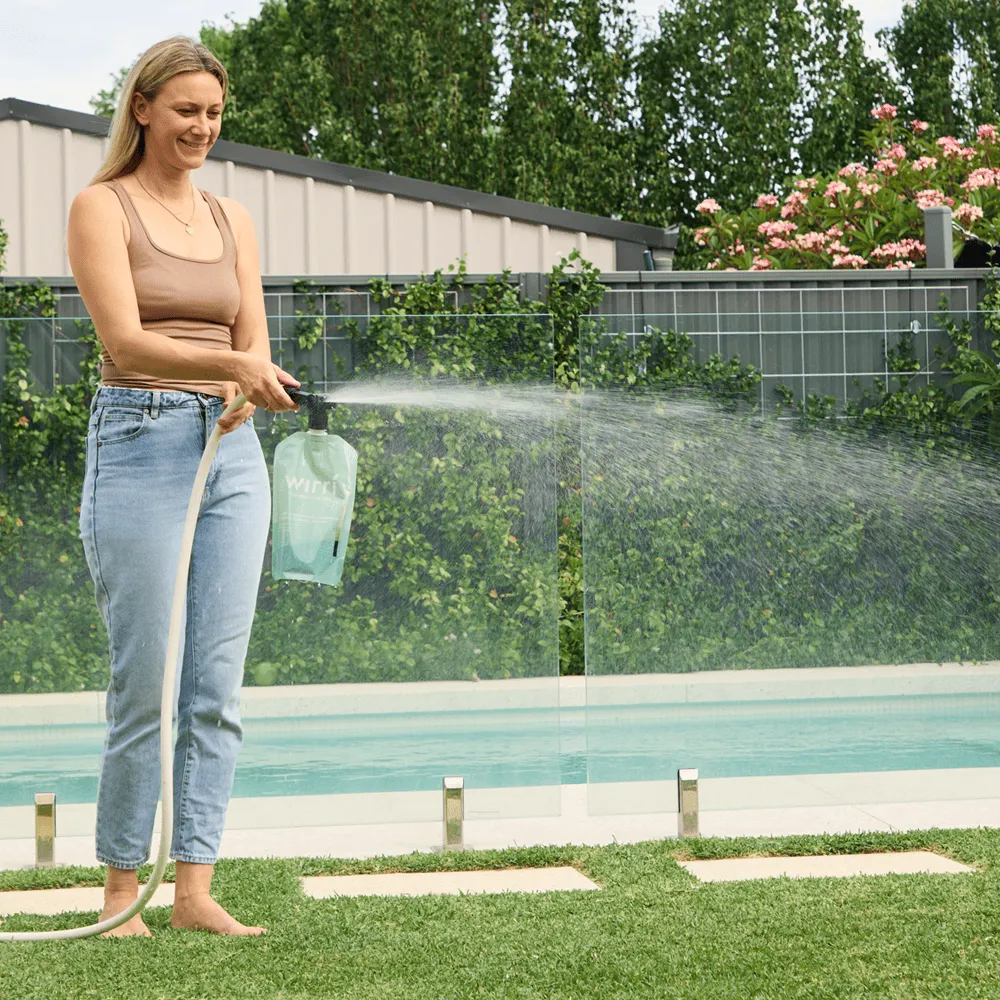
A summer mix that works brilliantly on one lawn can underperform on another. The shortcut is to match the mix to what your soil is doing under heat. Focus on the symptom you can see, then pick the ingredients that change the behaviour underneath.
If You Have Sandy Soil
Sandy profiles drain quickly and can become water-repellent. Summer mixes for sand usually prioritise penetration plus water-holding in the root zone, without creating a soft, unstable surface.
Start by aiming for:
- A wetting agent to improve infiltration and reduce dry patching
- Humic inputs to support soil function and nutrient efficiency
- A measured approach to organic matter (enough to help, not so much it turns mushy)
- Deep watering habits that encourage roots to move down
If sand is your reality, consistency wins. The best results usually come from repeating a summer program, rather than trying to fix it with a single heavy application.
If You Have Clay or Reactive Soils
Clay can hold water, but summer often makes it crack, seal, and compact. The challenge is getting water in and keeping oxygen moving through the root zone, so roots do not stall.
A clay-friendly summer approach often focuses on:
- Improving infiltration so water does not sit on the surface
- Avoiding overly heavy topdressing that can cap the profile
- Using conditioners that support structure and reduce compaction
- Watering in a way that avoids repeated shallow surface wetting
If you only treat clay from the top, you often get a brief improvement followed by the same hot-weather issues. Aim for a mix that changes infiltration and moisture distribution over time.
If You Have Compacted, High-Traffic Areas
Footpaths, play zones, pet runs, and narrow side strips often become the problem areas in summer. These spots need a mix that improves penetration and helps the root zone recover, not a rich layer that dries out unevenly.
Priorities typically include:
- Penetration first (water has to get in before anything else matters)
- Root support inputs like kelp
- Consistent watering-in after application to drive product into the profile
- Spot treatments, rather than only blanket applications
If your lawn is mostly fine but one strip always fails, treat it as its own project. That is often the fastest path to visible improvement.
Closing Thoughts
Summer does not reward “more of the same”. It rewards a soil mix that changes how water moves and holds in the root zone, so roots stay active and the lawn recovers faster after heat and wear. Build your summer mix around penetration, retention, and soil function, then apply it in a way that actually drives it into the profile.