Many Australian households rely on gas fireplaces and ducted heating systems to stay warm during winter. These systems are reliable and efficient, but like any piece of equipment, they need to be checked before winter starts. A little preparation can prevent breakdowns, keep energy bills under control, and ensure you’re not left in the cold during the first big chill.
Why Pre-Winter Heating Checks Matter
Before diving into the steps, it’s worth understanding why pre-winter checks are so important. Gas fireplaces and ducted heating systems are safe and effective when properly maintained, but small issues can quickly turn into big problems if ignored. Blocked vents, faulty ignitions, or worn parts can all cause efficiency loss or even safety hazards. A quick check and service now is far cheaper and easier than an emergency call-out in the middle of winter.

Step One: Inspect Your Gas Fireplace
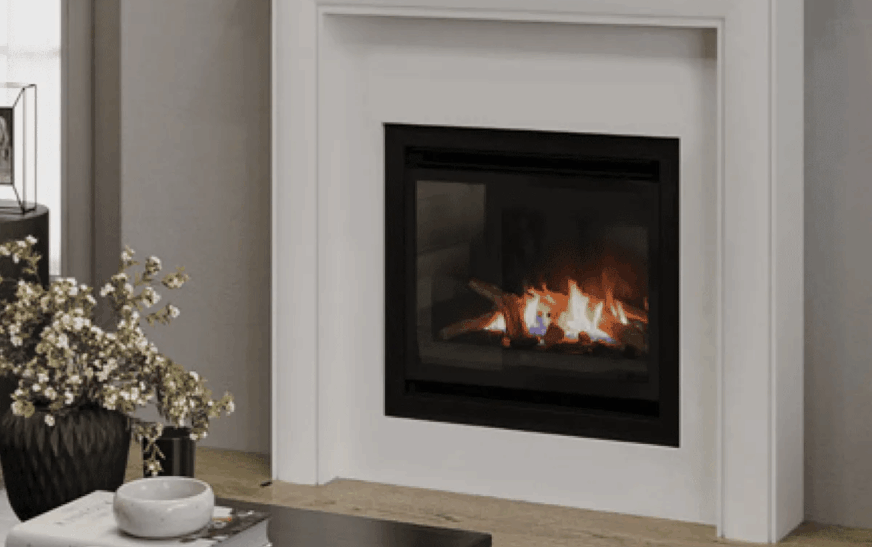
A gas fireplace is often the centrepiece of a living room, offering both warmth and ambience. But dust, soot, or small faults can reduce its performance.
Here’s what to check:
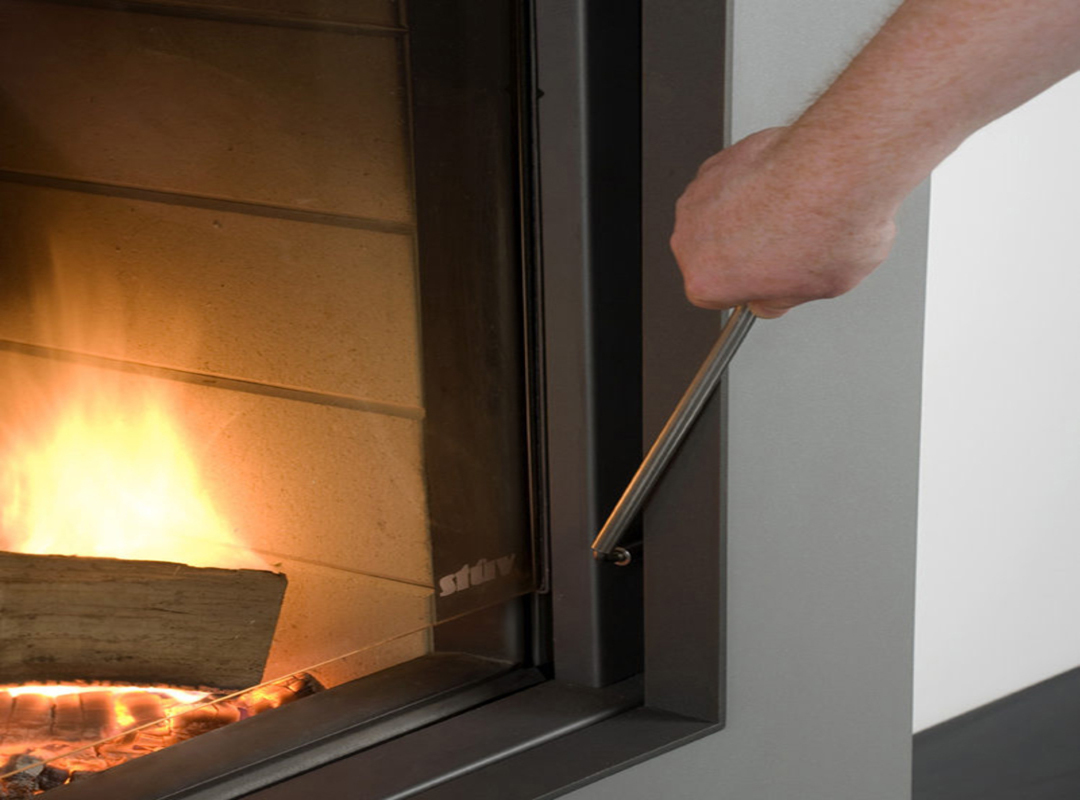
- Visual inspection – Look at the glass panels, burner, and logs or coals for signs of damage or wear. Cracks, soot buildup, or strange discolouration are signs that something needs attention.
- Cleanliness – Wipe down the glass and clear away dust around the unit. Even small blockages can affect airflow and cause inefficiency.
- Pilot light – Make sure the pilot light ignites cleanly. A weak or flickering flame may indicate a gas supply issue or a blocked nozzle.
- Odours – If you smell gas when the unit is off, turn it off at the main supply and call a licensed gas fitter.
Step Two: Service the Fireplace Professionally
Even if your fireplace looks fine, it should still be serviced by a qualified technician before heavy winter use. Professional servicing will include:
- Checking the flue for blockages.
- Testing gas pressure and connections.
- Cleaning internal burners and components.
- Ensuring carbon monoxide levels are within safe limits.
This isn’t just about comfort. A poorly maintained gas fireplace can become dangerous, so a pre-winter service is a non-negotiable step.
Step Three: Assess Your Ducted Heating System
Ducted heating works hard through winter, and because it’s hidden in ceilings or under floors, it’s easy to forget about it until something goes wrong. Start by:
- Checking vents – Make sure vents are not blocked by furniture, rugs, or dust. Restricted airflow forces the system to work harder, raising energy bills.
- Inspecting ductwork – Look for signs of wear, leaks, or sagging ducts. Even a small tear can waste a large amount of heated air.
- Listening for unusual sounds – Clanks, rattles, or whistling noises are usually signs that a fan or motor needs attention.
- Testing thermostat accuracy – Set your thermostat a few degrees higher than the room temperature to see if the system responds properly.
Step Four: Replace or Clean Filters
Filters in ducted heating systems collect dust and particles. If they’re not replaced or cleaned regularly, airflow suffers, efficiency drops, and indoor air quality gets worse. For most homes, filters should be checked every three months and replaced at least once a year. Doing this before winter starts ensures your system runs smoothly throughout the season.
Step Five: Get a Professional Ducted Heating Service
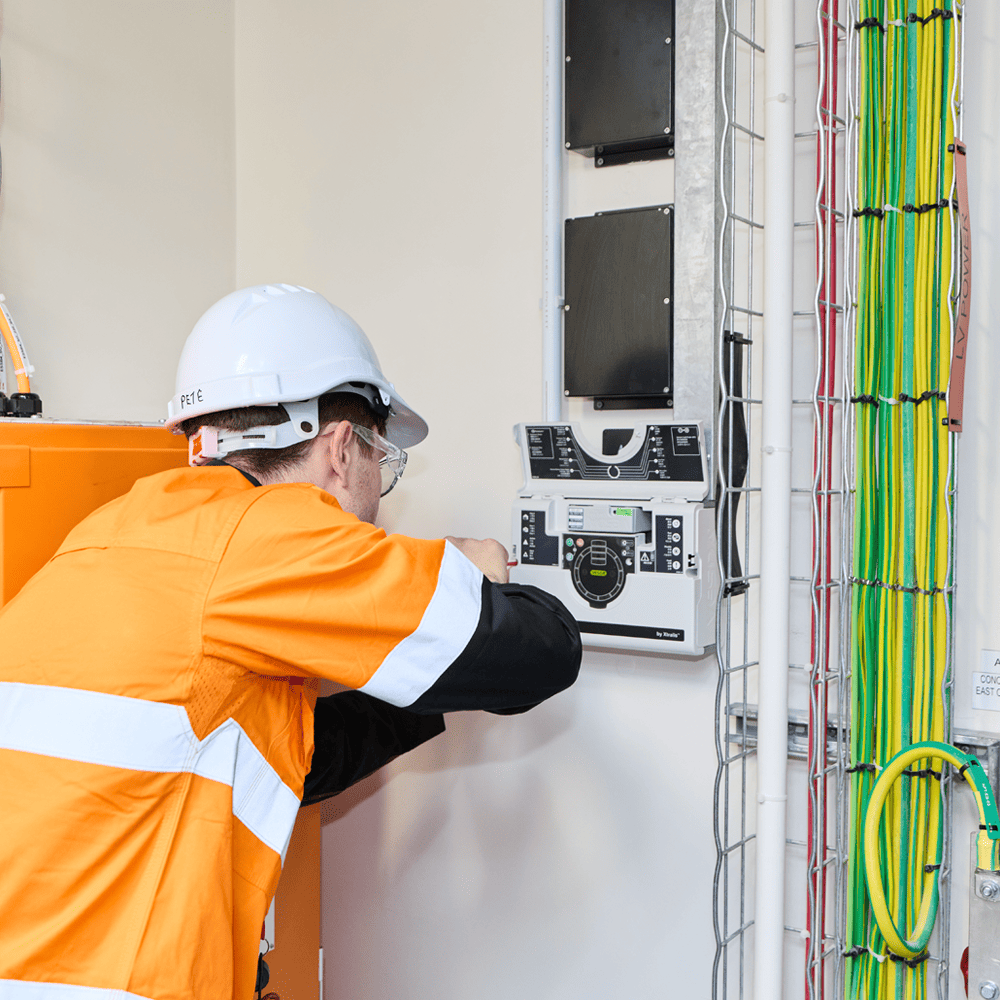
Like your fireplace, ducted heating should be professionally serviced before winter. A licensed technician will:
- Inspect gas burners and heat exchangers.
- Test for leaks or cracks that could cause carbon monoxide issues.
- Check the fan motor, belts, and electrical connections.
- Calibrate the thermostat for accurate temperature control.
This not only keeps the system running at peak efficiency but also extends its lifespan.
Step Six: Safety First
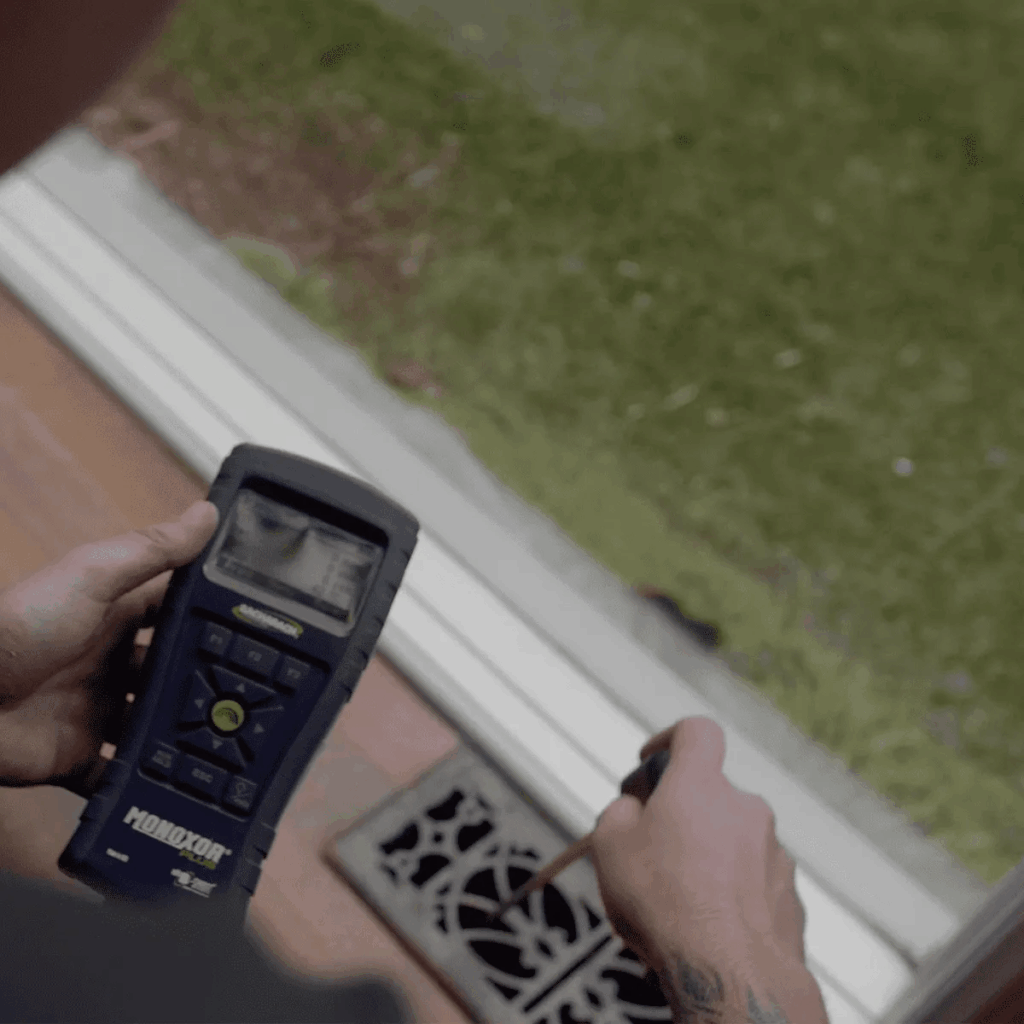
Both gas fireplaces and ducted heating systems carry the risk of carbon monoxide leaks if not properly maintained. Installing a carbon monoxide detector in your home adds an extra layer of protection. Make sure it’s tested regularly and has fresh batteries before winter starts.
Step Seven: Think About Energy Efficiency
Once your systems are safe and working, take a moment to consider efficiency. Running a fireplace or ducted heating system doesn’t have to mean sky-high energy bills. A few simple habits can make a big difference:
- Close doors to rooms you’re not using.
- Seal draughts around windows and doors.
- Use heavy curtains to trap heat inside.
- Set thermostats to a steady, comfortable temperature instead of constantly adjusting.
By combining these steps with well-maintained heating systems, you can stay comfortable without overspending on gas.
Final Thoughts
Getting your gas fireplace and ducted heating system winter-ready isn’t complicated, but it does require some attention. Start with a visual check, clean what you can, replace filters, and then call in a professional for a full service. By doing this before the cold weather hits, you’ll avoid emergencies, save money, and enjoy a warm, comfortable home all season.