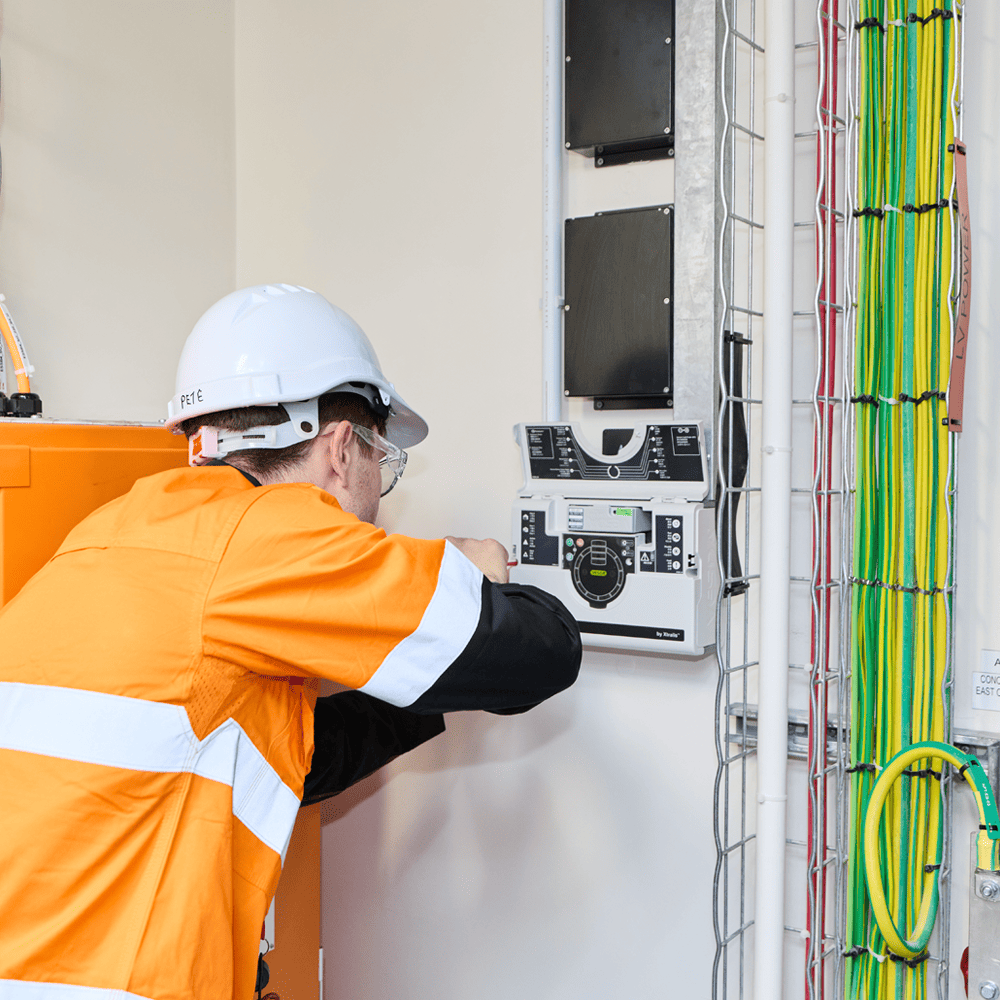

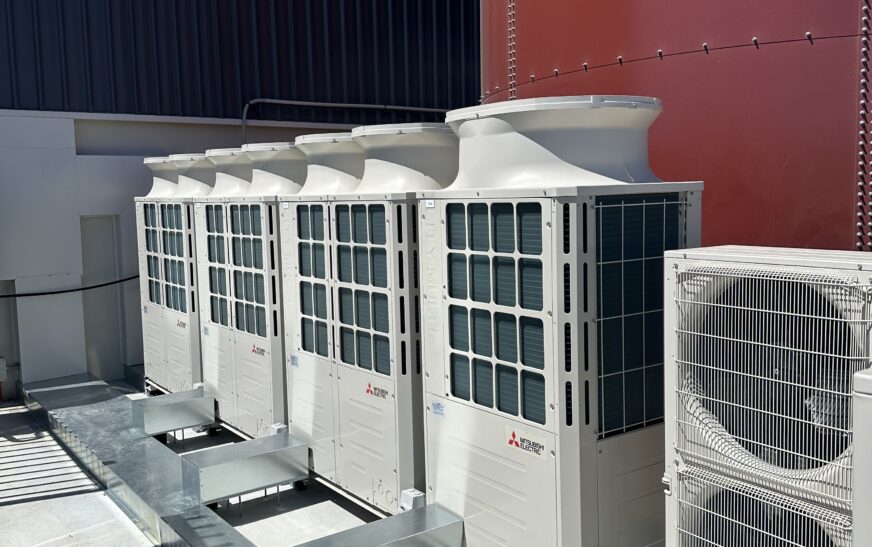
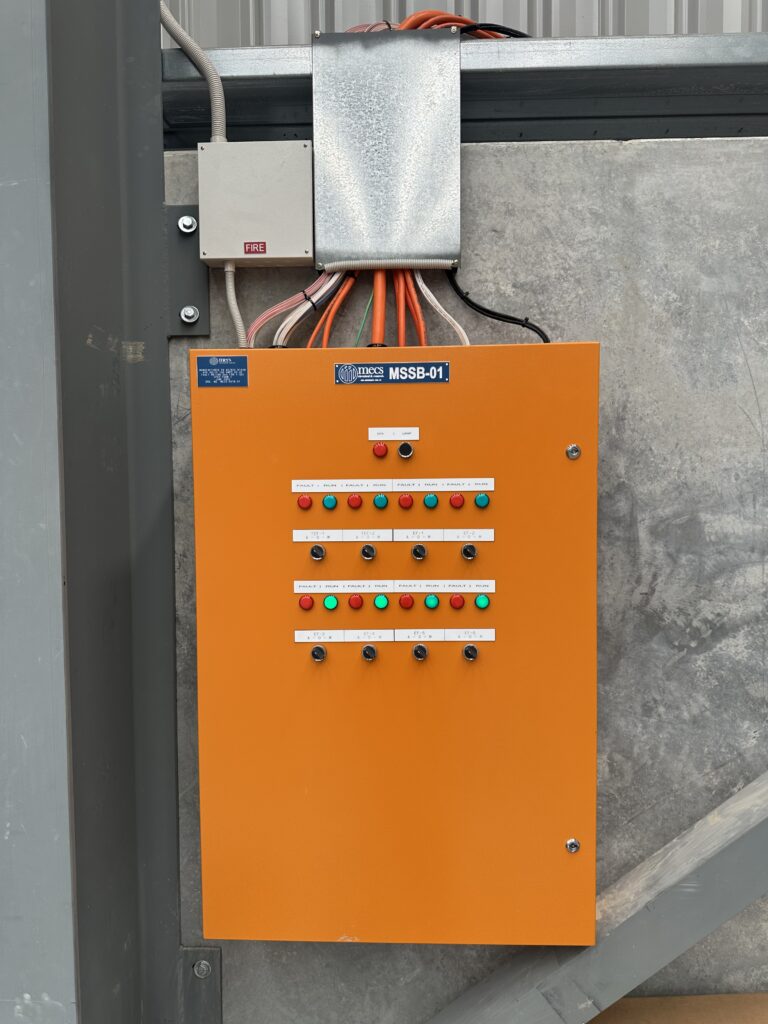
The modern commercial building relies heavily on its HVAC controls and switchboard to maintain continuous operations. A mechanical switchboard, known in the trade as an MSSB, is the central electrical panel housing all climate system motor starters and programmable controllers.
Many facilities end up with a tangled mess of undocumented relays that nobody understands. When the design ignores basic electrical logic, expensive equipment inevitably fails early.
The Core Functions of a Logical Layout
A logical layout directly reduces diagnostic time and prevents accidental shorts during routine maintenance. Separation of voltages and clear labelling are the non-negotiables of professional panel design.
- Separating high-voltage motor starters from sensitive 24V control wiring prevents destructive magnetic interference.
- Installing neatly slotted cable ducting allows easy tracing of every single wire from the terminal block to the component.
- Leaving at least twenty percent spare capacity on the DIN rails accommodates future expansion needs without requiring a new cabinet.
- Printing durable and fade-resistant labels for every contactor outlasts cheap markers and prevents switching errors.
Most operators reckon a tidy board reflects the quality of the unseen programming. A chaotic physical board suggests the automation logic is equally messy. Technicians won’t waste hours chasing ghosts if the physical hardware is logically arranged from day one. Good organisation removes the guesswork from emergency breakdown calls.
Managing Heat Dissipation and Component Lifespan
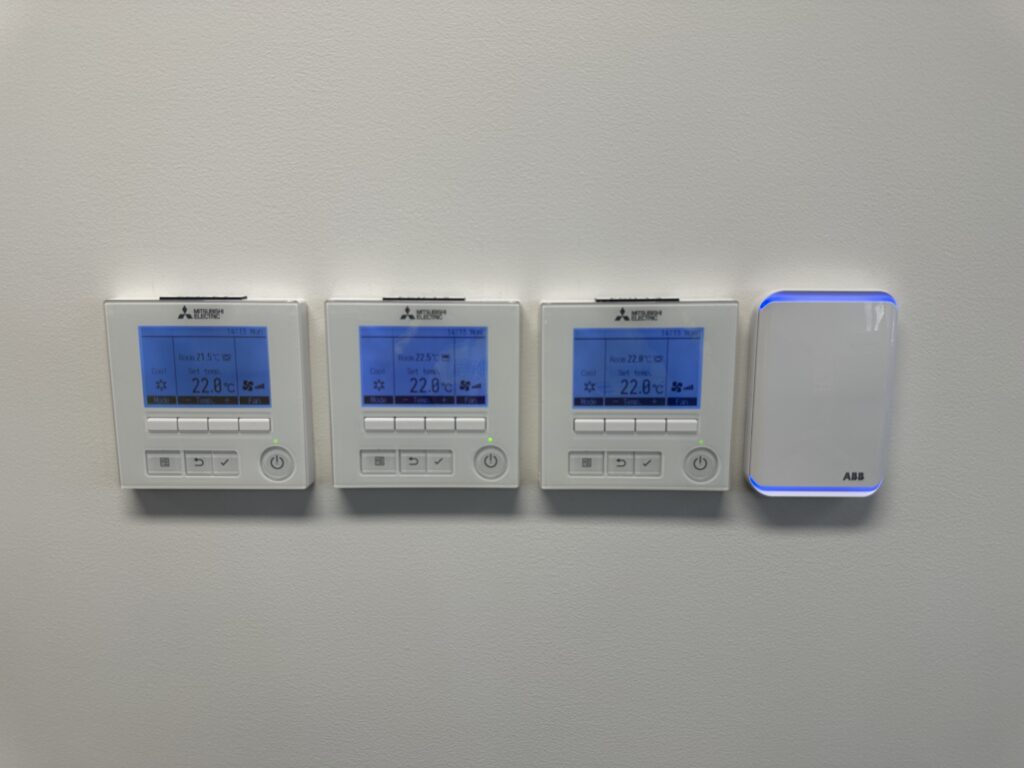
Adequate thermal management stops variable speed drives and power supplies from cooking themselves inside sealed enclosures. Switchboards generate significant internal heat that must escape safely.
- Positioning heavy heat-generating components like variable speed drives near exhaust vents improves cooling efficiency.
- Fitting thermostatic cooling fans ensures airflow activates only when internal temperatures exceed thirty degrees.
- Calculating the total heat dissipation of all internal devices prevents undersized cabinet dimensions.
- Separating heavy transformers from delicate programmable logic controllers reduces thermal stress on microprocessors.
Components fail prematurely when enclosures lack proper ventilation. Capacitors dry out rapidly under constant high heat and eventually rupture. Trade professionals know that spacing components out saves thousands in replacement parts over a decade. It’s a simple physics problem.
Heat rises rapidly, and sensitive electronics despise heat. Older programmable controllers quickly spit the dummy when subjected to high temperatures in a plant room.
Integration Faults and Communication Breakdowns
Communication dropouts usually happen because installers ignore proper grounding techniques for shielded data cables. Building management systems rely on clean data packets to function correctly. Without proper shielding, high-frequency noise from variable speed drives scrambles the network completely. The whole site can easily drop offline without warning.
Many sites experience erratic fan speeds due to severe communication interference. Contractors sometimes run low-voltage BACnet cables right alongside high-current mains feeds. The data signals become corrupted by the surrounding electromagnetic fields. Proper segregation of control protocols is a baseline requirement for stable operations.
Good contractors separate data lines by at least three hundred millimetres from main power cables. Intermittent faults are incredibly expensive to diagnose and rectify. Most technicians prefer solid faults because they’re much easier to track down. A noisy communication bus requires an oscilloscope and plenty of patience to fix.
Properly grounding the drain wire at one end only prevents destructive ground loops.
Compliance Expectations for Australian Sites
Strict adherence to AS/NZS 3000 Wiring Rules ensures the panel won’t pose a fire or shock hazard. Commercial facilities must maintain compliance to pass mandatory electrical inspections and retain insurance coverage.
- Ensuring all main isolators are easily accessible guarantees quick emergency shutdown procedures.
- Verifying the short-circuit fault current rating matches the potential supply fault level prevents catastrophic panel explosions.
- Installing proper mandatory shrouding over all live terminals protects technicians working near active gear.
- Maintaining detailed schematic drawings inside a dedicated pocket within the enclosure speeds up future diagnostics.
Inspectors won’t hesitate to defect a non-compliant mechanical switchboard instantly. Safety regulations exist to prevent lethal accidents in the workplace. An open and un-shrouded busbar is a severe hazard for service personnel. Australian regulations demand a high standard of workmanship across all commercial sites.
Facilities trying to cut corners on switchboard builds always pay more when the electrical regulator steps in.
Frequently Asked Questions
How Long Should a Commercial Mechanical Switchboard Last?
A well-built mechanical switchboard should easily last twenty to twenty-five years under normal operational conditions. This lifespan drops significantly if the board lacks proper ventilation or skips regular maintenance schedules. Upgrading internal smart components is normal, but the physical cabinet and copper busbar usually endure.
Why Do Variable Speed Drives Cause Motor Bearing Failures?
Drives create high-frequency common mode voltages that constantly seek a physical path to ground. If the motor cable isn’t properly shielded and earthed, this stray current travels directly through the motor bearings. This constant electrical arcing causes microscopic pitting, which eventually ruins the bearing completely.
What Is the Polling Interval for a Building Management System?
A building management system typically polls field devices every thirty to sixty seconds to gather operational data. Faster polling rates can overload the communication bus and cause severe network traffic jams. Critical safety alarms run on separate, immediate hardware interrupts rather than slow software polling loops.
Wrap-Up
There’s no shortcut to building an effective control panel for complex mechanical services. The physical layout dictates how easily technicians can fault-find during an after-hours emergency breakdown. Cutting corners on wire sizing or thermal management just defers the actual costs to a later date. Commercial facilities rely heavily on these specific enclosures to keep operations running smoothly. A proper build pays for itself through decades of reliable, predictable service.