
The hospitality industry operates on notoriously tight margins. Facilities managers track the degradation of exterior assets closely because outdoor furniture cops a hammering from the elements. It’s a straight calculation of replacement costs against daily wear.
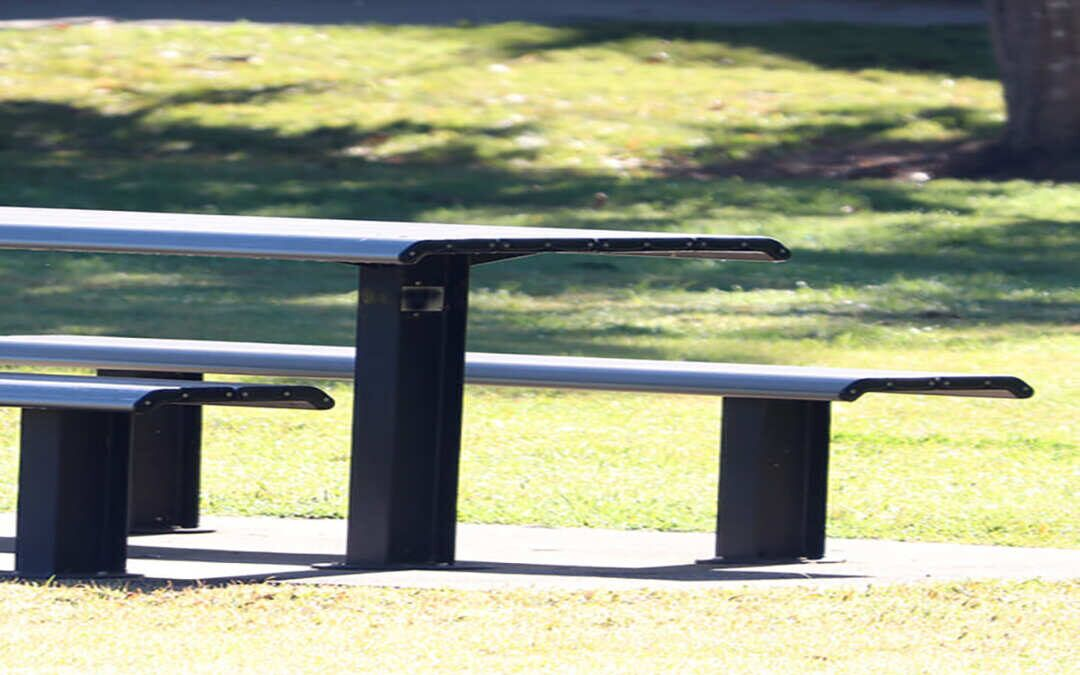
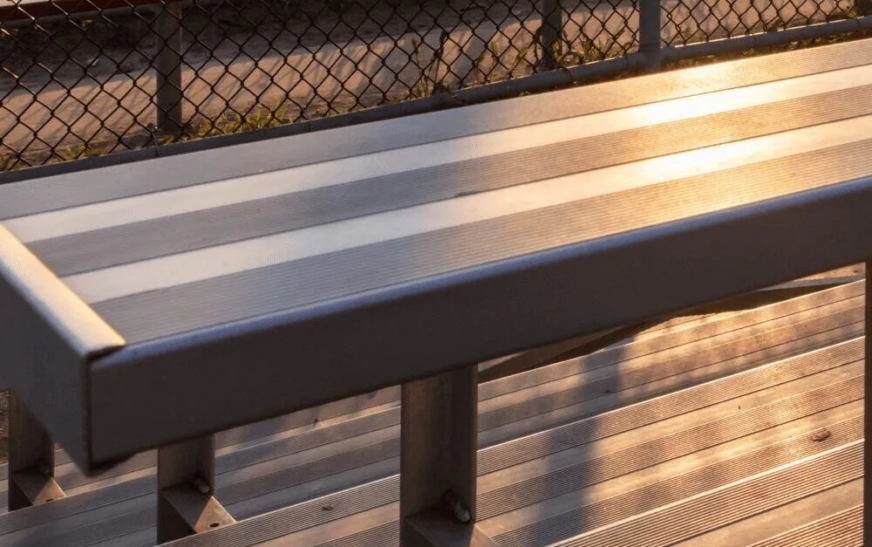
The common line in the trade is that aluminium bench seating answers the call far better than timber or steel alternatives. It’s lightweight and non-corrosive, holding an industrial finish exceptionally well.
Why Aluminium Outperforms Traditional Materials in Commercial Settings
Aluminium outperforms traditional materials in commercial settings because it resists rust entirely while offering an exceptionally high strength-to-weight ratio. Facility managers prefer it because there’s no point throwing money at steel that rusts or timber that splits. Aluminium profiles are extruded. This means they’re shaped under immense pressure to create solid, continuous lengths without weak weld points. This predictable structural behaviour is why local councils specify it heavily for public parks.
- Ferrous metals degrade quickly in coastal areas, whereas aluminium forms a protective oxide layer immediately upon exposure.
- Staff can easily reposition the furniture for events without needing heavy lifting equipment or risking workplace injuries.
- Extruded metal planks are highly resistant to impact and gouging compared to traditional softwoods.
- Non-combustible materials easily meet the strict requirements of the Building Code of Australia for public assembly areas.
A timber bench might look the part on opening day. The ongoing sanding and oiling quickly become an unbearable financial burden for the maintenance department. Most operators reckon metal is the only sensible long-term play for exposed courtyards.

The Role of Powder Coating in Protective Aesthetics
Powder coating provides a durable, baked-on finish that protects metal furniture from UV degradation while offering extensive architectural colour customisation. The process involves applying electrostatically charged powder to the grounded metal part. It’s then cured in a high-temperature oven.
This forms a hard skin that standard liquid paint simply can’t replicate. It allows an industrial material to blend into high-end architectural spaces. It’s a stylish application serving a highly functional protective role.
- Standard exterior grades require a minimum coating thickness of 60 to 80 microns for adequate protection against sun damage.
- Specialised marine-grade powders are available for venues within one kilometre of the coastline to prevent airborne salt ingress.
- Heavy textured finishes hide minor scuffs and daily wear effectively in high-traffic hospitality zones.
- Anti-graffiti coatings allow cleaning crews to wipe away vandalism with standard solvents without damaging the base colour beneath.
Applying the right finish means the furniture gets a proper crack at surviving a busy summer season. Operators save thousands on touch-up painting alone. It pays off fast.
Specific Fixing Methods for Varied Ground Terrains
Installation professionals secure benches using flanged surface mounts on concrete pads or extended legs for deep casting in soft landscaping. The stability of any seating depends entirely on its permanent connection to the earth. A great bench installed poorly is a huge public liability.
Sites vary wildly, from polished aggregate courtyards to uneven turf slopes. Understanding the right fixing method ensures the furniture remains level.
- Flange mounts use heavy-duty dynabolts or chemical anchors to secure base plates directly to existing concrete slabs.
- Core drilling is often used on tiled or paved surfaces to allow the seat leg to be epoxied deeply into the sub-slab.
- In-ground setups require the legs to be cast into a fresh concrete footing, typically a minimum of 400 millimetres deep.
- Freestanding options with durable rubber skids are sometimes specified for secure courtyards where daily cleaning crews move the assets.
Choosing the right installation method stops vandals from walking off with the expensive assets. It’s a small detail that saves major headaches down the track for operators.

Frequently Asked Questions
Can aluminium bench seating withstand marine environments?
Yes, it performs exceptionally well in coastal areas because the metal doesn’t rust. Marine-grade powder coating adds an extra protective layer against corrosive airborne salt spray. Venue managers near the beach consider it the standard baseline material.
How often should powder-coated surfaces be washed down?
A standard wash with warm soapy water every three months is usually sufficient for inland venues. Coastal properties should increase this frequency to monthly to prevent salt buildup. This simple routine protects the integrity of the baked-on finish perfectly.
Do commercial benches need to be bolted to the ground?
While freestanding options exist, public spaces generally require fixed seating to meet strict safety and insurance standards. Bolting the furniture down prevents accidental tipping and stops theft entirely. Council regulations often mandate permanent fixing for outdoor dining permits.
What is the expected lifespan of a commercial aluminium bench?
A well-manufactured unit can easily last fifteen to twenty years in a busy commercial setting. The primary metal structure won’t degrade under normal environmental conditions. The only factor that might age is the cosmetic surface finish over decades.
Key Takeaways
Investing in commercial furniture means looking past the initial purchase price to understand the total lifespan costs. Aluminium bench seating delivers a highly functional asset that handles harsh weather without requiring a dedicated maintenance team.
It holds its visual appeal through years of heavy commercial use. Trade specialists trust it because it solves common operational problems quietly and efficiently. Operators who choose their materials wisely spend less time managing furniture and more time running their actual business.