
Selecting the correct gauge for an aluminium flat sheet dictates how a fabricated part behaves under stress. A thin panel might rattle uncontrollably under load. A thick plate might break the budget completely. Sheet metal fabrication relies heavily on matching material grades to environmental demands.
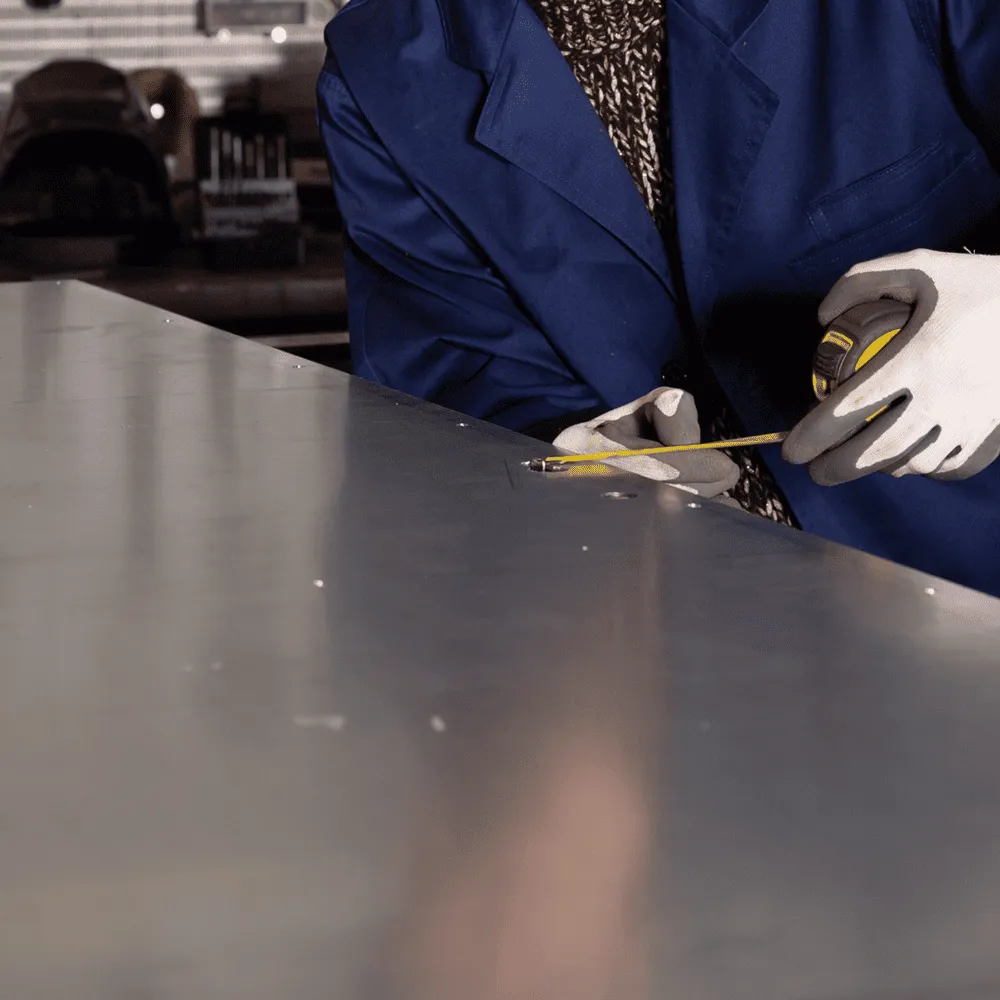
Thickness tolerance simply means the acceptable margin of error in a mill’s rolled sheet. It’s usually a fraction of a millimetre. That tiny variation dictates whether parts align perfectly or require heavy grinding.
The Basics of Load Bearing and Flex
The right thickness determines how much weight an aluminium flat sheet holds before permanently deforming. Panels subjected to high foot traffic require significant rigidity. Thin gauges simply warp when asked to perform demanding structural duties.
- Using a standard 1.2mm sheet for a load-bearing floor surface results in immediate bowing.
- Stepping up to a solid 3.0mm plate provides enough stiffness for light industrial walkways.
- Anything taking regular impact from heavy equipment needs at least 5.0mm to survive long-term.
- Installing intelligent structural bracing sometimes compensates effectively for a much thinner primary skin.
Most operators reckon there’s no point throwing money at thick heavy plates blindly. The underlying steel or aluminium frame usually handles the actual heavy lifting. A solid substructure changes the entire load equation. An unsupported sheet takes the full brunt of any applied mechanical force.
If that bare panel spans a particularly wide gap, thickness becomes the primary defence against deflection. Trade experience shows that static dead loads act very differently than moving ones. A vibrating compressor sitting on a thin enclosure quickly causes dangerous metal fatigue. Those invisible stress fractures ruin the entire mechanical assembly over time.
Bending, Folding, and Workability
Thicker sheets crack when bent too tightly, requiring larger minimum bend radii for structural integrity. Forcing a heavy plate into a sharp corner overstretches the outer face. This extreme tension causes dangerous micro-fractures that severely weaken the finished component.
- A standard 5052-grade sheet easily handles a relatively tight fold without splitting open.
- Stiff structural grades like 6061 snap instantly if bent past their specified material limits.
- The inside radius of a safe bend typically equals the actual material thickness.
- Running the folding line across the material grain significantly reduces the risk of cracking.
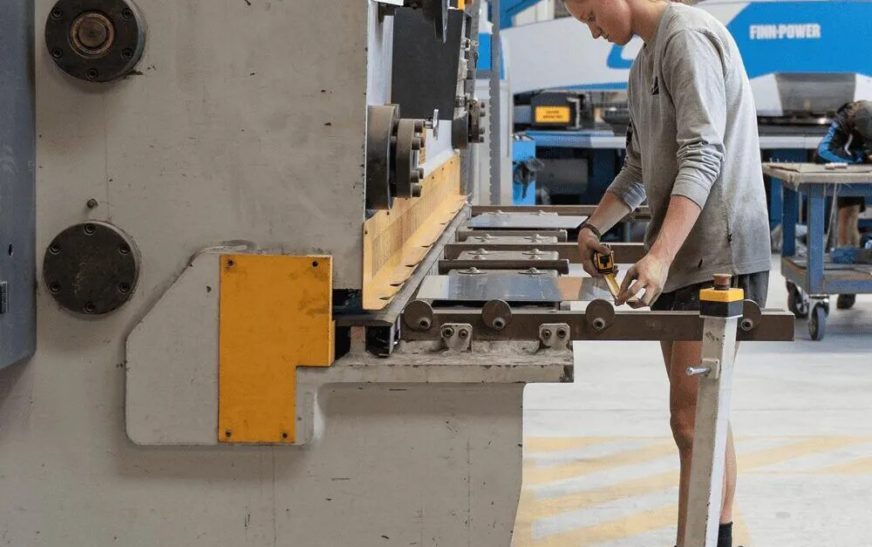
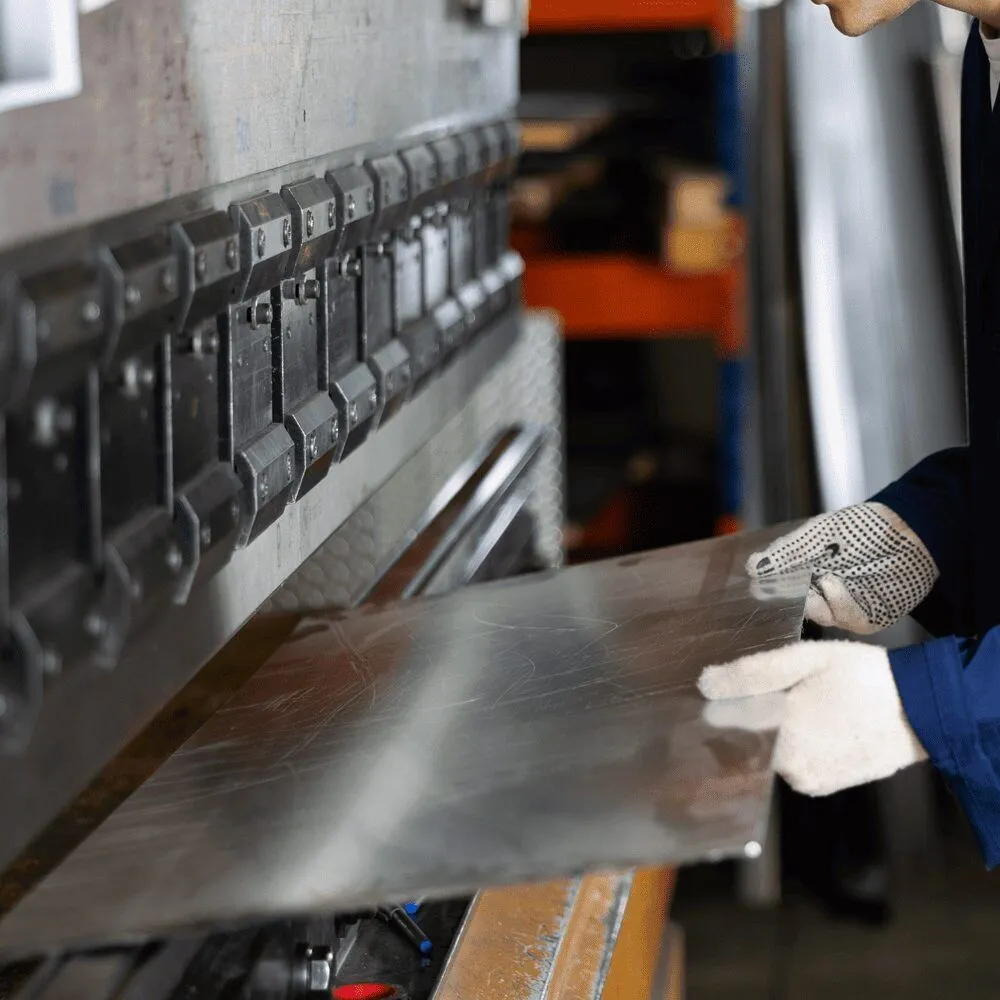
Bending heavy-duty panels requires serious workshop machinery. A standard manual pan brake simply won’t handle a 4.0mm marine-grade plate. Fabricators need a heavy hydraulic press brake with the correct V-block setup. The bottom tooling must match the material thickness perfectly for a clean result.
Operators often spot a chalky white haze along the outside of a tight bend. That visible discolouration indicates severe internal stress within the alloy structure. If the installed part faces cyclic loading, that weakened corner fails first. Many drafters specify sharp 90-degree corners on extremely thick architectural materials mistakenly.
The boys on the floor end up having to cut and weld the joint instead. Folding thick plates into sharp angles just isn’t a viable option for structural work.
Cost Implications of Over-Engineering
Upgrading to a thicker gauge exponentially increases material weight and cost without always adding strength. Every extra millimetre of metal thickness adds significant kilograms to the final assembly. This added mass drives up expensive freight and shipping fees quickly. It also makes manual handling on the construction site far more difficult.
- Raw material prices scale by the kilogram, making thicker sheets significantly more expensive.
- Heavier sheet components require bigger lifting gear and more site personnel to install.
- Extra weight in transport vehicles drastically reduces their overall legal road payload capacity.
- Thick sheets take considerably longer to cut and process on the factory floor.
Experienced material buyers know exactly when to step down a material size. A non-load-bearing architectural cover panel doesn’t need to be entirely bulletproof. Swapping a heavy 3.0mm sheet for a 2.0mm alternative saves thousands of dollars. It also makes daily life much easier for the tired installation crew.
Precision engineering finds the ideal balance between structural safety and excess. Adding unnecessary dead weight to a project is always an amateur move. Good sheet metal fabrication relies entirely on smart structural design. A well-placed internal gusset provides more strength than simply doubling the exterior panel thickness.
Frequently Asked Questions
Can Fabricators Weld 1.6mm Aluminium Sheets?
Welding a 1.6mm sheet is entirely possible but requires significant skill and patience. Specialised pulse TIG machines help operators control the intense heat input safely. Proper aluminium heat sinks and heavy copper backing bars are usually necessary. Most professional workshops actively avoid structural welds on material this incredibly thin.
What Is the Best Alloy for General Fabrication?
The 5052-grade alloy remains the undisputed industry standard for general folding and assembly. It offers excellent natural corrosion resistance and forms easily without cracking. This specific grade hits the absolute sweet spot between shop workability and structural strength. It takes both structural welding and decorative powder coating exceptionally well.
How Do Operators Stop Thin Sheets from Oil Canning?
Oil canning refers to the visible waving across flat spans of thin metal. Fabricators stop this by folding rigid stiffening ribs directly into the panel. Gluing a solid backing material to the reverse side also prevents ugly flexing. Upgrading to a slightly thicker metal gauge eliminates the issue entirely.
Closing Thoughts
Matching the right material gauge to the job prevents premature structural failures. Thin sheets offer excellent lightweight efficiency for architectural covers and non-structural cladding. Heavy plates supply the required physical backbone for demanding industrial load frames. Success hinges on understanding how the material responds to bending and environmental stress.