
Grass that survives summer heat is almost always sitting on the right soil mix, with the right structure, moisture and biology. Get that foundation right and everything else in your Australian lawn care routine becomes easier, cheaper and more predictable.
Why Soil Composition Matters More Than Extra Water
Most people respond to a stressed lawn by turning the tap on longer. The problem is that tired, compacted or sandy soil often cannot hold that extra water where roots need it. It either runs off, pools on the surface, or disappears past the root zone.
Soil composition is the mix of sand, silt, clay, organic matter, air and water under your grass. That mix controls three things that decide whether your lawn survives summer:
- How easily water moves into the profile
- How much water and nutrients the soil can store
- How much air, space and support the roots have
Once you understand those levers, you can build a soil mix that keeps your lawn cooler, hydrated and far more resilient in heat waves.
What Summer Heat Does to Your Soil
Summer stress is not just burnt tips and brown patches on top. Prolonged heat changes the soil itself.
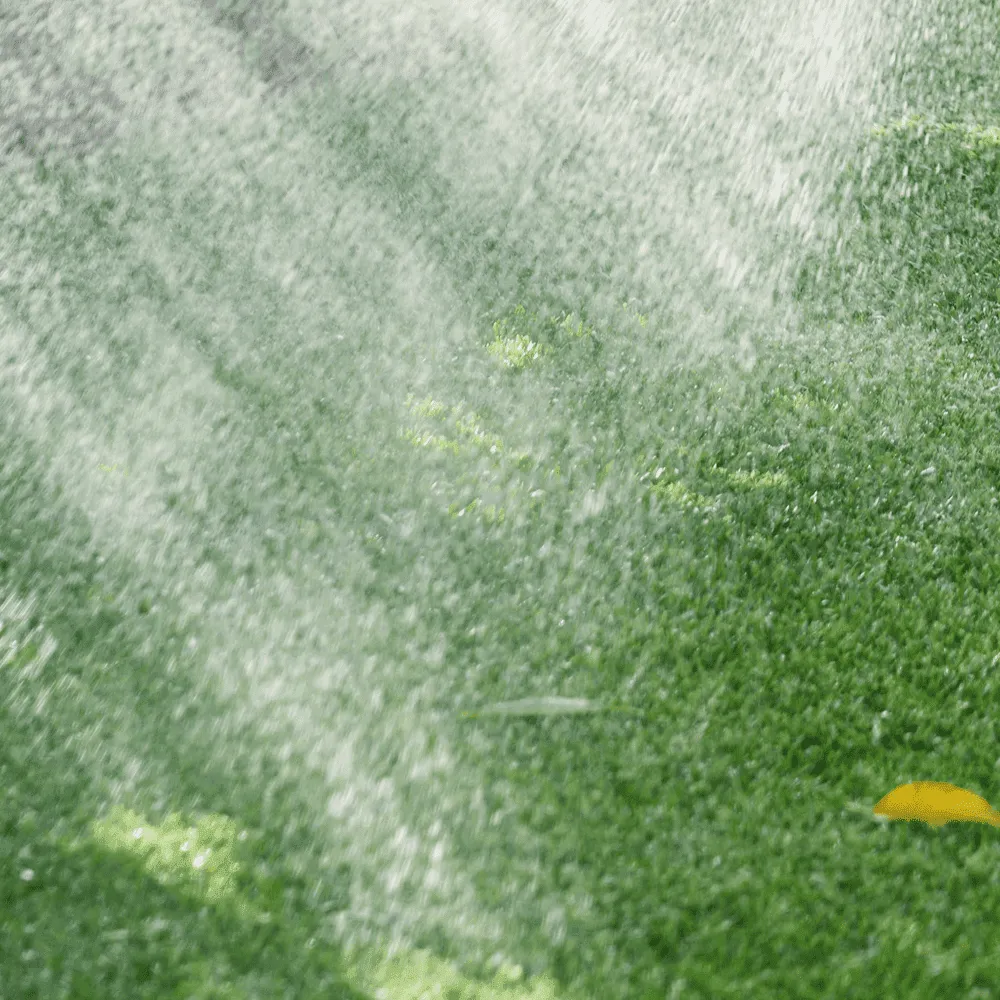
As temperatures rise and winds pick up, evaporation pulls moisture out of the top layer faster than you can replace it. On sandy or neglected soils, this dry-out can trigger hydrophobic conditions, where water beads on the surface instead of soaking in. Clay-based soils go the other way and can bake hard, closing off pores that roots rely on for oxygen.
Nutrient issues also creep in. Repeated heavy watering can leach nutrients out of very sandy mixes, while compacted clay can trap nutrients in a way that roots struggle to access. Salts can build up near the surface, adding to stress.
If your soil mix is well designed, it buffers these swings. It holds enough moisture to keep roots supplied between irrigations, lets surplus water escape without creating boggy patches, and keeps nutrients available even when the weather is punishing.
Soil Texture Basics: Sand, Silt, Clay and Loam
Texture is about the size of the mineral particles in your soil. It has a huge impact on how your lawn behaves in summer.
- Sandy soils drain very quickly and are easy to work, but they struggle to hold water and nutrients. In hot weather, they dry out fast and often become water repellent.
- Clay soils hold water and nutrients very well, but they compact easily and can stay wet for too long after heavy rain or irrigation. In heat, they crack at the surface and roots can sit in poorly aerated conditions.
- Silty soils sit in the middle, with reasonable water holding and softer structure, but they can still compact if they are not managed.
For most lawns, a sandy loam base enriched with organic matter is the sweet spot. It drains fast enough to avoid waterlogging and disease, but still holds enough moisture to keep roots supplied between watering cycles. This kind of structure is ideal when you are trying to build a lawn that can cope with Australian summer heat rather than collapsing at the first extended hot spell.
Organic Matter: The Moisture and Nutrient Sponge
If texture is the skeleton of your soil, organic matter is the soft tissue that makes it function properly.
Compost, humus and other organic materials have a strong sponge effect. They soak up water during irrigation or rain, then release it slowly back to roots. That smoothing effect is critical in summer, when you want to avoid wild swings between “saturated” and “bone dry”.
Organic matter also:
- Improves soil structure, helping sandy particles stick together in stable crumbs
- Loosens up tight clays, giving water and air better pathways
- Feeds beneficial microbes that break down nutrients into forms grass can use
When you topdress or renovate, blending quality organic material into the top 100 to 150 millimetres does more for summer resilience than almost any surface treatment. It is one of the most powerful levers in sensible Australian lawn care.
Wetting Agents, Conditioners and Smart Additives
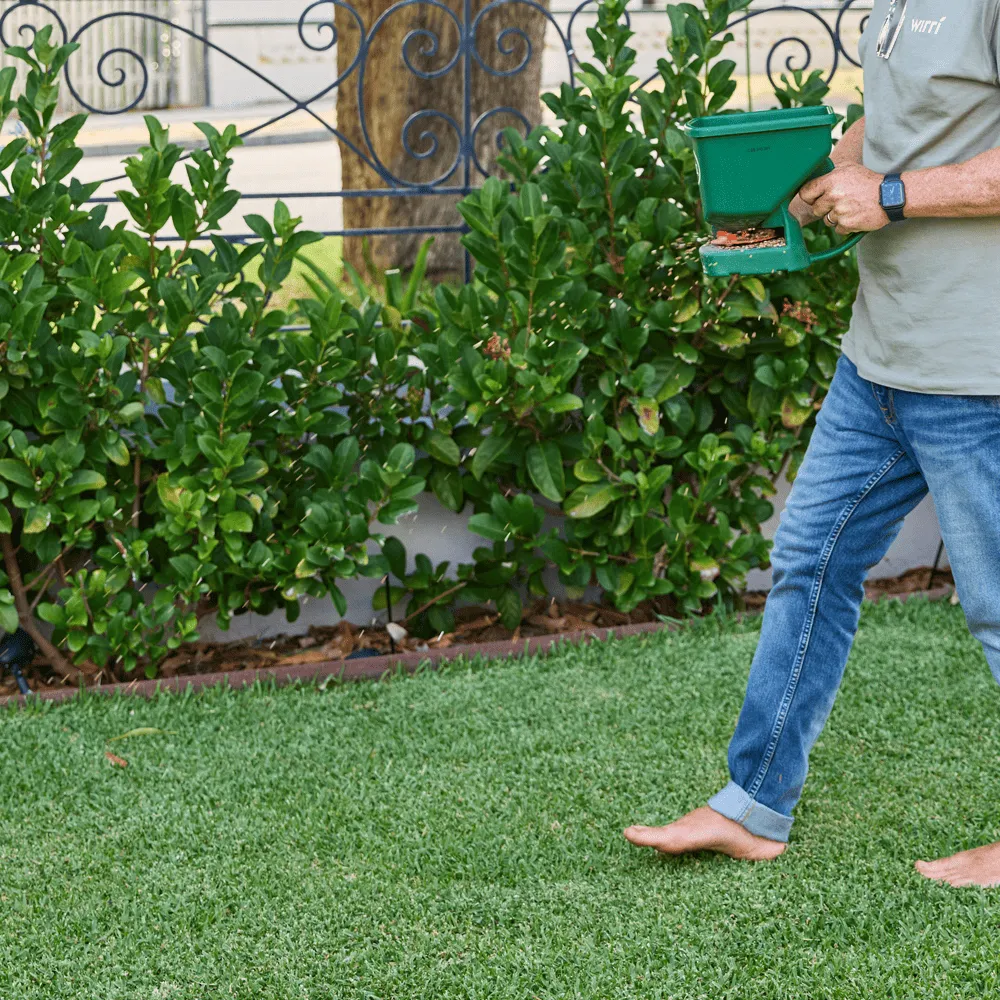
Beyond the basic mix of sand and organic matter, there are a few key products that help soil perform under summer pressure.
A good soil-focused summer program often includes:
- Wetting agents that break the waxy coating on dry, sandy particles so water can soak in again rather than running off.
- Humic and fulvic products that boost soil biology and help both water and nutrients hang around in the root zone.
- Kelp-based liquids that stimulate root growth and help lawns cope with stress from heat and drought.
- Mineral additives such as zeolite or fine clays that increase nutrient holding capacity in very sandy profiles.
- Gypsum on clay-based soils to improve structure and reduce surface crusting without pushing pH too far.
Pack-based lawn care systems often roll several of these into a simple summer “soil mix” or “summer pack”, combining wetting agents, organic carbon, kelp and a balanced fertiliser. That sort of bundle takes a lot of the guesswork out of building a resilient soil profile.
Build Better Soil, Not Just Greener Blades
If your lawn falls apart every summer, the problem is almost never just the grass. It is what sits under it. When you understand how soil composition controls water movement, nutrient holding and root health, Australian lawn care stops being guesswork and starts to feel much more predictable.