
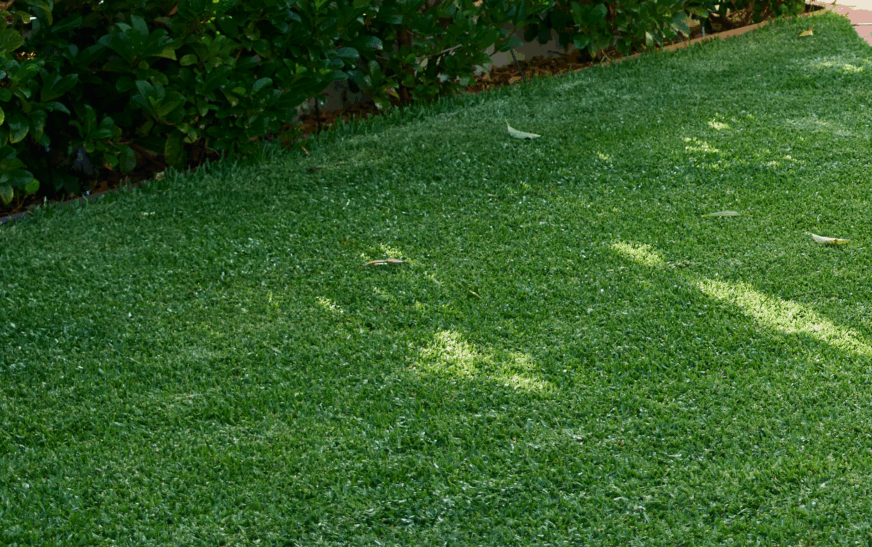
Summer pushes your lawn harder than any other season. Heat, dry spells, sudden storms, and heavy use can leave grass stressed, and stressed lawns attract the wrong kind of attention. The idea of adding “new critters” is really about improving balance, getting more of the helpful organisms that keep the system ticking along, so pests and disease have fewer chances to take over.
Good Australian lawn care is not only mowing and watering. It is also about building a lawn environment where the right insects, worms, lizards, and birds can do small jobs every day, like breaking down organic matter, aerating soil, hunting pests, and supporting plant health. You cannot control everything that shows up in your yard, but you can strongly influence what tends to stick around.
Quick Reality Check: Do You Actually Need More Critters?
Some lawns already have plenty going on, you just do not notice it until you look. Before you try to attract anything, it is worth working out whether your lawn is missing biodiversity, or whether it is already in decent shape and simply needs steadier care.
Signs your lawn is already hosting a useful mix:
- birds regularly forage on the lawn in the morning
- you see earthworms after watering or rain
- you notice ladybirds, hoverflies, or small native bees around edges
- you get the odd pest issue, but it does not explode every summer
- soil smells earthy when you lift a small patch, not sour or “dead”
Signs your lawn might benefit from a biodiversity boost:
- the lawn is quiet, no birds, no insects, nothing moving even at dusk
- the same pest problem repeats on schedule (grubs, chewing damage, patch dieback)
- soil is hard and crusty, water runs off, and roots stay shallow
- weeds take over whenever grass thins, which can indicate weak ground coverage and poor soil life
- you rely on broad chemical treatments to “reset” issues, and the issues keep returning
This is where Australian lawn care becomes less about chasing symptoms and more about improving the conditions that decide what thrives.
The Helpful Critters Worth Encouraging
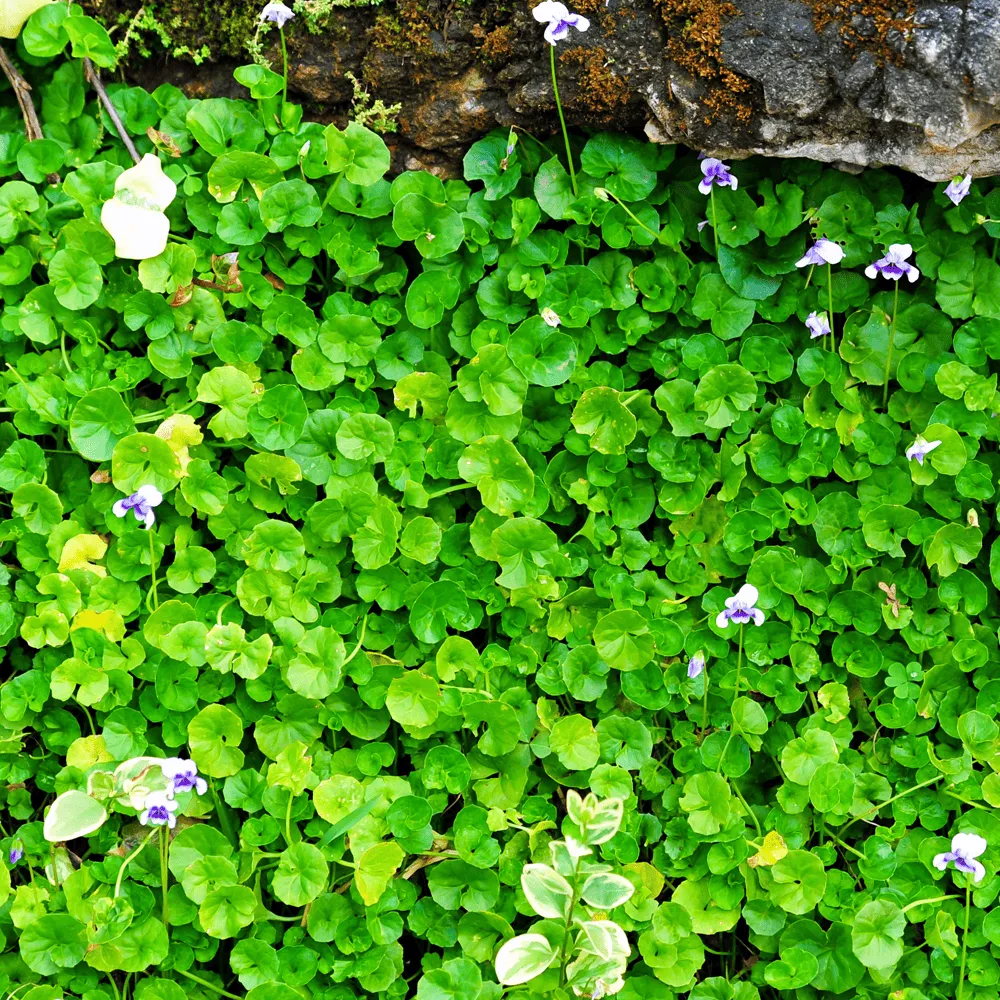
Not all critters do the same work. Some improve soil, some control pests, and some support flowering plants nearby. The best lawns usually have a mix, rather than one “magic” species.
Here are the groups that tend to help most.
Soil Builders That Improve Roots and Resilience
A lawn’s real health lives under the surface. Soil-building critters help create air gaps, move organic material, and improve moisture handling, which matters a lot in summer.
Look out for, and encourage:
- earthworms (mix and cycle organic matter, improve soil structure)
- decomposer insects (break down leaf litter and dead plant material)
- beneficial soil life (not always visible as “critters”, but supported by the same conditions)
Predators That Keep Pests in Check
You cannot stop every pest arriving. Predators help prevent small problems turning into big ones.
Common helpful predators include:
- ladybirds and lacewings (control sap-sucking pests around lawn edges and nearby plants)
- small ground beetles (hunt larvae and other insects at soil level)
- spiders (often unpopular, but genuinely useful in moderation)
- insect-eating birds (reduce surface insects and some larvae)
Pollinators That Support Your Yard’s “Whole Ecosystem”
Your lawn itself might not need pollination, but the wider yard benefits when pollinators are present. That means better performance from many garden plants, which can help create a more stable microclimate around the lawn.
Useful pollinators to encourage include:
- native bees (often small and non-aggressive)
- hoverflies (adults pollinate, larvae can be pest predators)
- butterflies and moths (part of a broader food web)
Small Reptiles and Amphibians with Real Value
In the right settings, small lizards and frogs help reduce insects. You are not “adding” them so much as making the yard more welcoming and safer for them to stay.
Encouragement tends to come from:
- safe shelter spots
- reduced chemical load
- reliable water access that does not breed mosquitoes
Critters You Do Not Want to Invite by Accident
A “more wildlife” approach can backfire if you create perfect conditions for pests. Summer is the season where those mistakes show up fast.
Critters to avoid attracting include:
- mosquitoes (standing water, clogged drains, poorly designed water features)
- rats and mice (pet food outside, open compost, dense clutter against fences)
- nuisance flies (exposed scraps, wet organic piles, poor drainage)
- aggressive stinging insects near high-traffic zones (poor placement of flowering plants and water)
- lawn grubs and chewing larvae (often a symptom of stressed turf plus limited predators)
The goal is a lawn that supports beneficial life without turning into a free buffet for pests.
Habitat Basics That Bring the Right Fauna
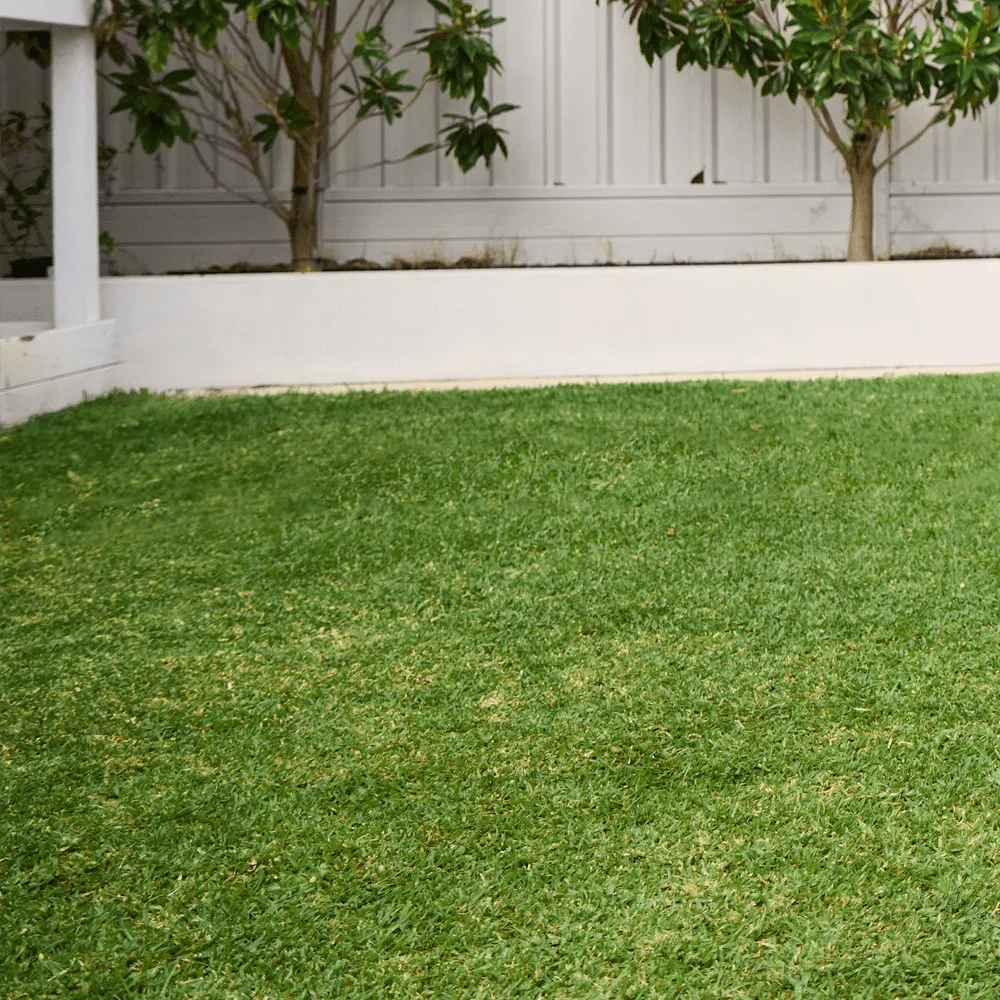
If you want more helpful critters, you need to provide three things: food, water, and shelter. You can do that without making the yard messy, and without sacrificing the space you actually use.
A practical habitat setup can include:
- A “messy edge”, not a messy lawn: keep the main lawn usable, and concentrate habitat at borders and corners.
- Layered planting near the lawn: low groundcover plus a few structured shrubs gives shelter and stable conditions.
- A small, shallow water source: something easy to clean and refill, placed away from doors and entertaining areas.
It is also smart to avoid placing shelter pockets hard up against the house. Keep them a little separated so you support useful critters without encouraging unwanted visitors near entry points.
Water in Summer Without Creating a Mozzie Problem
Water is the fastest way to change what shows up in your yard. It can attract birds and beneficial insects, or it can turn into a mosquito factory if you are not careful.
A good summer approach focuses on moving water, not storing it.
Practical water habits that support the right critters:
- refresh water dishes every day or two, especially in hot spells
- keep containers shallow and easy to scrub
- avoid leaving buckets, tarps, toys, pot saucers, or blocked gutters holding water
- water the lawn in a way that supports deeper roots, rather than daily light sprinkles
If you use a bird bath or shallow dish, pick something stable, easy to clean, and not prone to cracking. A simple aluminium bowl can work well for this, as long as it is positioned safely, kept out of full sun where possible, and cleaned regularly.
Food Sources That Do Not Turn into Pest Magnets
“Food for critters” does not mean leaving scraps out. In a lawn context, the best food sources are natural, low-risk, and tied to plants and soil.
The safest food-source strategies include:
- adding flowering plants at edges to support pollinators
- letting a small section of edge planting flower briefly, then trimming back
- leaving a light layer of mulch in garden beds (not on the turf) to support decomposers
- keeping grass dense and healthy so pests have fewer openings to exploit
Avoid feeding wildlife directly if it leads to dependency or brings rodents. If you want more birds, habitat and water usually do more than seed scattered on the ground.
Final Thoughts
If your lawn feels like it is always under attack in summer, it may not need “new critters” so much as better conditions for the right ones to stick around. Start by removing pest triggers, then add small, controllable habitat features at the edges: clean water, tidy shelter, and planting that supports pollinators and predators.