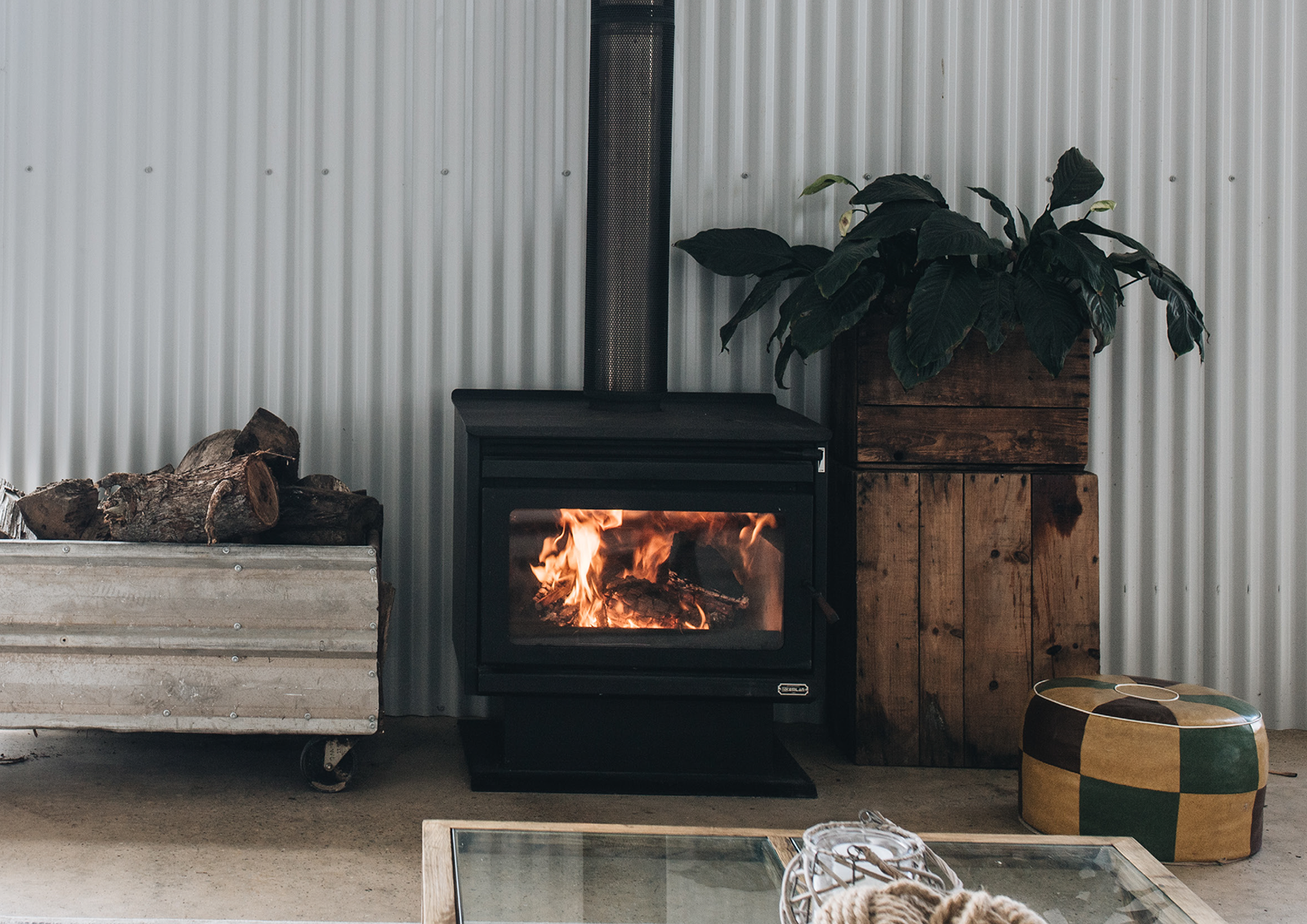

When the weather warms up, the fireplace tends to fade into the background. That is exactly why end-of-season care matters. A little fireplace cleaning now prevents stale odours, stubborn soot marks, hidden airflow issues, and the kind of wear that quietly builds up while nobody is looking. It also makes the first cold night next season a simple switch-on or light-up, not a messy scramble.
What Builds Up After a Full Season of Use
A fireplace is basically a controlled mess. Even the best setups leave behind ash, soot, dust, and residue that settles in corners, seams, and surfaces you do not notice day to day. Over time, that build-up can affect how the unit looks, how it drafts, and how it holds up through the warmer months.
Across the season, you can expect a mix of:
- Fine ash that drifts into the room and settles into soft furnishings
- Soot staining around the firebox opening and on nearby masonry
- Creosote and residue in flue pathways for wood-burning units
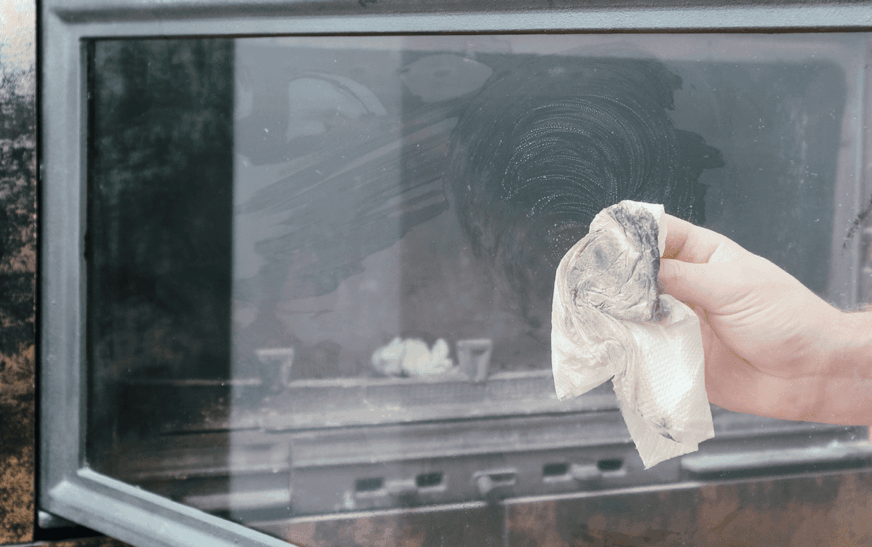
- Dust and film on glass panels, trims, and surrounds (including metal finishes)
- Small shifts in components, like baffles, firebricks, door seals, or gas log placement
End-of-season fireplace care is about removing what should not sit there for months, and spotting what should not be ignored until next winter.

The Real Cost of Leaving It “Until Later”
Putting off fireplace care usually creates two problems: grime that hardens, and issues that hide. Ash and soot left sitting in a firebox can be surprisingly corrosive, and dust does not stay neatly contained to the hearth area.
Here is what tends to happen when you skip it:
- Ash and soot keep shedding dust, so the room never feels properly “clean”
- Odours linger, especially after rain or humid days
- Corrosion risk increases for metal fireboxes, fixings, and internal components
- Glass gets harder to restore if baked-on residue is left too long
- Airflow can be compromised by debris, nests, or damaged mesh guards
- Next season’s start-up becomes more stressful, and often more expensive
This is why fireplace cleaning at season’s end is less about aesthetics and more about prevention.
A Practical End-of-Season Timeline That Actually Works
A good routine is one you will realistically do. The simplest approach is to split tasks into a same-week clean, then a quick follow-up check. It keeps the job manageable and reduces the chance you spread ash dust through the room.
A practical rhythm looks like this:
- A clean-out and wipe-down within 7 to 14 days of your last fire
- A deeper detail clean once all dust has settled (often a week later)
- A vent and external termination check before winter storage habits set in
If you book professional support (like a flue inspection or a gas service), doing it in the off-season usually means less urgency and more choice of appointment times.
What To DIY and What to Hand Over
A solid DIY clean is often enough for the visible parts of fireplace care. The decision point is usually safety, access, and anything that could affect combustion and venting. DIY cleaning is useful for presentation and day-to-day upkeep, but it does not replace a proper service, particularly for gas fires.
DIY is usually suitable for:
- Firebox ash removal and internal wipe-down (wood units)
- Basic soot clean on visible surfaces
- Glass cleaning and surrounding area refresh
- Visual checks of bricks, seals, handles, and trims
Professional support is worth it when you have:
- A chimney that needs sweeping, especially after heavy use
- Any smoke spillage, persistent soot, or unexplained odours
- Roof access requirements or high terminations
- Cracked components, damaged seals, or suspected venting issues
- A gas unit that is due for its annual service, or has flame changes, soot build-up, or uncertain log placement
If your unit is under warranty, it is also smart to use appropriately qualified technicians and follow the maintenance expectations set for your model. It can save headaches later if a repair or replacement ever comes up.

A Room Reset Makes the Cleaning Feel Done
Once the heater itself is cleaned, the surrounding space is where the result really shows. Ash dust and soot particles often land on nearby shelves, mantels, rugs, and soft furnishings, and they can sit there quietly until someone stirs them up.
Finish with a quick reset:
- Vacuum and mop around the hearth, including edges and corners
- Dust the mantel and nearby surfaces, then wipe tools and screens
- Wash or vacuum soft furnishings that sit close to the fireplace zone
- Store wood, kindling, and fire starters neatly so the area looks intentional
- Consider a simple seasonal styling change so the fireplace reads as a feature, not a worksite
This is also where you notice whether your fireplace cleaning was thorough, because dust and smell issues tend to show up in the room first.
Closing Thoughts
End-of-season care is one of those small jobs that pays you back twice. You get a cleaner, fresher living space through the warmer months, and you reduce the risk of nasty surprises when winter returns. Good fireplace cleaning removes corrosive ash and residue, keeps finishes in better condition, and helps you spot wear early while it is still easy to deal with. Pair that with sensible flue checks and the right approach to gas servicing, and next season’s first fire feels like comfort, not a chore.