Buying a fireplace is one of those decisions that feels simple until you start comparing options. The photos look great, the flames look convincing, and suddenly you are weighing up heat output, fuel types, wall layouts, and installation details you have never thought about before.
If you want fewer surprises while buying a fireplace, focus on what your room needs first, then match the fireplace to the job, not the other way around.
Start with the Job the Fireplace Needs to Do
Before you fall in love with a particular look, decide what “good” means in your home. Some people want serious warmth for winter nights, others want a feature that takes the edge off, and plenty want both in the same unit.
If you are not sure how to define the job, these prompts make it easier:
- Is this your main heat source for the room, or a secondary boost?
- Will it run daily, weekends only, or just occasionally?
- Do you want fast heat (quick warm-up), steady heat (long burn), or mostly ambience?
- Are you trying to heat one room with doors, or an open-plan area that leaks warmth into everything else?
- Do you want to warm where people sit, or make the whole space feel even?
Answer those honestly and your shortlist gets tighter fast.
Measure the Space, Then Think in Heat Zones
Room size matters, but it is only the start. The same floor area can behave like two different rooms depending on ceiling height, draughts, and how open the layout is.
A simple approach is to pick your “comfort zone” first, then decide if you want heat to spread beyond it. For example, you might aim to make the lounge seating area properly warm, then use airflow (ceiling fans on low in winter mode, or just smart placement) to share warmth gently.
To keep it practical, check these real-world factors:
- Ceiling height, especially raked or vaulted ceilings
- Big glass areas that cool down at night
- Open hallways or adjoining dining areas that draw heat away
- Insulation and sealing (old timber floors and gaps change the game)
- Where people actually sit and how the furniture is arranged
This is also where placement starts to matter. A fireplace tucked into a corner might look neat, but it can push heat in a direction that does not suit how the room is used.
Understand Heat Output Without Getting Lost in Numbers
You will see heat output listed in different ways depending on fuel type and model. It is tempting to treat the biggest number as the safest choice, but oversizing can be a pain in real life. An oversized unit can run too hot for the space, leading to constant tweaking rather than comfortable set-and-forget use.
A more useful mindset is “right-sized for how we live”. Start with the manufacturer’s room guidance, then adjust based on the room’s behaviour.
Here is a quick way to sanity-check sizing before you commit:
- If ceilings are high, treat the room as larger than the floor area suggests.
- If the home is older or draughty, treat the room as larger.
- If it is well-insulated and well-sealed, you can often size closer to the lower end.
- If it is open-plan, decide whether you are heating the whole footprint or just the main living zone.
When buying a fireplace, the best result is usually the unit that performs well in your specific room, not the one that wins on paper.

Choose a Fuel Type That Matches Your Routine
Fuel choice is where comfort, convenience, running costs, and installation needs all meet. There is no universal “best”, only what fits your home and habits.
Wood Fireplaces
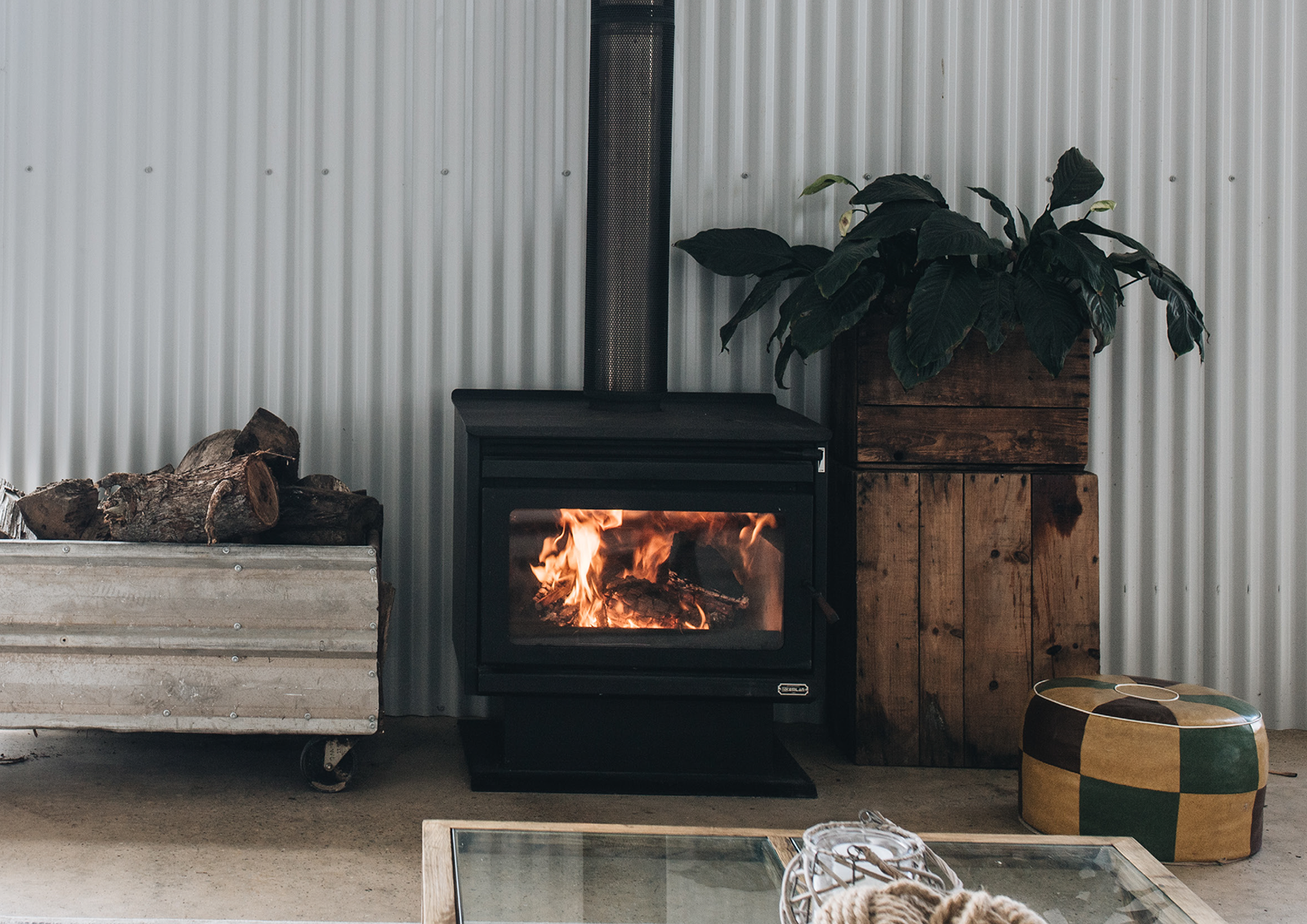
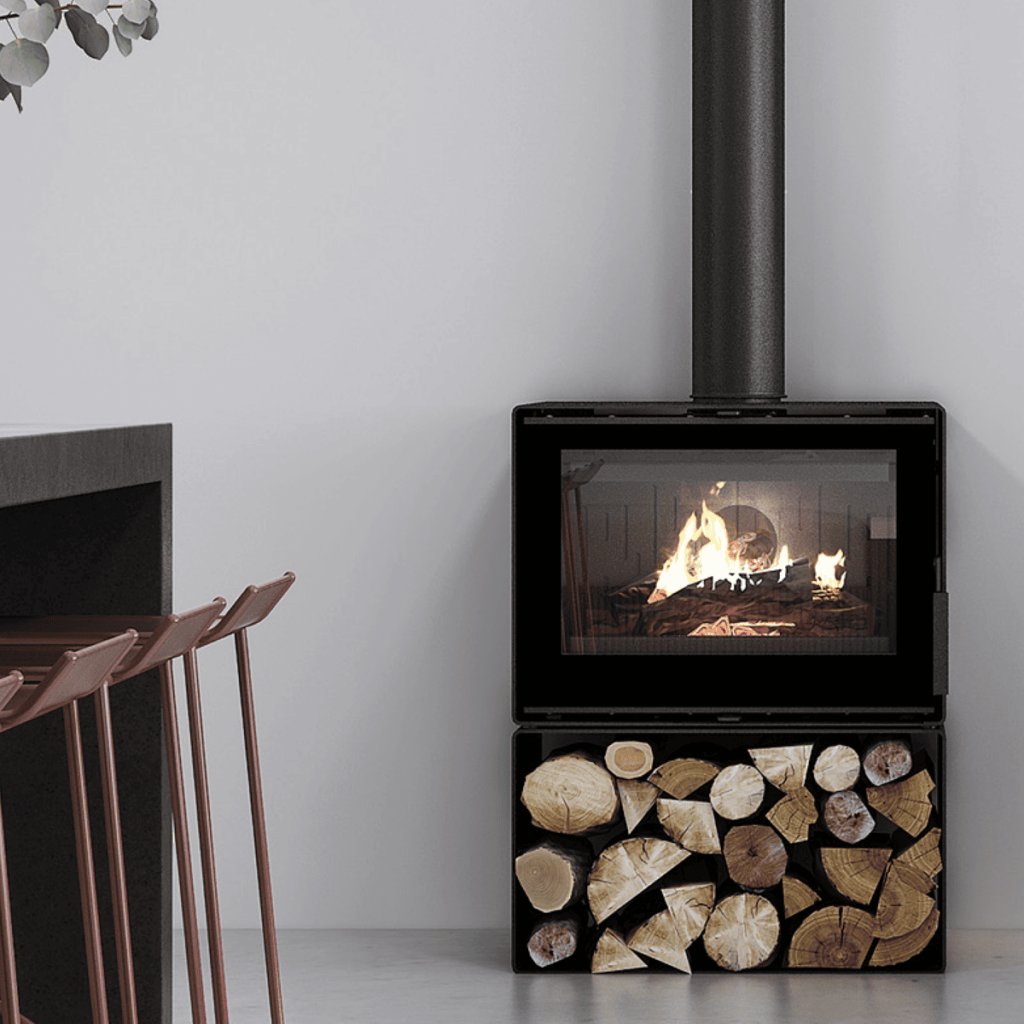
Wood tends to suit people who enjoy the process and want strong, steady warmth over longer periods. It can be a great option when you want that traditional feel and you have the space and willingness to manage the practical side of it.
Gas Fireplaces
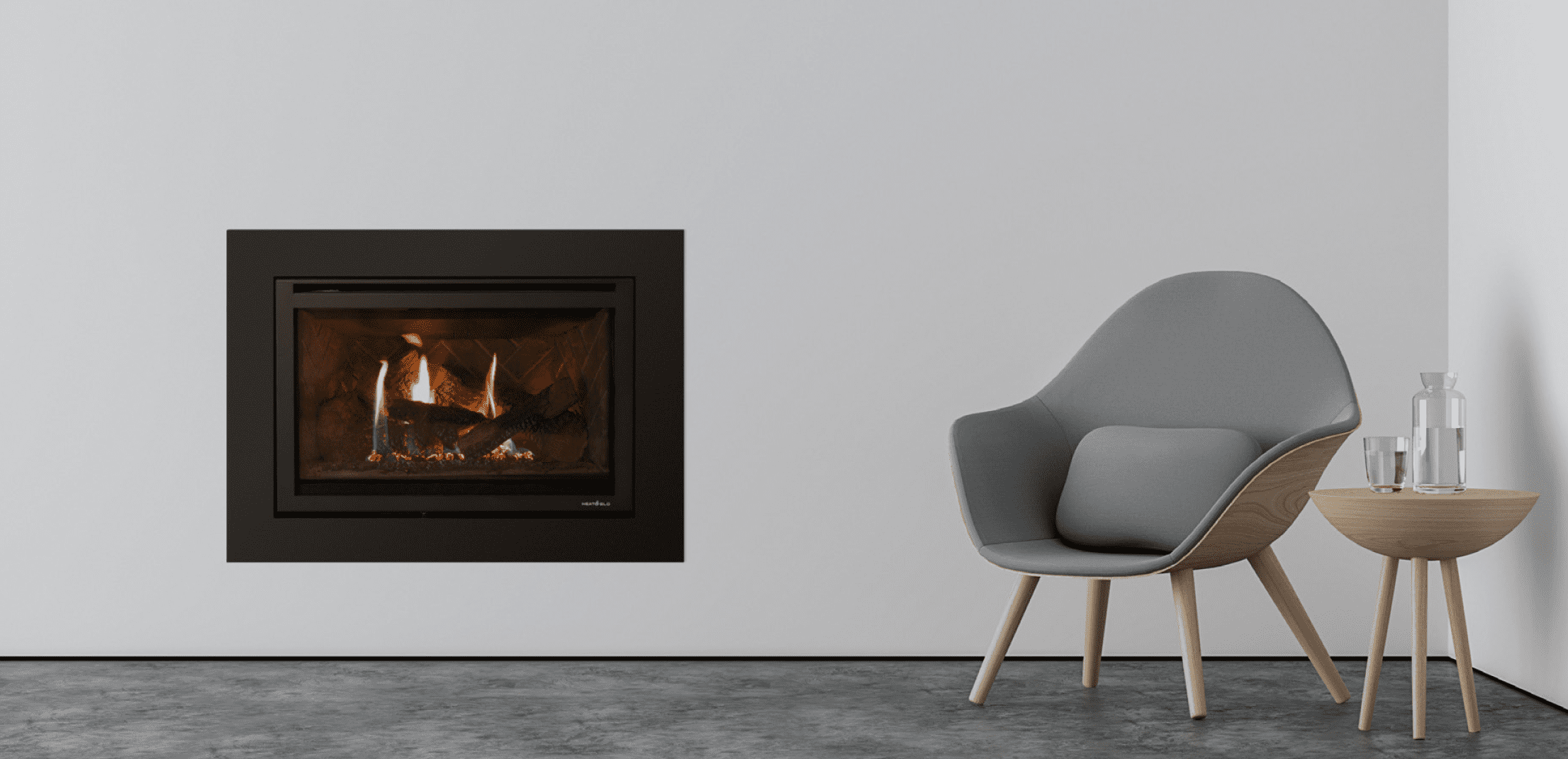
Gas is often chosen for control and convenience. It can deliver heat quickly and allow you to adjust settings easily, which is handy for busy households and changeable weather.
Electric Fireplaces
Electric fireplaces can be very appealing for feature walls, apartments, and spaces where you want minimal installation work. Many people choose electric for the look and the simplicity.
Biofuel and Decorative Flames
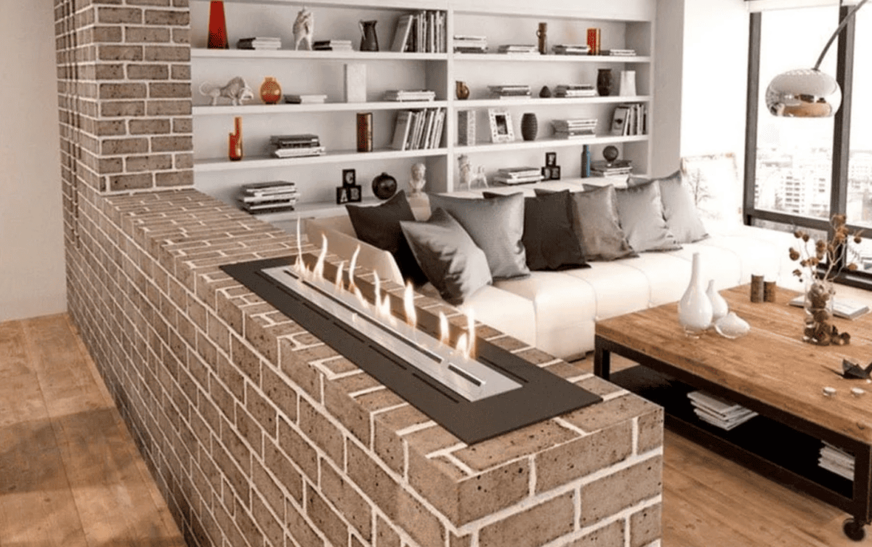
Biofuel and other decorative options can deliver an impressive flame effect and design flexibility. Some models are mainly about the look rather than meaningful heat output.
Closing Thoughts
The best fireplace choices are usually the ones made from the room outward: define the job, size it for real conditions, pick the fuel that fits your routine, and plan installation early so the budget stays grounded. If you keep those priorities front and centre while buying a fireplace, you will end up with something that looks right, works well, and gets used the way you intended.