
Most operators reckon proper pre-winter lawn care dictates how a yard performs come spring. The transitional autumn period determines whether turf survives the frost. A common mistake involves treating autumn like a second spring. The physiological requirements of the plant change entirely as days get shorter.
What Exactly Is a Pre-Winter Lawn Inspection?
A pre-winter lawn inspection represents a systematic diagnostic process evaluating soil health, moisture retention, weed presence, and root depth before dormancy. The goal involves identifying specific vulnerabilities before the soil temperature drops too low. This allows time for corrective mechanical or organic treatments.
- Using a soil probe reveals subterranean compaction layers that restrict water movement.
- Careful visual disease mapping identifies early fungal outbreaks like winter fusarium.
- Performing strict irrigation audits ensures water delivery matches the reduced evaporation rates.
Why Assess Soil Compaction Before the Cold Hits?
Assessing soil compaction before the cold hits prevents severe waterlogging and root rot during heavy winter rain. Hard, compacted dirt stops water from draining freely through the soil profile. This creates an anaerobic environment where turf roots suffocate. Heavy clay soils are highly vulnerable to this exact issue.
Trade standard penetrometer tests provide exact resistance measurements in the topsoil profile. A simple screwdriver test offers a quick gauge of ground hardness across high-traffic zones. Extracting core samples pulls up physical plugs to show exactly where the compaction layer sits.
If the ground stays rock hard, surface water just pools endlessly. The turf roots never get a proper crack at taking up necessary organic nutrients. Correcting this requires mechanical aeration while the grass is still actively growing. The aeration holes need time to heal before frost arrives.
How Are Winter Weeds Managed Without Harsh Chemicals?
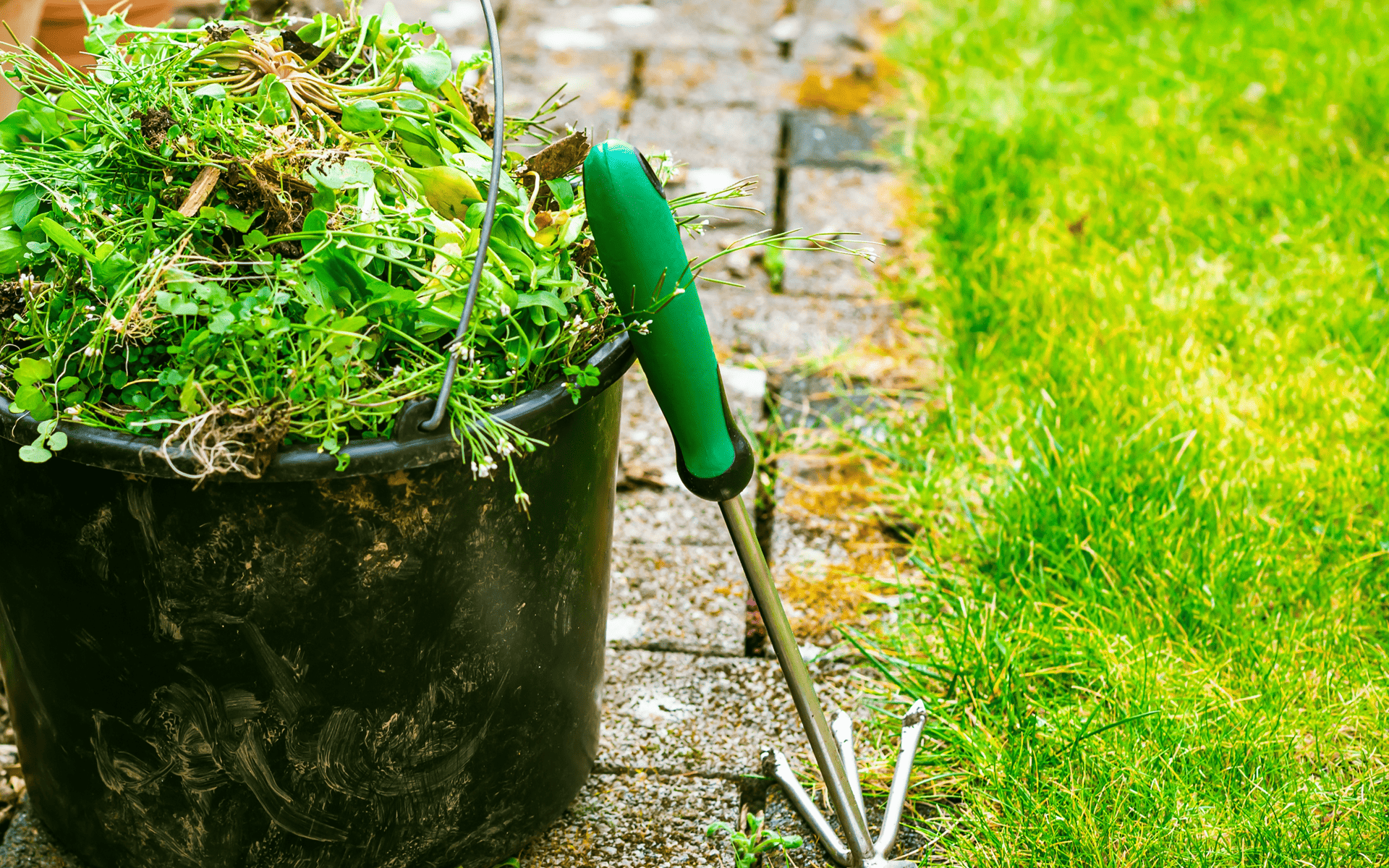
Winter weed germination relies on bare soil exposure and dropping temperatures, making early canopy management the best organic defence. Winter grass usually begins germinating when the soil temperature drops below 14 degrees Celsius. Identifying these early signs dictates the entire mechanical weed management timeline. Chemical pre-emergents damage the broader soil biome.
- Specialised soil thermometers placed at a 50-millimetre depth track the exact temperature drop.
- Close canopy inspections target bare patches where sunlight reaches the soil directly.
- Reviewing historical weed mapping dictates where mechanical removal or over-sowing remains necessary.
What Role Does Thatch Play During the Colder Months?
Excessive thatch acts like a wet sponge during colder months, promoting aggressive fungal diseases in damp conditions. A healthy lawn handles about 10 millimetres of thatch without an issue. Anything thicker than that restricts oxygen flow to the root system. During consistent winter rain, excessive thatch simply won’t dry out.
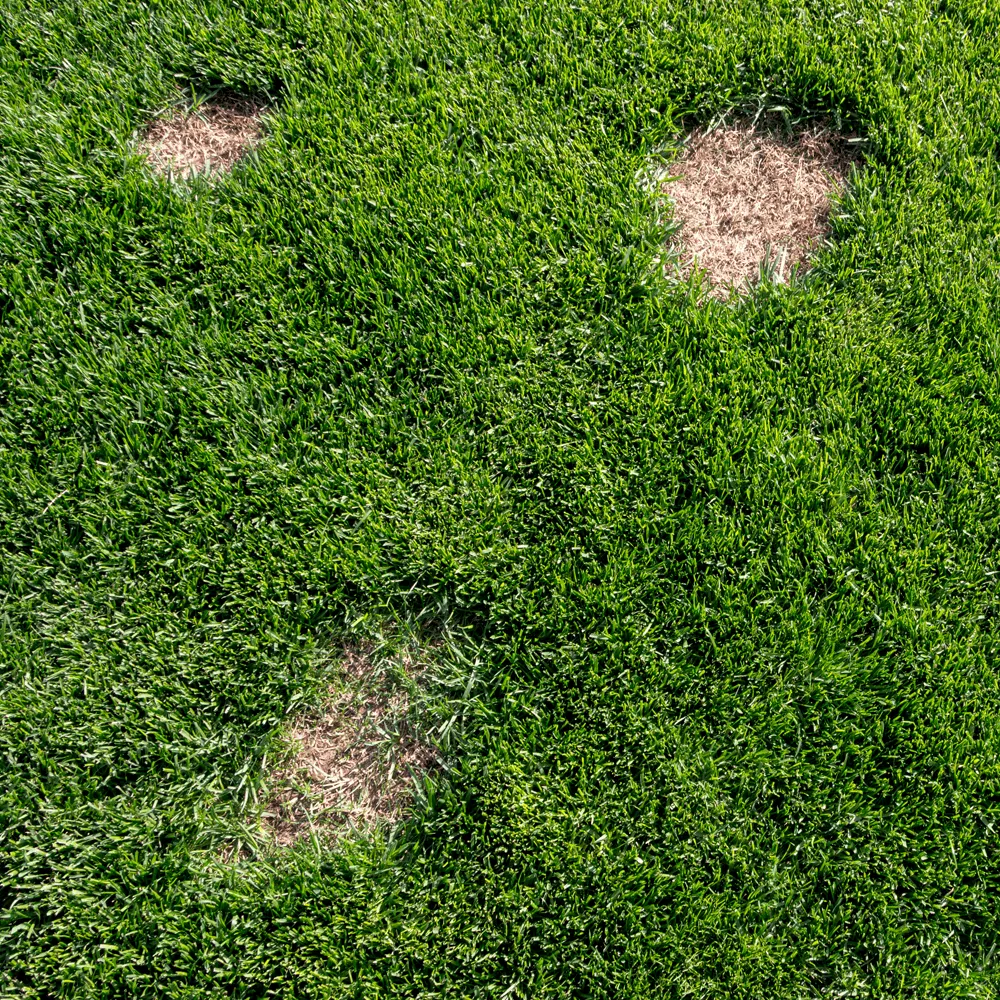
The grass ends up sitting in cold, damp conditions for weeks on end. This environment creates perfect conditions for pathogens like brown patch. The inspection involves cutting a small triangular wedge out of the lawn. Measuring the brown layer between the soil and green leaves tells the full story.
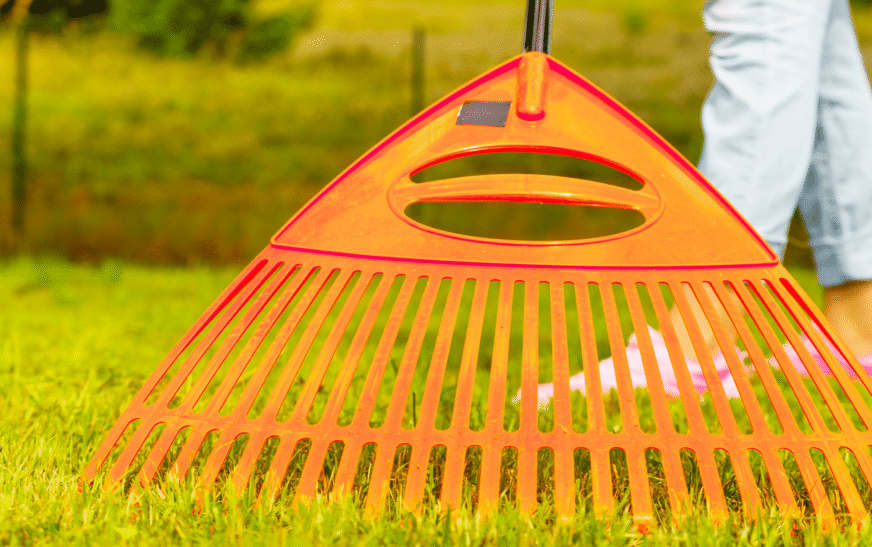
If it’s thicker than 15 millimetres, the lawn requires immediate attention. Scarifying or verti-mowing removes this material rapidly. This aggressive mechanical work must happen early in autumn. The turf needs enough warm weather left to recover fully.
How Does Shade Impact the Turf Canopy in Autumn?
Shade restricts the photosynthesis process in autumn, causing the turf canopy to thin out and lose its structural density. As the sun moves lower in the sky, adjacent buildings and trees cast significantly longer shadows. Turf varieties like Couch or Kikuyu demand full sunlight to thrive. When light exposure drops below six hours a day, the plant thins rapidly.
An autumn turf inspection identifies these newly shaded zones across the property. Trade professionals closely examine the canopy density in these specific areas. If the grass blades look elongated and weak, the plant is stretching desperately for light.
Addressing this involves raising the mowing height specifically in shaded areas. Longer leaf blades provide a larger surface area for capturing whatever sunlight remains available. Sometimes, aggressively pruning overhanging tree branches provides the easiest fix. The goal involves maximising light exposure before the shortest days arrive.
Why Are Soil Acidity Levels Checked Before Dormancy?
Soil acidity levels dictate the chemical availability of macronutrients required for natural winter hardiness. The ideal pH range for most Australian lawns sits between 6.0 and 7.0. Outside this window, essential organic nutrients get locked up in the soil chemistry.
A pH test uses a simple field kit with indicator dye and barium sulphate powder. This immediate colour reaction provides a highly accurate baseline in minutes. If the soil reads too acidic, the turf can’t process the nutrients required for frost resistance. Correcting acidic soil requires a calculated application of natural agricultural lime.
Frequently Asked Questions
How late in autumn can organic fertiliser be applied?
Organic fertiliser applications should cease roughly four weeks before the first expected frost. Applying nutrients too late wastes money because the dormant turf can’t absorb them. The soil microbes also need warm soil to break down the organic matter properly.
What happens if compaction isn’t fixed before winter?
Unresolved soil compaction leads to severe drainage failures during heavy winter rainfall. The stagnant water drowns the turf roots and promotes highly destructive root rot diseases. Attempting mechanical repairs mid-winter usually destroys the dormant lawn structure completely.
Why is winter grass considered a major problem?
Winter grass produces thousands of viable seeds that quickly dominate a dormant lawn. It outcompetes the desirable turf for limited nutrients and sunlight during the colder months. Once the weather warms up, it dies off and leaves massive bare patches behind.
Wrap-Up
Skipping a detailed pre-winter lawn inspection guarantees a rough start to spring. The transition period demands a proactive approach to soil chemistry, compaction, and weed management. Trade professionals know that winter survival depends entirely on accurate autumn preparation.